
Internet and mobile-communication technologies have reshaped the ecology of news production and consumption. Mainstream media organizations that were historically organized around newspapers, radio, and television now operate within platform environments characterized by continuous publication, mobile access, algorithmic distribution, multimedia formats, and direct audience feedback. Media convergence therefore involves more than the digitization of an existing product. It changes production workflows, the organization of editorial labor, the relationship between media institutions and platforms, the volume and speed of content, and the ways in which audiences encounter and respond to news [1], [2].
In China, media convergence has developed within a distinctive institutional context. The state strategy on media convergence became especially visible after 2014, and the transformation of established media has since involved organizational restructuring, mobile-first distribution, platform construction, and closer integration between central and local communication systems [3]. Short-video platforms have become particularly important because they combine high-frequency mobile consumption with visual storytelling, social interaction, recommendation systems, and a low threshold for circulation. Studies of People’s Daily, China Daily, CCTV News, and other Chinese news organizations on Douyin demonstrate that mainstream media have increasingly adapted news production to short-form video and platform-specific audience behavior [4]–[6].
This shift creates both opportunities and tensions. Short video can broaden distribution, increase emotional immediacy, support rapid reporting, and attract younger audiences. At the same time, platform logic rewards speed, visibility, repetition, personalization, and engagement, which may conflict with verification, contextual depth, and the formal discourse traditionally associated with mainstream news. The challenge is therefore not simply to become more entertaining. Mainstream media must learn how to translate institutional authority into forms of communication that remain credible while also becoming intelligible, shareable, visually effective, and responsive to audience practices.
The present study addresses this challenge through an integrated framework combining communication theory, organizational knowledge conversion, and computational text analysis. Lasswell’s classic formulation—“Who says what in which channel to whom with what effect?”—provides a useful structure for examining communicator, message, platform, audience, and communication outcome [7]. Although the model is linear and cannot by itself capture all forms of interactive platform communication, it remains useful for decomposing a communication strategy into analytically distinct dimensions.
The second component is the SECI model. Importantly, SECI was not developed by Google or as a word-vector model. It originates in Nonaka’s theory of organizational knowledge creation and describes four modes of knowledge conversion: socialization, externalization, combination, and internalization [8], [9]. In this study, SECI is adapted to mainstream-media transformation. Socialization concerns the circulation of tacit editorial experience within teams; externalization refers to articulating that experience as explicit production principles; combination concerns integrating explicit editorial knowledge with audience data, platform metrics, and digital-publishing resources; and internalization concerns embedding the resulting knowledge into new newsroom routines and professional skills.
The third component is computational. Digital publishing produces large volumes of textual and behavioral data that can assist topic discovery, content comparison, public-opinion analysis, and editorial decision-making. The study therefore incorporates established information-retrieval and natural-language-processing methods rather than treating them as part of the SECI theory itself. TF–IDF provides a classical term-weighting mechanism [10]; Word2Vec provides CBOW and Skip-gram approaches to distributed word representation [11]; GloVe models global co-occurrence statistics [12]; and the Transformer architecture provides attention-based contextual representation [13]. These methods form a computational support layer for the broader communication framework.
The research focuses on three questions. First, how can the SECI model be meaningfully adapted to the organizational transformation of mainstream media without conflating knowledge-management theory with machine-learning models? Second, how can established text-analysis methods support digital-publishing decisions, topic selection, and content organization? Third, what communication strategies emerge when the 5W communication perspective, newsroom knowledge conversion, platform characteristics, and case evidence from Chinese mainstream-media short-video practice are considered together?
The study contributes by clarifying the theoretical boundaries among these frameworks and by developing an integrated strategy that emphasizes original content, audience orientation, professional verification, brand continuity, and data-assisted editorial learning. It also retains a critical distinction between descriptive evidence and effectiveness claims. The available case materials can show distributions, workflow relationships, and strategic patterns, but they do not constitute a controlled experiment capable of proving that one communication strategy causes higher influence or engagement.
Media convergence has altered the economics and organization of content production. Doyle shows that multi-platform strategies enable media firms to distribute content across multiple channels but also reshape managerial decisions, production volume, and resource allocation [1]. Plantin and Punathambekar argue that digital platforms increasingly function as infrastructures, making platform dependence a central issue for contemporary media organizations [2]. These perspectives are important for mainstream media because convergence requires simultaneous control over editorial identity and adaptation to infrastructures whose technical and economic rules are not fully controlled by news organizations.
The Chinese context adds institutional and political dimensions to this process. Lu traces the relationship between new-media development and China’s media-convergence strategy and emphasizes that convergence cannot be understood as technological modernization alone [3]. Organizational leadership, political communication objectives, platform governance, and public communication practices all influence how convergence develops. The result is a hybrid environment in which established media institutions seek new forms of visibility while retaining institutional authority.
Short-video platforms intensify this hybridization. Research on Douyin shows that Chinese mainstream media use short video for breaking news, public-information communication, visual persuasion, emotional storytelling, and audience engagement. Pan, Sannusi, and Mustaffa compared the Douyin accounts of People’s Daily and China Daily and found differences in reporting content, tone, and engagement while confirming the importance of the platform for mainstream news communication [4]. Zhao and Zhang analyzed 2,852 short videos from central and local news agencies and demonstrated substantial differences in thematic focus, visual motifs, and emotional strategy [5]. Wang similarly examined CCTV News on Douyin and identified short video as an increasingly important channel of news dissemination [6].
These studies support a shift from simple content transplantation to platform-native communication. Television packages cannot always be transferred effectively to short-video platforms without adaptation. Mobile users encounter news through vertical screens, recommendation feeds, comments, shares, and short attention windows. The platform therefore influences narrative length, opening structure, visual density, captioning, pacing, and interaction design. This logic is consistent with research on news organizations adapting to TikTok-like platforms, where journalistic content is increasingly shaped by platform conventions without entirely abandoning professional norms [14].
Douyin and TikTok illustrate the broader platformization of short video. Kaye, Chen, and Zeng describe the parallel development of Douyin and TikTok as a process of platformization in which technical architecture, markets, governance, and cultural use co-evolve [15]. For mainstream media, this means that communication strategy cannot be reduced to the production of isolated videos. It must consider the logic of recommendation, account identity, repeat posting, audience feedback, cross-platform circulation, and the relationship between professional media and platform-native creators.
User orientation is therefore necessary but should not be interpreted as unconditional accommodation to entertainment preferences. Mainstream media possess institutional resources that distinguish them from commercial creators: professional reporting networks, access to official information, verification capacity, editorial accountability, and established brand authority. The strategic problem is how to make these resources visible and useful within short-video environments. Audience orientation should concern clarity, relevance, responsiveness, and narrative accessibility while maintaining verification and public-service responsibility.
The case evidence in recent scholarship suggests that visual and emotional storytelling are central to this adaptation. Zhao and Zhang show that central and local Chinese news agencies adopt different emotional and visual strategies on Douyin [5]. This finding supports a differentiated approach rather than a single formula for all mainstream media. A central national outlet, a provincial media organization, and a city-level account may require different mixtures of authority, locality, human-interest storytelling, and service information.
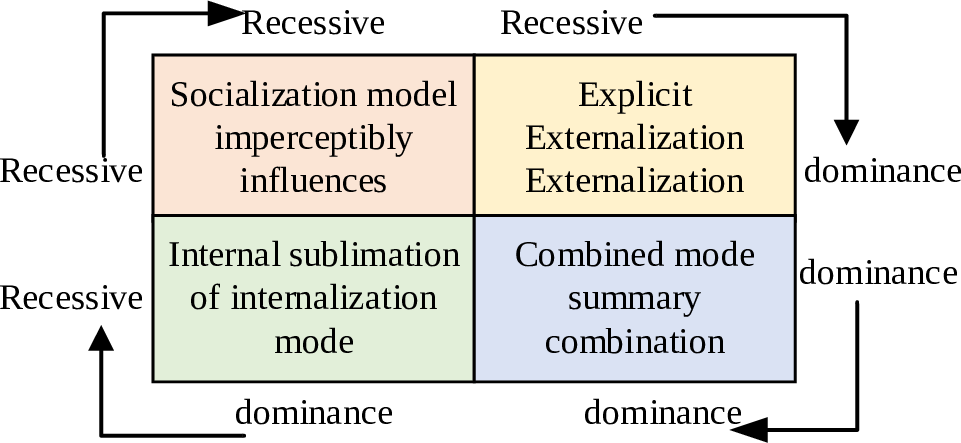
Digital publishing also changes editorial knowledge. In a traditional workflow, important production knowledge may remain tacit: experienced editors know how to select angles, structure headlines, assess risk, and interpret audience response, but these practices are not always formalized. Nonaka’s SECI model provides a useful lens for understanding how such experience can become organizational knowledge [8]. Socialization allows practitioners to learn from one another; externalization translates experience into concepts, guidelines, and templates; combination integrates explicit knowledge from multiple sources; and internalization converts these resources into individual and collective routines.
Applied to mainstream media, SECI helps explain why technology investment alone does not guarantee successful convergence. New tools create value only when newsrooms learn how to incorporate them into professional practice. For example, platform analytics may remain underused if editors do not understand how to interpret them. Conversely, excessive reliance on metrics may distort editorial priorities if professional judgment is not retained. Combination should therefore join data with editorial standards rather than replace editorial judgment.
Figure 1 summarizes the adapted SECI framework used in this study. The figure is treated as an organizational knowledge-conversion model rather than a machine-learning architecture.
The computational layer begins with term weighting. TF–IDF estimates the importance of a term relative to a document collection by balancing within-document frequency against collection-wide rarity. Salton and Buckley’s work remains a foundational reference for automatic term weighting [10]. In this study, inverse document frequency for term \(t_i\) is expressed as
Language modeling and word representation provide a second level of analysis. The chain rule factorizes the probability of a sequence as
A Markov or fixed-context approximation can then restrict the conditioning history for practical modeling. Word2Vec introduced efficient CBOW and Skip-gram architectures for learning distributed word representations from large corpora [11]. A generic context-prediction objective can be written as
while the Skip-gram objective predicts surrounding words from a center word:
GloVe provides a complementary approach based on global word co-occurrence statistics [12]. Its log-bilinear relationship can be represented as
with a weighted least-squares objective
These computational methods are analytically distinct from SECI. Their role is to support explicit knowledge combination by helping editors organize textual evidence, identify salient terms, compare documents, and discover patterns in large corpora. The conceptual link is therefore functional: NLP generates explicit analytical resources that can be incorporated into newsroom knowledge, while SECI explains how such resources may be integrated into organizational practice.
The adapted SECI framework contains four stages. In the socialization stage, editors, journalists, video producers, designers, and platform operators share tacit experience through observation, collaboration, and joint production. This stage is important because much platform knowledge is initially practical: teams learn which opening structures retain attention, which visual conventions confuse users, and which topics require additional contextualization.
Externalization converts this experience into explicit rules and concepts. Examples include editorial checklists for short video, headline and caption conventions, verification protocols, narrative templates, platform-specific production guides, and criteria for deciding when television material should be re-edited rather than directly reposted. Externalization reduces dependence on individual memory and makes successful practices transferable across teams.
Combination integrates these explicit resources with other forms of knowledge. Audience data, platform metrics, topic trends, content archives, text-analysis results, brand guidelines, and professional standards can be brought together in dashboards or editorial systems. The computational methods described above are located mainly at this stage because they transform large textual collections into explicit representations that can support comparison and decision-making.
Internalization occurs when these combined resources become routine professional competence. Editors no longer consult every rule mechanically; they develop new tacit judgment about short-video pacing, audience interaction, mobile visual design, and data-assisted topic selection. The cycle can then begin again as newly acquired experience is shared with colleagues. Figure 2 presents this cyclical interpretation.
The manuscript’s customized scoring mechanism is retained as a research component but is distinguished from established SECI theory. For candidate term \(i\), the composite score combines mutual-information-related information, entropy-related information, frequency, and a learned or assigned term weight:
where
The component weights are defined as
and
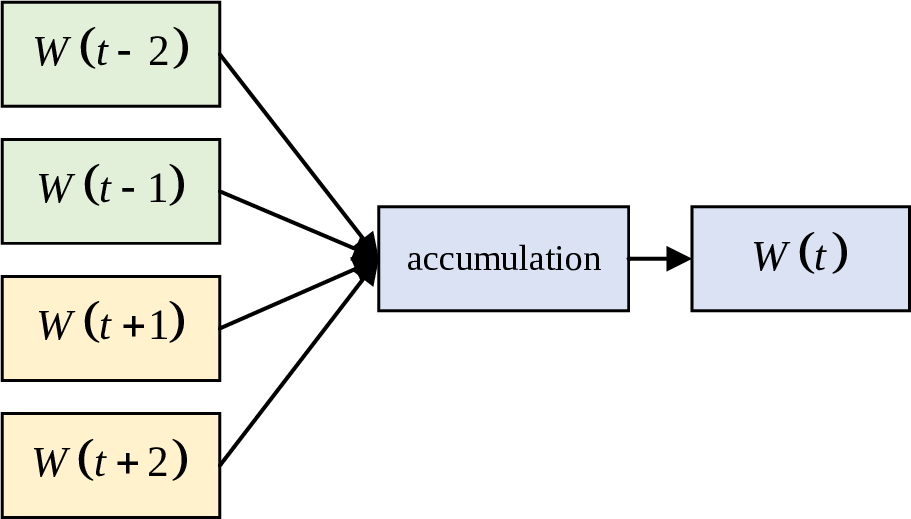
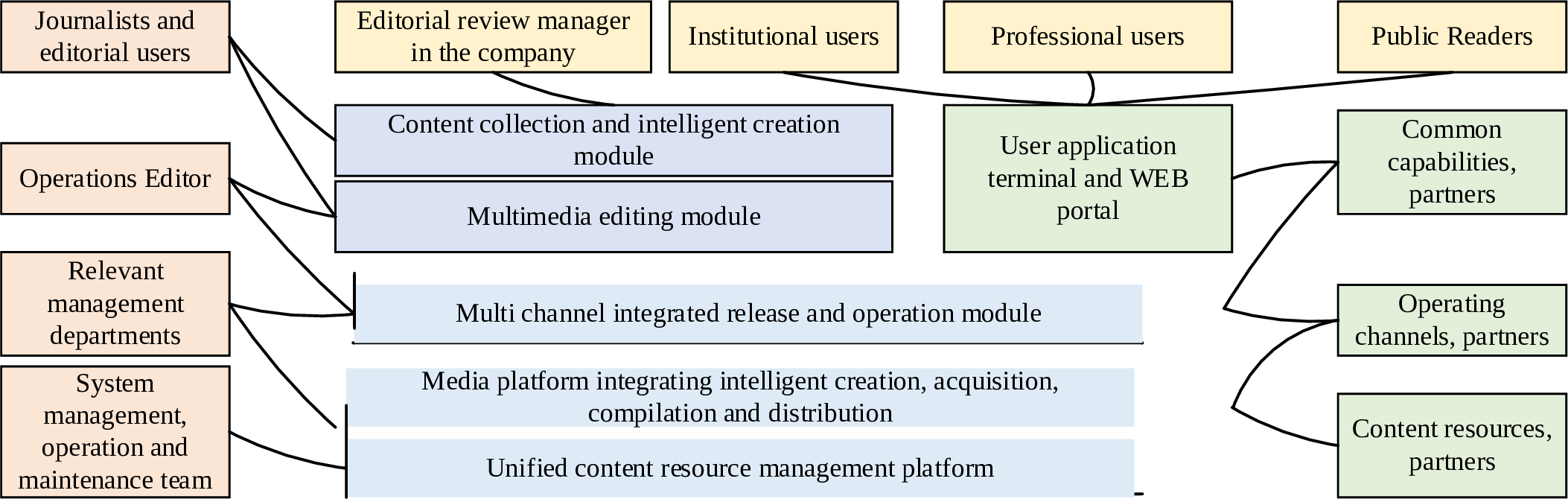
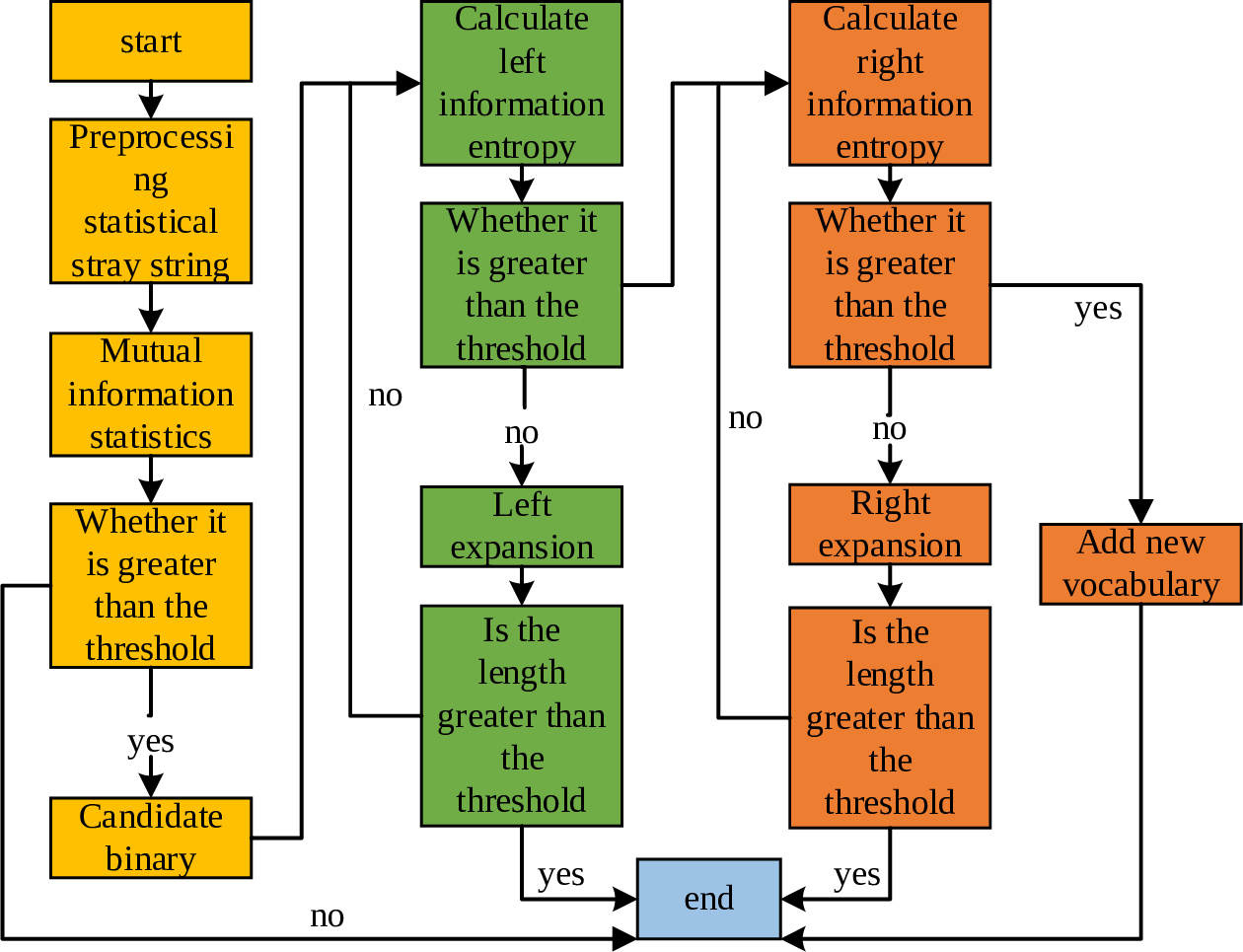
The weighted score is intended to prioritize candidate words that are simultaneously informative, relatively stable, and sufficiently frequent. Because the manuscript does not provide an external gold-standard benchmark for new-word discovery, the score should be interpreted as an operational heuristic rather than as a validated universal estimator. Figure 3 shows the corresponding weighted-similarity pipeline.
The new-word discovery workflow is summarized in Figure 4. It connects preprocessing, candidate generation, statistical scoring, and filtering in the digital-publishing pipeline.
Document or sentence similarity is computed after vectorization. For vectors \(x\) and \(y\), cosine similarity is
Higher cosine similarity indicates greater directional similarity in the selected representation space. This measure can support near-duplicate detection, topic clustering, or comparison of proposed content with existing material.
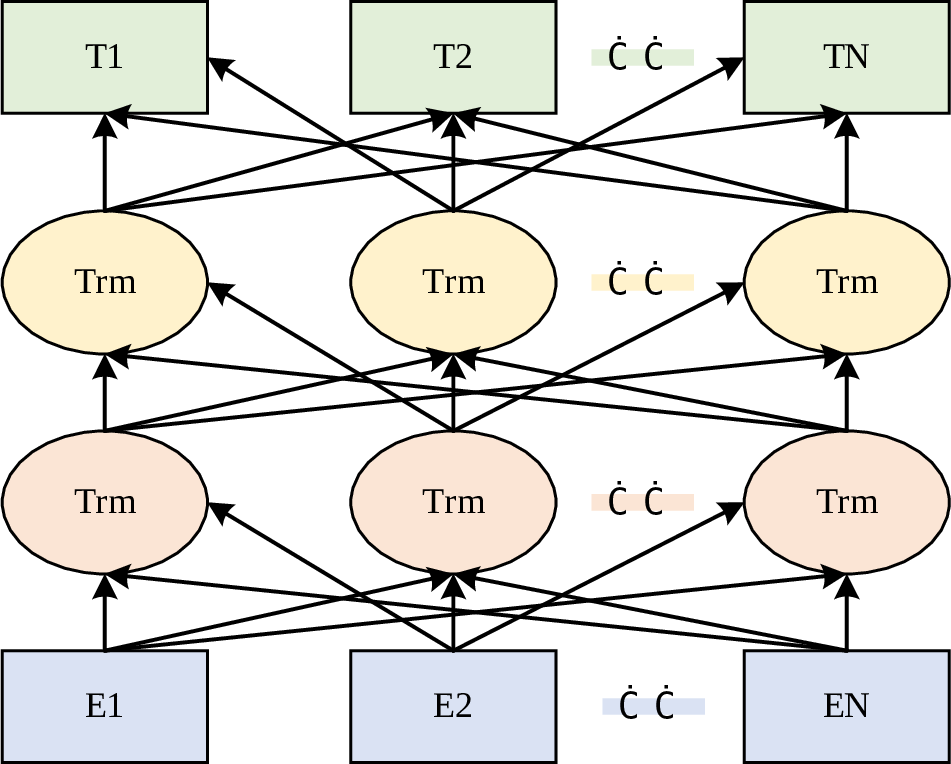
Word2Vec-based representations provide efficient local-context embeddings, but contextual ambiguity may require stronger models. The Transformer architecture introduced self-attention as a mechanism for modeling contextual relationships without recurrent or convolutional sequence processing [13]. Figure 5 presents the Transformer Encoder structure included in the manuscript and clarifies its role as a contextual representation component rather than part of the original SECI model.
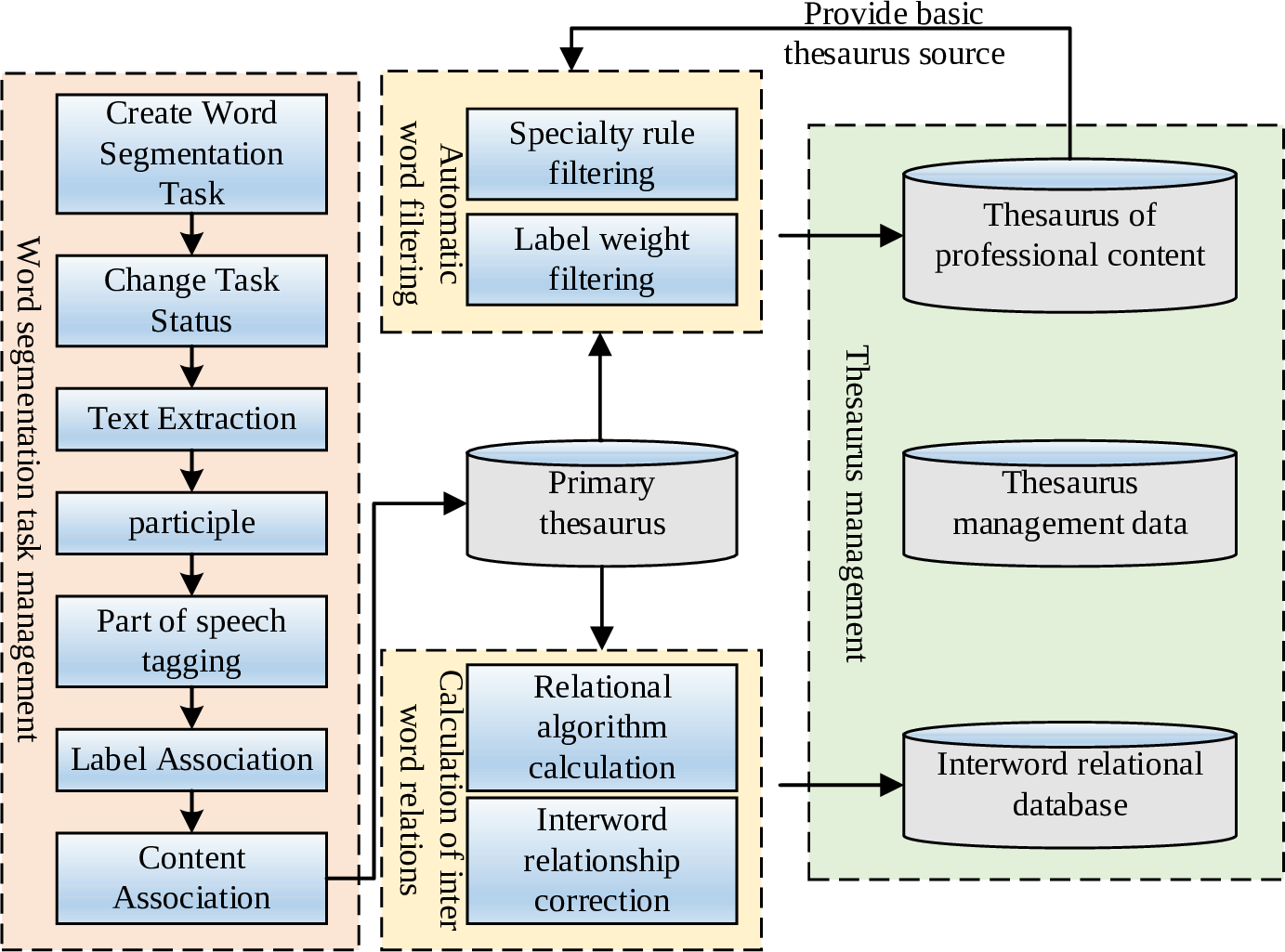
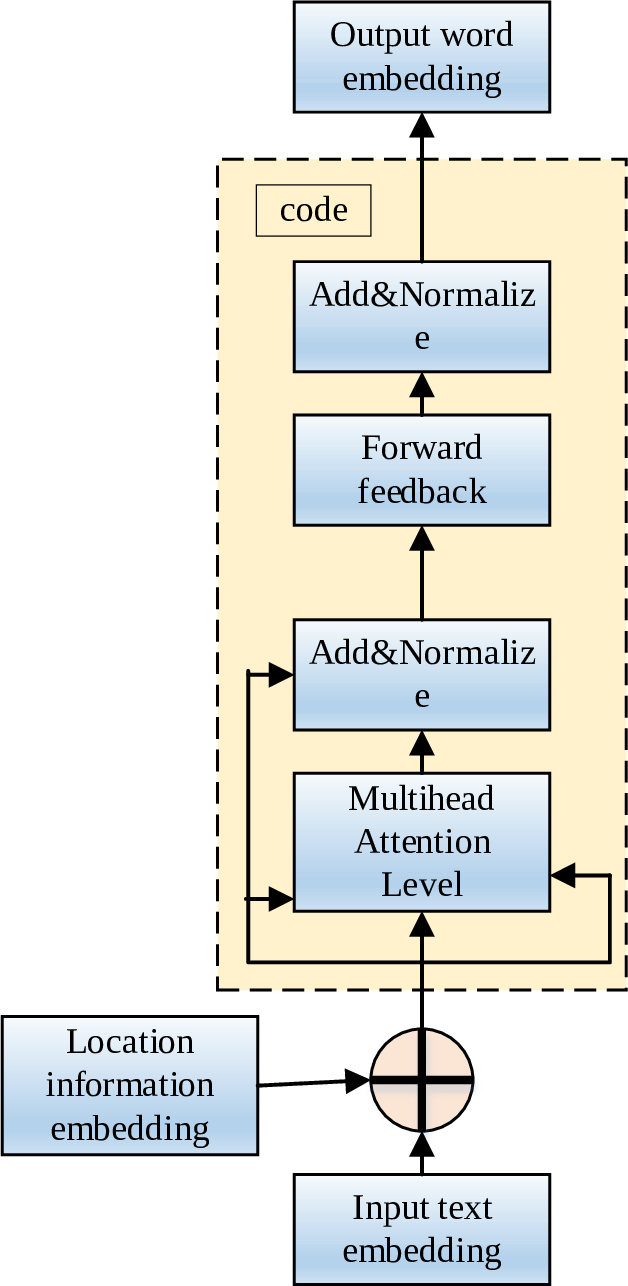
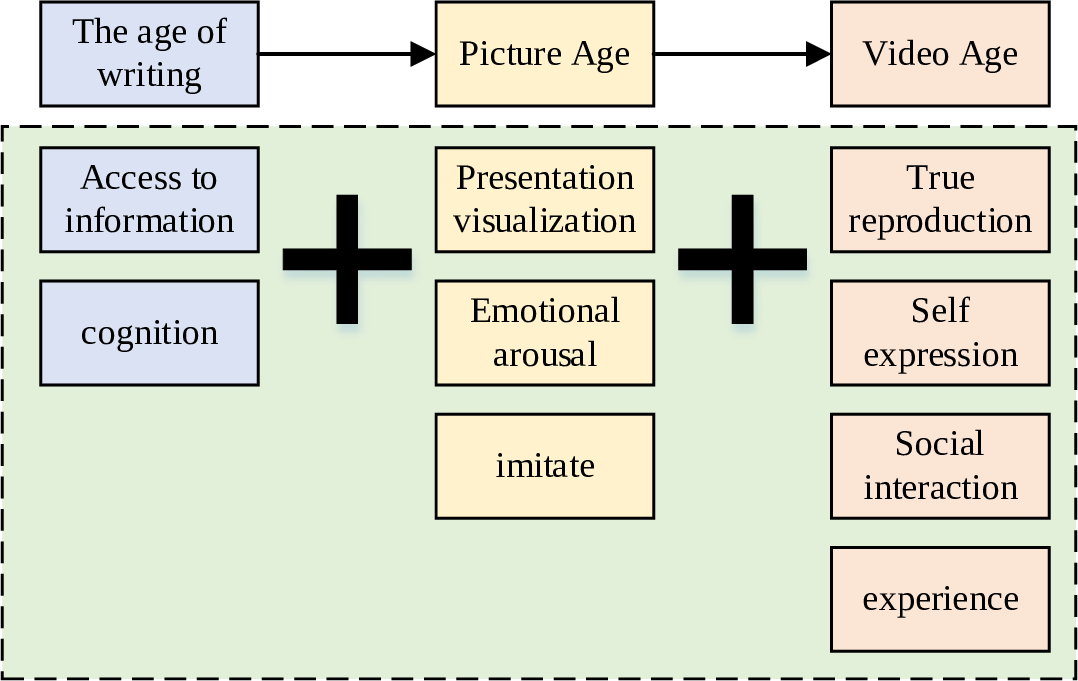
Figure 6 presents the CBOW component used to illustrate local-context word prediction, while Figure 7 places the computational discussion within the wider transition from text- and graphic-dominant publishing to video-centered communication.
The study adopts an exploratory case-study design combining conceptual analysis, descriptive statistics, workflow analysis, and computational text processing. The communication-strategy component is organized using Lasswell’s 5W framework [7]. The organizational component uses an adapted SECI model [8], [9]. The computational component uses established methods from information retrieval and natural-language processing [10]–[13]. These components are integrated analytically but are not treated as a single pre-existing model.
The case concerns Chinese mainstream-media communication in a period characterized by rapid platformization and short-video growth. The manuscript draws particularly on the logic of national mainstream news organizations operating on Douyin and related converged-media platforms. Recent empirical research confirms that People’s Daily and CCTV News have developed extensive short-video practices and that their communication strategies differ in visual emphasis, emotion, and audience engagement from those of local media organizations [4]–[6]. These studies provide external context for the case, while the numerical observations reported below are those contained in the supplied study materials.
The text-processing experiment collected 11,256 textual records from online book-review material. After cleaning, deduplication, removal of unusable records, and screening, 10,134 meaningful records remained for analysis. The corpus was subjected to segmentation, candidate-term extraction, weighting, and similarity analysis. The study does not report a manually labeled validation set, so the computational results are used to demonstrate workflow feasibility rather than to claim benchmark accuracy.
The media case also includes 364 short-video observations associated with the “News Broadcast” account/material. The forwarding-volume categories are analyzed descriptively. Because no comparison group, time-series intervention, or causal identification strategy is available, these forwarding statistics should be interpreted as a distribution of observed engagement rather than as proof that the proposed strategy increased dissemination.
Digital-publishing strategy operates within a wider advertising and platform ecosystem. Table 1 summarizes the information-flow advertising categories included in the original research materials. The table is relevant because it shows the diversity of distribution environments in which digital content may appear and the extent to which platform architecture shapes communication form.
| Information flow advertisement type | Representative platform |
|---|---|
| News and information flow advertisement | Today’s Headlines, Yidian News, Sohu, Tencent, etc |
| Information flow advertisement on social media platform | Weibo, WeChat, Xiaohongshu, QQ, etc |
| Video information stream advertisement | Dithering, Fasthand, iQiyi, Tencent Video, Youku Video, etc |
| Search engine class information flow advertisement | Baidu Search, Sogou Search, 360 Search, Google Search, etc |
| Other information flow advertisements | Ink weather, Gaode map, Baidu cloud disk, Xunlei, etc |
The publishing sector also carries pre-existing brand resources into convergence. Table 2 lists selected Chinese publishing houses and their brand characteristics. These examples illustrate that digital transformation does not begin from a neutral position: established organizations possess reputational assets, editorial specializations, and audience expectations that can be extended into new channels.
| Publishing house | Brand characteristics |
|---|---|
| Zhong Hua Book Company | Professional publishing of traditional cultural books and collation of ancient books |
| The Commercial Press | Academic books, social science books |
| Joint Publishing | Domestic classic literary works |
| China Citic Press | Application mechanism of financial publications and publishing houses |
| Writers Publishing House | Publication and distribution of literary boutiques and modern best sellers |
Brand inheritance should nevertheless be combined with digital adaptation. Doyle’s analysis of multi-platform media shows that digital distribution changes both content supply and organizational resource use [1]. The objective is therefore not simply to move established brands online, but to translate their distinctive editorial value into platform-appropriate forms.
The analytical procedure contains five steps. First, the communication process is decomposed according to communicator, message, channel, audience, and effect. Second, SECI is used to identify how newsroom experience and platform knowledge can move between tacit and explicit forms. Third, textual data are processed through term weighting, embedding, co-occurrence, and similarity methods. Fourth, platform and engagement observations are interpreted descriptively. Fifth, these findings are synthesized into communication-strategy recommendations.
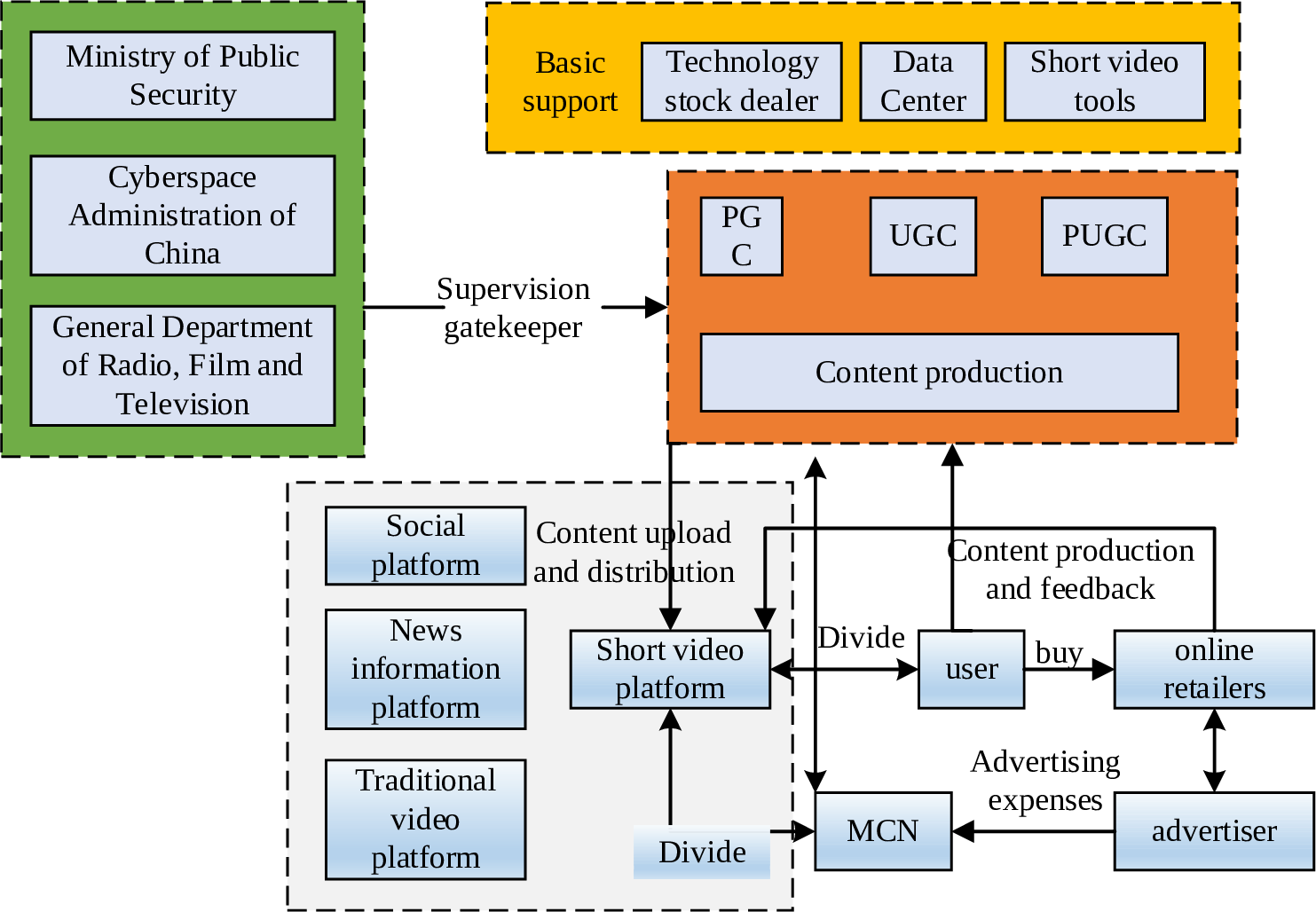
Figure 8 shows the principal communication modules included in the case design.
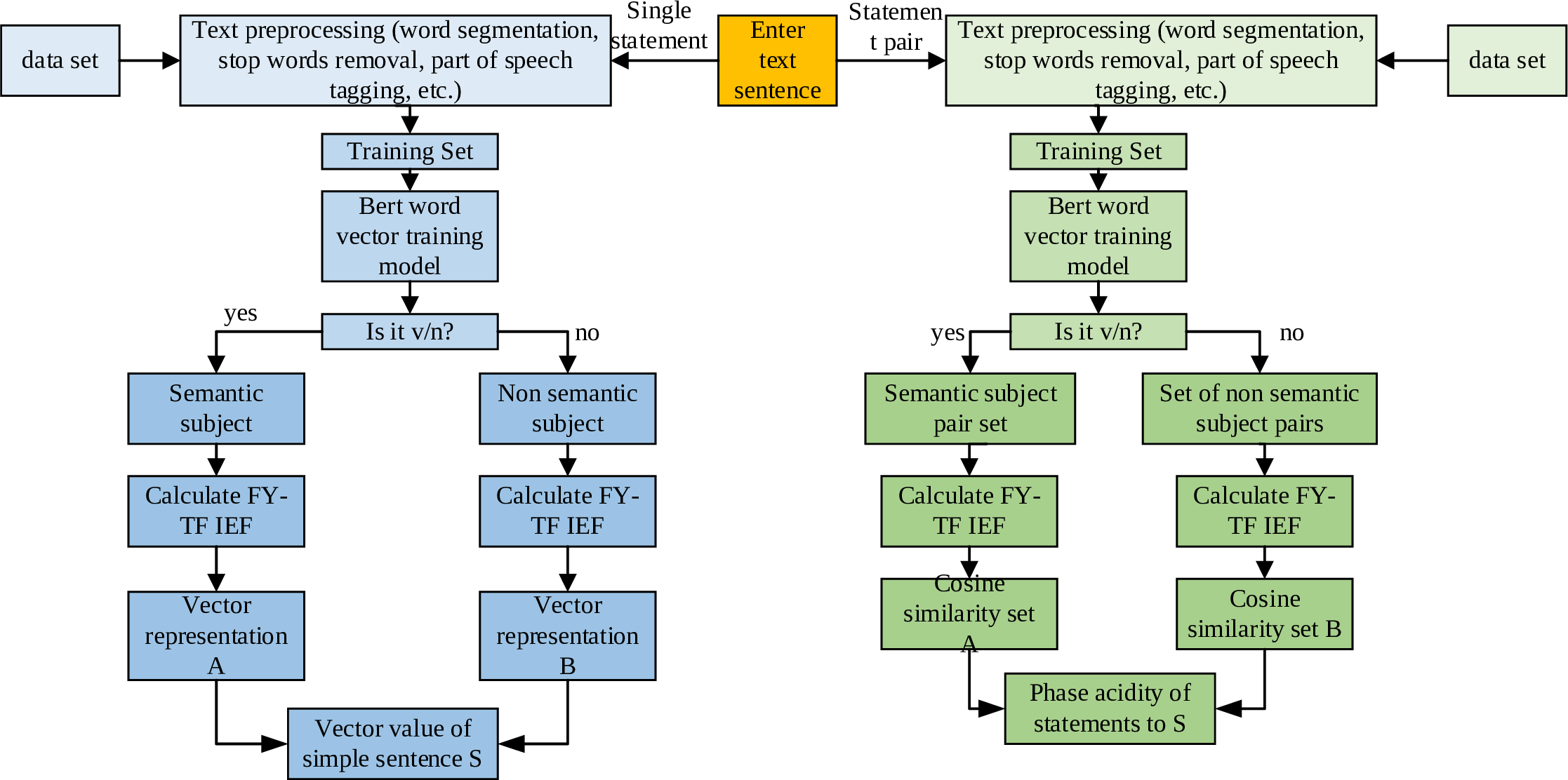
The relationships among users and the converged-media platform are summarized in Figure 9. The figure emphasizes that platform communication is not purely one-way: user viewing, sharing, commenting, and repeated interaction produce signals that return to the editorial system.
Traditional mainstream media historically developed authority through institutional access, professional routines, editorial control, and stable distribution channels. Platform communication changes the conditions under which that authority is encountered. Users may discover a mainstream-media video in the same feed as entertainment, commercial advertising, influencer content, and user-generated material. Authority is therefore no longer guaranteed by channel position alone; it must be communicated through recognizable quality, verification, clarity, and consistent brand identity.
The short-video industry chain shown in Figure 10 illustrates the broader set of actors involved in production and circulation. Mainstream media participate in this chain alongside platforms, technology providers, creators, advertisers, and audiences.
Research on Douyin confirms that Chinese mainstream-media accounts have developed platform-specific practices rather than functioning simply as mirrors of television output [4]–[6]. Nevertheless, content transplantation remains a strategic risk. A television package may contain long introductions, horizontal composition, formal voice-over, and contextual structures that are inefficient in a mobile feed. Platform-native production should therefore begin with the informational core of the story and rebuild the visual and narrative sequence for mobile use.
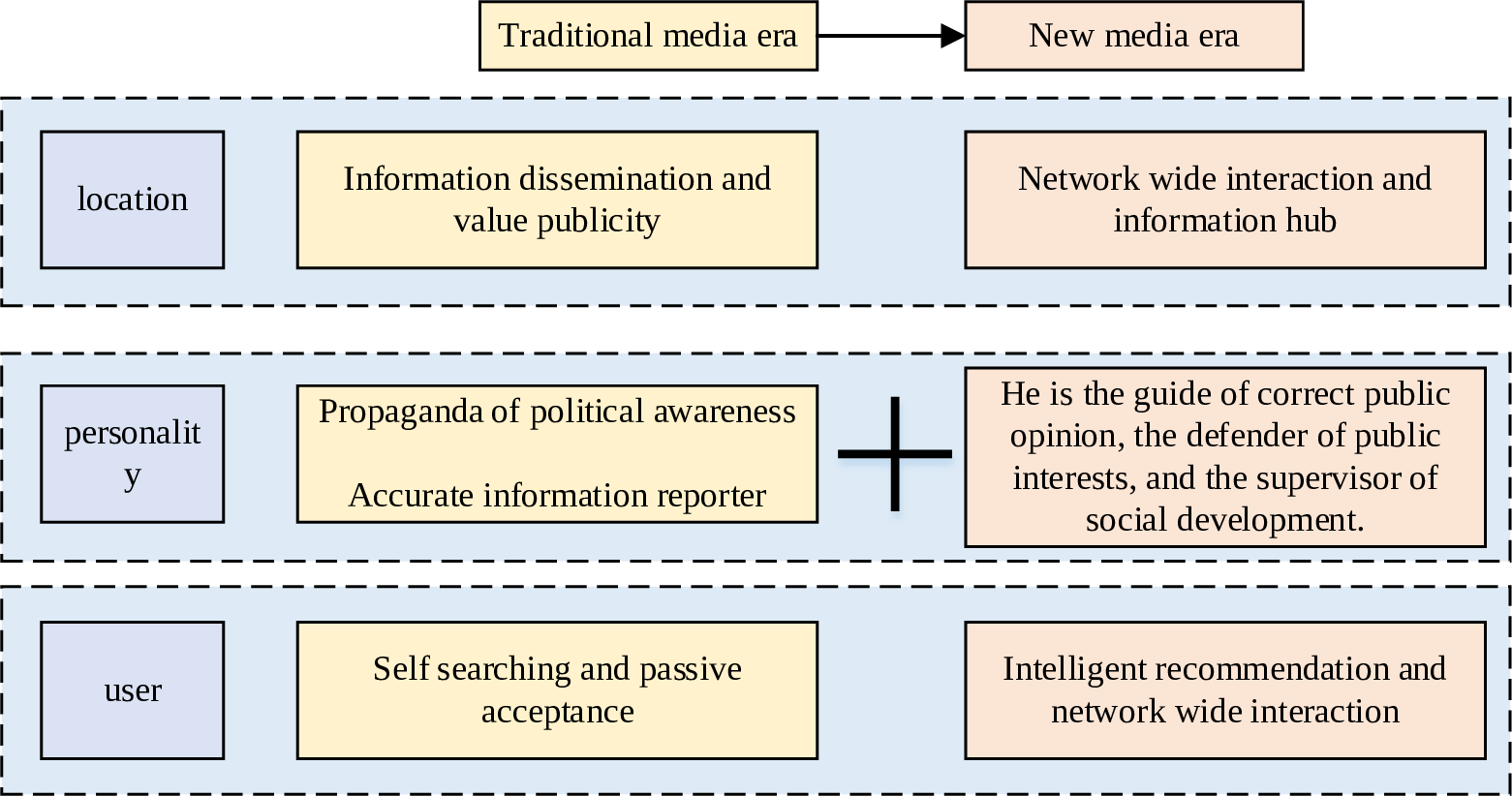
The identity transformation illustrated in Figure 11 should be understood as a change in communicative stance rather than abandonment of institutional responsibility. Mainstream media can adopt more accessible language, human-centered stories, and responsive interaction while retaining verification, attribution, and public-interest orientation.
The case materials indicate that successful short-video communication depends on a balance between authoritative content and user-oriented presentation. The difference is summarized in Table 3. Traditional mainstream media prioritize credibility, guidance, and professional authority, whereas commercial short-video platforms emphasize retention, conversion, entertainment, and platform profitability. These orientations are not mutually exclusive, but they produce different default communication styles.
| Traditional media short video platform | Commercial media short video platform | |
|---|---|---|
| Objective | Communication, guidance, influence and credibility | User retention, conversion, and platform profitability |
| Communication orientation | Elitist Communication orientation | User-centered thinking |
| Distribution style | Combination of hard and soft | Mainly soft |
| Narrative perspective | External perspective | Internal perspective |
| Typical communicator | Authoritative and professional personnel | Users and creators |
| Narrative structure | Order first | Mainly inverted pyramid |
| Camera style | Close up+panoramic | Close up+close-up |
| Audio style | Primarily original sound+narration | Primarily soundtrack |
| Discourse style | Official discourse+Users and creators discourse | Folk discourse+private discourse |
| Strategic emphasis | Authority+emotion+detail | Curiosity+resonance+visualization |
A viable mainstream-media strategy should therefore avoid two extremes. The first is rigid institutional discourse that assumes users will remain attentive because the source is authoritative. The second is unrestricted imitation of commercial entertainment logic, which may weaken credibility and reduce substantive information. The strategic middle position is to preserve authoritative sourcing while using concise openings, visible human subjects, concrete details, platform-appropriate pacing, captions, and emotionally intelligible narrative structure.
The 5W framework helps operationalize this balance. “Who” concerns the recognizable institutional source and presenter; “says what” concerns the selected informational core; “in which channel” concerns Douyin or another platform and its technical conventions; “to whom” concerns audience segments and their needs; and “with what effect” concerns outcomes such as comprehension, sharing, trust, return viewing, or interaction. The model is therefore used as a planning checklist rather than as a complete theory of platform behavior.
The forwarding-volume observations provide a descriptive view of content circulation. Table 4 reports 364 observations. The largest category is 1,001–10,000 forwards, accounting for 42.35% of the sample, followed by 101–1,000 with 30.09% and 10,001–100,000 with 22.57%. Only 2.79% exceed 100,000 forwards.
This distribution indicates substantial heterogeneity in communication reach. Most videos fall into intermediate categories, while very high forwarding is relatively rare. Such a pattern supports the need to examine why particular items exceed ordinary circulation, but the aggregate table alone cannot identify causal drivers. Topic, timing, emotional structure, breaking-news relevance, platform recommendation, account growth, and external events may all influence forwarding.
The result also cautions against evaluating a mainstream-media account through isolated viral successes. Stable communication requires repeated production of credible and useful content. A sustainable strategy should therefore track median and distributional performance, not only maximum forwarding values.
| Frequency | Percentage | Effective Percentage | Cumulative Percentage | ||
|---|---|---|---|---|---|
| Valid | 100 or fewer | 9 | 2.24 | 2.24 | 2.24 |
| 101–1,000 | 109 | 30.09 | 30.09 | 32.32 | |
| 1,001–10,000 | 153 | 42.35 | 42.35 | 74.66 | |
| 10,001–100,000 | 82 | 22.57 | 22.57 | 97.22 | |
| Above 100,000 | 11 | 2.79 | 2.79 | 100.0 | |
| Total | 364 | 100.0 | 100.0 |
The digital-publishing workflow illustrated in Figure 12 integrates collection, editing, review, multimedia processing, publication, and distribution. The key organizational implication is that convergence should connect these stages rather than create separate digital units that merely repackage final products.
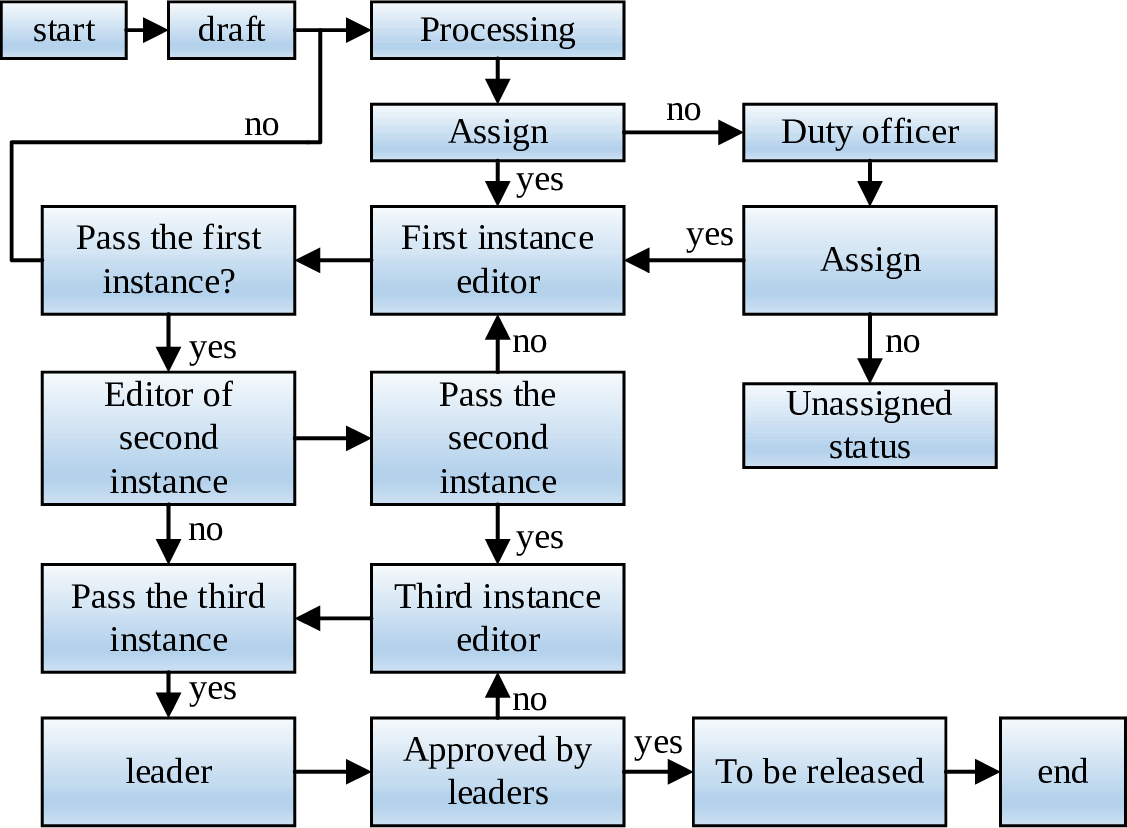
The workflow can be strengthened by introducing data-assisted functions at appropriate stages. Topic analysis can assist editorial planning; similarity analysis can detect duplication; new-word discovery can identify emerging vocabulary; and audience data can inform follow-up coverage. However, computational tools should not make final editorial judgments autonomously. Their role is decision support.
The customized Ci-SECI text-analysis component is intended to support this workflow by enriching vector representation with part-of-speech and weighted lexical information. Because the manuscript does not include a comparison against multiple external benchmarks, its value is presently methodological rather than conclusive. Future work should compare the method with standard TF–IDF, Word2Vec, GloVe, and Transformer baselines using labeled similarity or classification tasks.
The brand characteristics shown earlier in Table 2 illustrate how established publishers can carry specialized reputations into digital channels. This principle also applies to mainstream news. Brand authority represents accumulated expectations concerning reliability, topic expertise, and editorial style. Platform adaptation should make these assets more accessible rather than dissolve them.
At the same time, convergence requires differentiated production. Figure 7 emphasizes the shift from static graphic-dominant communication toward video-centered forms, while Figure 6 and Figure 5 illustrate the parallel development of computational support for text understanding. The technological transition therefore operates on both the audience-facing side and the editorial-analysis side.
Figure 9 positions users as participants in a feedback loop. Likes, comments, shares, watch time, and repeat viewing can reveal patterns of attention, but they should not be equated automatically with public value or trust. High engagement may reflect controversy, entertainment, novelty, or disagreement. Mainstream media therefore need multiple indicators of communication effect, including accuracy, reach, engagement quality, correction rates, audience understanding, and brand trust.
This distinction is especially important in the post-truth and misinformation environment. Platform optimization should never reduce verification standards. Studies of social-media news demonstrate that platform conventions can reshape journalistic presentation, but professional norms remain essential to public credibility [14]. The practical recommendation is to make verification visible: cite sources, show original documents where appropriate, distinguish confirmed information from developing reports, and correct errors transparently.
The most important theoretical correction in this study is the separation of SECI from computational language models. SECI is an organizational theory of knowledge creation [8], [9]. TF–IDF, Word2Vec, GloVe, cosine similarity, and Transformer encoding are computational techniques developed in information retrieval and machine learning [10]–[13]. Conflating these traditions obscures both.
Once separated, however, the two layers can be connected coherently. Computational methods create explicit representations of textual information. SECI explains how organizations may absorb such explicit information into collective routines. A newsroom may, for example, use topic extraction to identify emerging vocabulary; editors discuss the result; the organization develops a guideline; and journalists internalize the guideline in subsequent production. The relationship is therefore organizational rather than genealogical.
The analysis supports two broad strategies. The first is a combination strategy. Mainstream media should combine institutional reporting resources, archives, audience data, platform metrics, computational text analysis, brand assets, and professional standards. Combination reduces fragmentation between editorial departments, technology teams, publishing units, and platform operators.
The second is a transformation strategy. Combined knowledge must lead to changed practice: new story structures, new production routines, more effective mobile visual design, audience-oriented language, improved interaction, and clearer differentiation between platform-native and repurposed material. Transformation corresponds most closely to the internalization stage of SECI because explicit guidelines and analytical results become professional competence.
These strategies reinforce one another. Combination without transformation produces dashboards that do not change practice. Transformation without combination may produce isolated innovation that is difficult to reproduce across the organization. The knowledge spiral becomes useful when data, experience, rules, and practice continually inform one another.
The case evidence also reinforces the importance of original production. Recent research on Chinese central and local news agencies demonstrates that short-video communication strategies vary by institutional position and content focus [5]. Mainstream media should therefore avoid copying platform trends mechanically. Their strongest competitive advantage is access to verified information, reporting capacity, and public-interest storytelling.
Originality should be understood as editorial value rather than novelty for its own sake. A short video may be original because it provides an exclusive source, explains a complex issue clearly, visualizes data effectively, introduces an underrepresented perspective, or transforms a formal policy story into a concrete human narrative. These forms of originality can increase relevance without weakening professional identity.
The framework also has implications for the education of digital-publishing and communication professionals. Contemporary programs cannot treat editorial writing, audiovisual production, data analysis, platform governance, and artificial intelligence as unrelated skill areas. Students need to understand both the professional logic of media institutions and the technical logic of digital platforms. This does not mean that every communication student must become a machine-learning engineer. It means that future editors should understand what computational tools can and cannot infer, how data are generated, how algorithmic outputs should be interpreted, and when professional judgment must override an automated recommendation.
A curriculum informed by the present framework can be organized around project-based integration. Students can begin with a verified news source, develop a television or long-form version, redesign it for short video, generate metadata and captions, compare alternative headlines using text-similarity tools, examine platform feedback, and document what knowledge was gained. The SECI cycle can then be used reflectively: students identify tacit production choices, externalize them in a production memo, combine the memo with analytical results, and internalize revised practices in a subsequent project. Such exercises would make convergence an applied learning process rather than a purely theoretical topic.
Ethical and professional literacy should remain central. Data-assisted publishing raises questions about privacy, bias, attribution, automation, and the visibility of editorial responsibility. Students should learn that high engagement is not equivalent to high public value and that algorithmic similarity is not equivalent to semantic truth. The future of digital publishing therefore depends on interdisciplinary competence joined to a clear understanding of professional accountability.
Several limitations should be recognized. First, the study is exploratory and combines conceptual, descriptive, and computational components. The available evidence does not support causal claims about the effect of the proposed communication strategy on trust, influence, or engagement. Second, the 364 forwarding observations are aggregate and lack the metadata necessary for multivariate analysis. Third, the 10,134 cleaned textual records are used to demonstrate a processing workflow, but no labeled benchmark is provided for evaluating the custom scoring model. Fourth, the case is situated in the Chinese mainstream-media environment, so institutional conclusions may not transfer directly to commercial or international media systems.
A further limitation concerns the relationship between platform metrics and communication quality. Forwarding, likes, and comments are observable but imperfect indicators. A highly shared item may not be the most accurate or socially valuable item. Future research should combine behavioral metrics with content-quality assessment, audience surveys, trust measures, retention analysis, and controlled comparisons of narrative strategies.
Media convergence has changed the conditions under which mainstream media produce, distribute, and evaluate content. The central challenge is not simply technological adoption. It is the organizational and editorial task of integrating professional knowledge with platform-specific communication and data-assisted analysis.
This study develops an integrated framework in which Lasswell’s 5W model organizes communication analysis, the SECI model explains newsroom knowledge conversion, and established NLP methods provide a computational support layer. Correctly distinguishing these components resolves an important theoretical problem. SECI belongs to organizational knowledge theory, while TF–IDF, Word2Vec, GloVe, cosine similarity, and Transformer encoding belong to information retrieval and machine learning.
The case materials show that short-video communication by mainstream media requires more than republishing television content. Effective transformation involves stable original-content production, concise and mobile-oriented narrative design, user-sensitive communication, professional verification, brand continuity, and continuous learning from platform feedback. The forwarding distribution of the analyzed “News Broadcast” material further indicates that very high circulation is uncommon, reinforcing the need to evaluate performance across a portfolio rather than through isolated viral cases.
The paper therefore proposes two mutually reinforcing strategic directions. Combination integrates editorial knowledge, technology, data, brand resources, and platform information. Transformation converts these combined resources into new routines, skills, narrative forms, and audience relationships. Together, they provide a practical interpretation of media convergence as organizational learning rather than simple channel expansion.
Future research should test the proposed framework with a clearly documented dataset, predefined performance indicators, baseline methods, and reproducible code. The custom text-weighting model should be benchmarked against standard TF–IDF, Word2Vec, GloVe, and Transformer representations. Communication research should also examine how different narrative structures affect comprehension, trust, sharing, and sustained attention. Such work would move the present framework from an exploratory synthesis toward a validated model of mainstream-media communication in converged digital environments.
The sole author, N.S., was responsible for the conceptualization, methodology, formal analysis, investigation, visualization, manuscript preparation, and review and editing of the study.
This research was supported by the 2025 Liaoning Provincial Undergraduate Higher Education Teaching Reform Research Project, “Research on the Practice of Artificial Intelligence Empowering the Curriculum System of the Communication Studies Major” (Project No. 2025YBXM0879), hosted by Nan Song at Shenyang Institute of Technology.
The author declares no conflict of interest.
The data supporting the descriptive analyses reported in this study are available from the author upon reasonable request. The manuscript reports aggregate corpus sizes and the summarized forwarding-volume distribution used in the case analysis.
Ethical approval and informed consent were not required because the study did not involve experiments with human participants or the collection of identifiable personal data. The analysis used media content, platform-level observations, and textual materials.