
Optimizing biological processes is increasingly critical for the sustainable development of agricultural systems, helping to maintain ecological balance and ensure efficient resource utilization [1]. Conventional farming methods often suffer from inefficient nutrient management, particularly with regard to nitrogen, leading to significant resource waste and environmental harm [2]. Nitrogen, a vital nutrient for plant growth, plays a crucial role in agricultural output. However, its improper use can result in adverse effects such as soil erosion, water contamination, and biodiversity loss. These challenges necessitate innovative approaches to nutrient management that emphasize ecological health and sustainable practices [3], [4].
Biological optimization refers to the application of natural principles, such as nutrient cycling and ecosystem balance, to enhance agricultural productivity while simultaneously reducing detrimental effects on the environment. This concept is rooted in the understanding that natural systems operate in a balanced and efficient manner. By mimicking these processes, we can achieve sustainable agricultural practices. For example, nutrient cycling in natural ecosystems ensures that resources are reused and recycled, minimizing waste and maximizing efficiency. By applying these principles to agriculture, we can create systems that are not only productive but also environmentally friendly. One promising approach is the use of genetic algorithms (GAs)—computational methods inspired by evolutionary biology and natural selection [5], [6]. In the context of agriculture, GAs can model and optimize nutrient flows, including nitrogen cycles, to improve resource management and system efficiency [7], [8]. Nitrogen is a key nutrient for plant growth, but its management in agricultural systems is often inefficient, leading to significant losses through leaching, volatilization, and denitrification. These losses not only reduce the availability of nitrogen for crops but also contribute to environmental problems such as water pollution and greenhouse gas emissions. By using genetic algorithms to model and optimize nitrogen cycles, we can develop strategies that maximize nitrogen use efficiency, reduce losses, and enhance crop productivity.
This study focuses on employing genetic algorithms to enhance nitrogen balance in agricultural systems, particularly in circular farming models. Circular farming is an innovative approach that emphasizes the recycling of agricultural waste, such as manure, to close the nutrient cycle and reduce dependence on artificial fertilizers [9]. In a circular farming system, nutrients are recycled and reused within the system, minimizing the need for external inputs and reducing environmental impacts. By simulating and optimizing nutrient cycles with genetic algorithms, we aim to develop farming systems that increase crop yields while mitigating environmental impacts [1], [10].
The integration of genetic algorithms with biological optimization principles offers a novel pathway to address major challenges in conventional farming. Conventional farming practices often rely on linear models of resource use, in which inputs such as fertilizers are applied to crops and waste products are disposed of, leading to inefficiencies and environmental degradation. In contrast, integrating genetic algorithms with biological optimization principles allows us to design farming systems that operate in a circular and sustainable manner. This approach combines ecological sustainability with economic feasibility, paving the way for long-term agricultural development. By introducing advanced computational tools and applying the principles of nutrient cycling, this research provides a framework for enhancing productivity while safeguarding ecological health. The use of genetic algorithms in agriculture represents a significant advancement in our ability to model and optimize complex systems. By applying these tools to the challenge of nitrogen management, we can develop innovative solutions that improve resource use efficiency, reduce environmental impacts, and enhance agricultural productivity. This research not only contributes to the field of agricultural science but also provides practical insights that farmers, policymakers, and other stakeholders can apply to promote sustainable agriculture.
In summary, this study explores the potential of genetic algorithms to optimize nitrogen balance in agricultural systems, with a focus on circular farming models. By integrating computational tools with biological optimization principles, we aim to develop farming systems that are both productive and sustainable. This research represents a significant step forward in our efforts to address the challenges of conventional farming and promote the sustainable development of agricultural systems.
In the context of biomechanics, the optimization of the simple genetic algorithm (SGA) can be aligned with the modeling of human biomechanical systems to enhance performance and reduce injury risk [10], [11]. The parameters influencing SGA solutions, such as crossover probability and mutation rates, are analogous to variables in biomechanical systems, including muscle force, joint angles, and movement patterns. By refining these parameters, the SGA can provide insights into biomechanical optimization [12].
For instance, when modeling human motion, the objective function can be designed to minimize joint impact forces and muscle strain while maximizing energy use efficiency. This is particularly relevant in sports biomechanics, where improper force distribution often leads to injuries. An optimized SGA can simulate complex biomechanical processes and support applications such as gait analysis and the optimization of athletic movements, identifying optimal movement patterns that reduce stress on joints and muscles [13], [14].
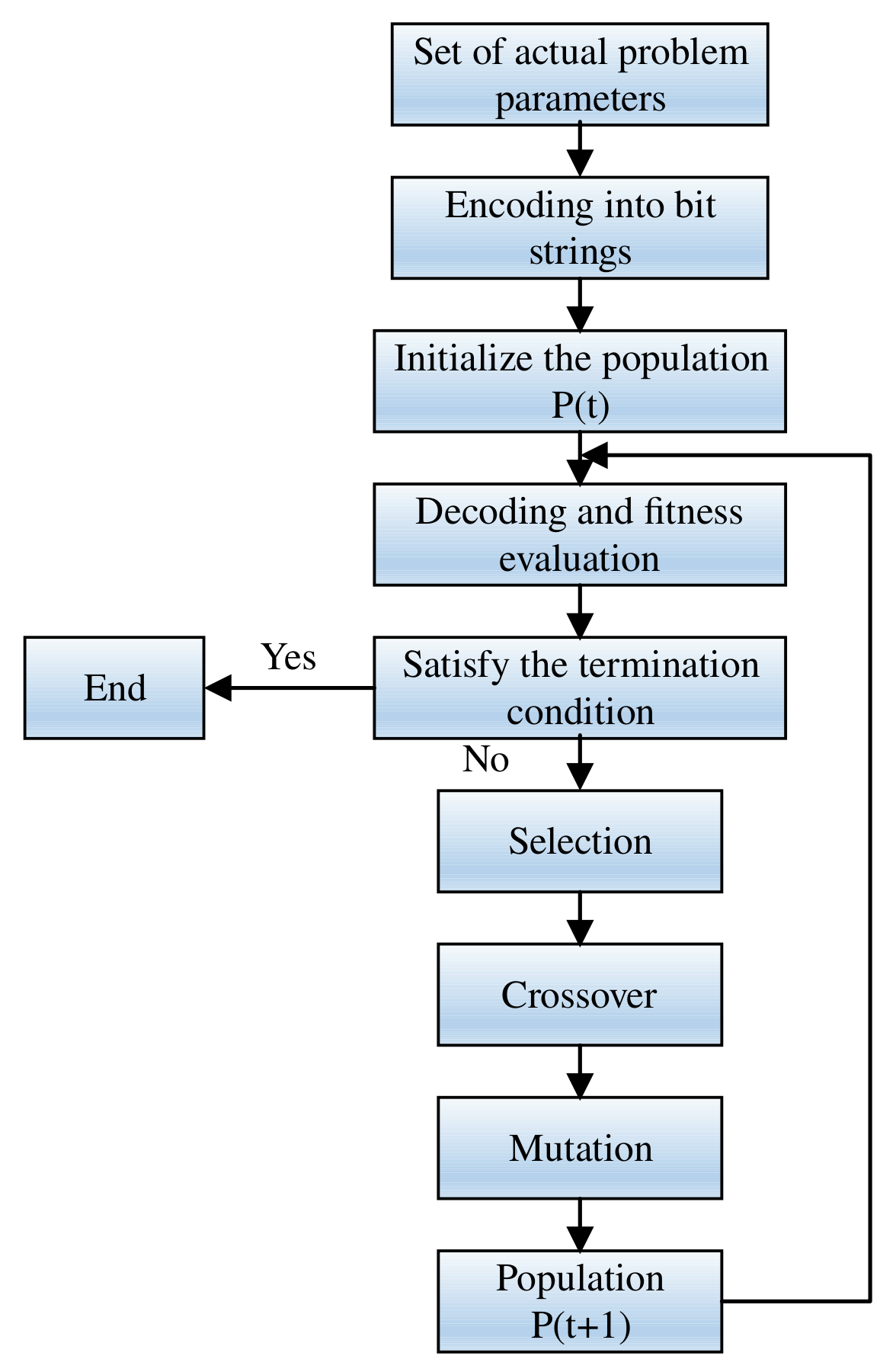
The genetic algorithm flowchart can be adapted to represent biomechanical optimization, in which the input parameters include anthropometric data, muscle activation patterns, and joint kinematics [1]. The algorithm iterates through potential solutions, selecting movement strategies that minimize fatigue and maximize recovery. By encoding biomechanical variables as genes in the algorithm, we can simulate and refine multi-objective biomechanical models that address individual needs, ensuring personalized optimization strategies [12]. The algorithm’s workflow is shown in Figure 1.
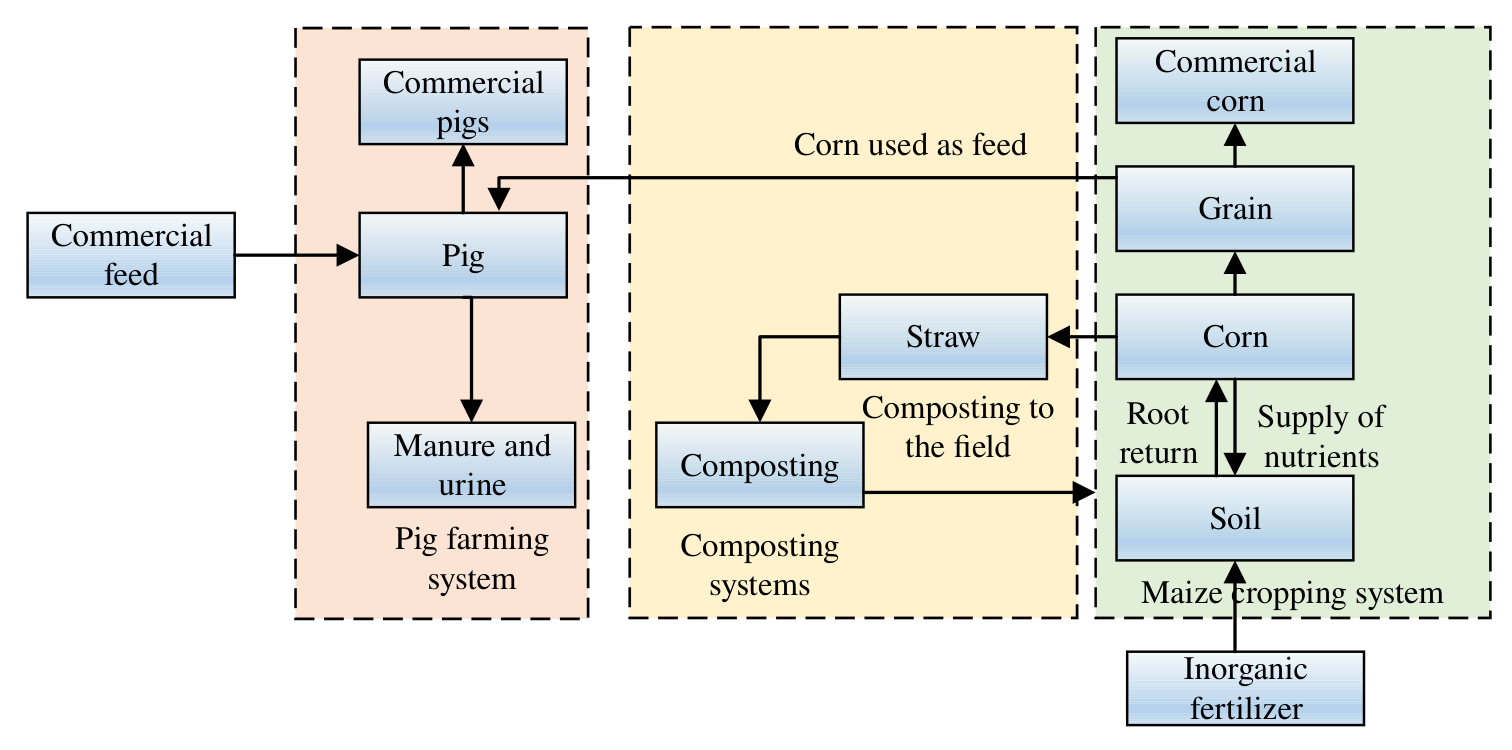
Moreover, parallels can be drawn between the conceptual framework of circular agriculture in Figure 2 and human biomechanics. Just as circular farming emphasizes resource recycling and efficiency, sustainable biomechanics focuses on optimizing movement strategies to conserve energy and promote recovery. For example, energy recycling in biomechanical terms could involve the efficient storage and release of elastic energy in tendons, analogous to energy transformation in agricultural systems [3].
There is no theoretical basis for selecting the four parameters that influence the solutions obtained by the genetic algorithm and their quality. Identifying appropriate parameter values and ranges in practice usually requires a series of trial calculations [15].
The genetic algorithm can be expressed as Eq. (1).
When designing an encoding scheme for real-world application problems, the encoding, crossover, mutation, and decoding methods must all be considered together.
For a maximization problem, the fitness function is defined as follows:
Based on scientific design, appropriate scaling, and an adequate theoretical foundation, this model aims to achieve multi-level energy transformation and resource recycling during agricultural cultivation and animal breeding. By treating the original waste resources to render them harmless, it also seeks to achieve waste recycling and efficient resource use. The circular agriculture system model is shown in Figure 2.
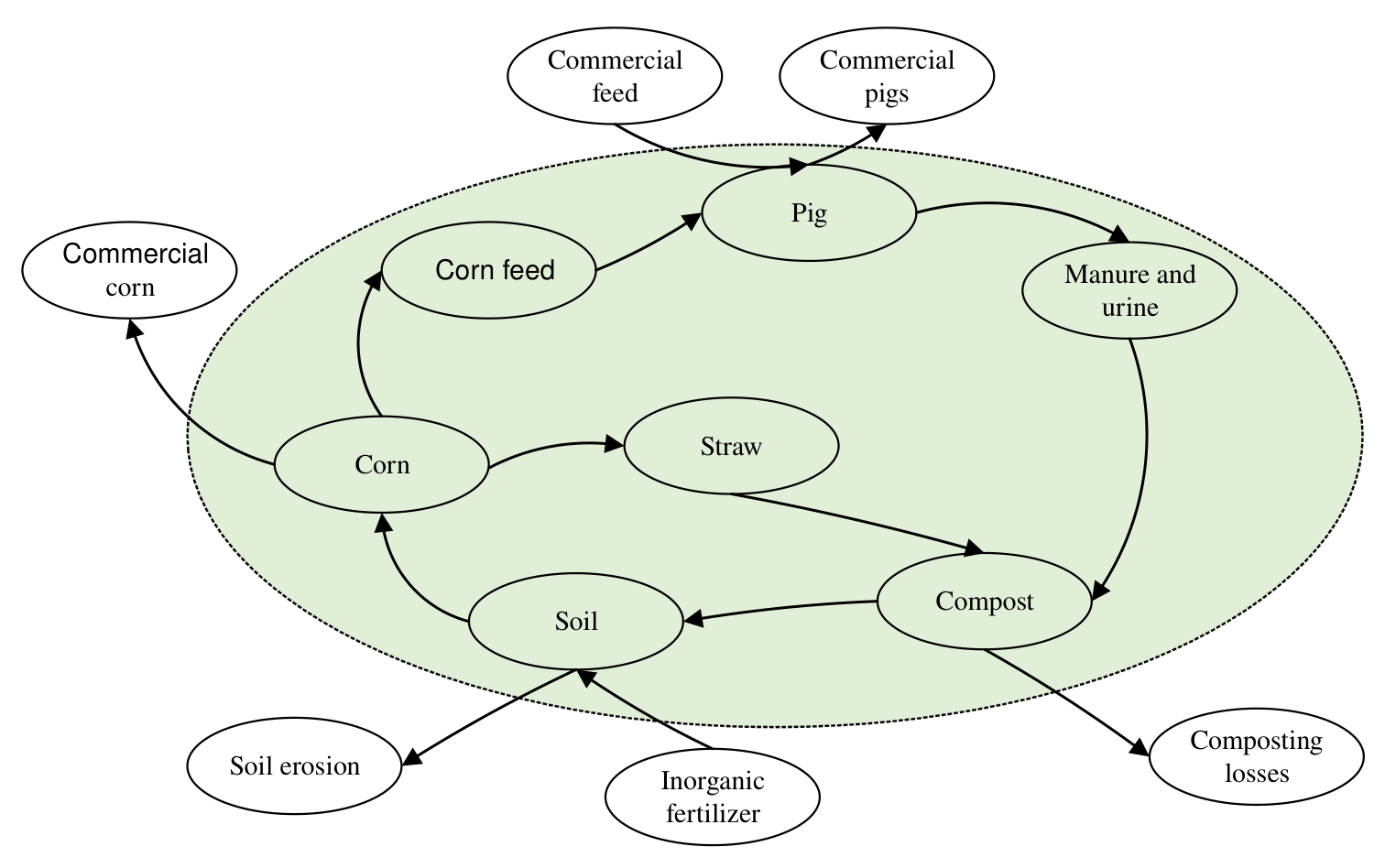
The rationale behind the construction of this model is to achieve multi-level energy transformation and resource recycling. It also aims to achieve waste recycling and efficient resource use by treating the original waste resources to render them harmless [16]. Figure 3 shows the nitrogen balance boundary conditions for the circular agriculture system.
Initially, particles are initialized in the program based on the objective function so that their fitness can be maximized. The multi-objective function and its constraints can be written as follows:
The particle velocity is updated as follows:
The widespread use of genetic algorithms has led to the development of numerous encoding techniques, which can be categorized into three groups: symbolic, binary, and real-valued encoding techniques. Figure 4 presents the flowchart of the optimized particle swarm optimization (PSO) algorithm.
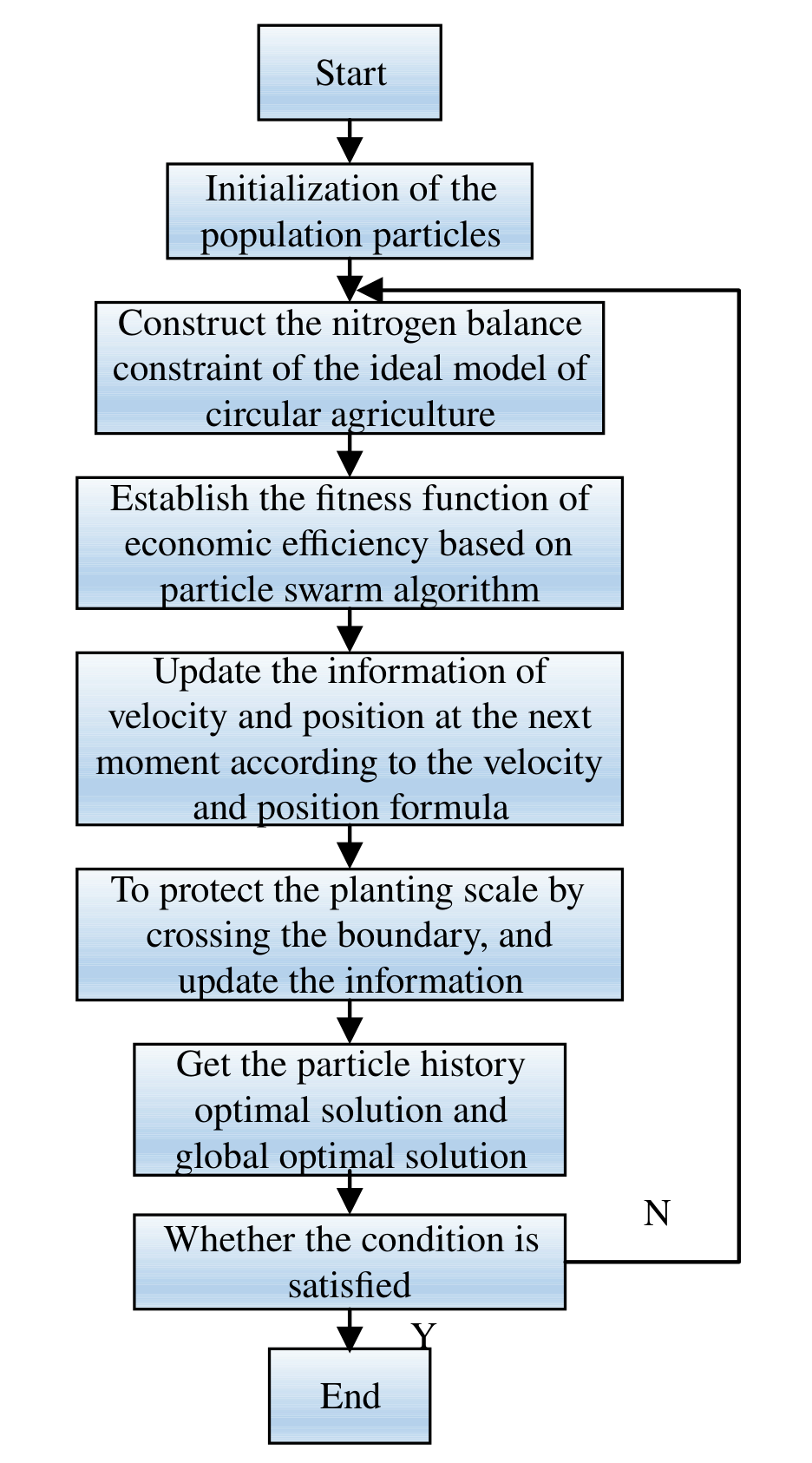
The application of big data in biomechanics has revolutionized the ability to analyze and optimize human movement. By integrating particle swarm optimization (PSO) methods, biomechanical models can predict the most efficient movement patterns for various activities. The PSO algorithm, as depicted in Figure 4, can be adapted to biomechanical contexts in which particles represent different movement strategies [5]. The algorithm evaluates these strategies based on predefined fitness criteria, such as minimizing metabolic cost, joint stress, and recovery time.
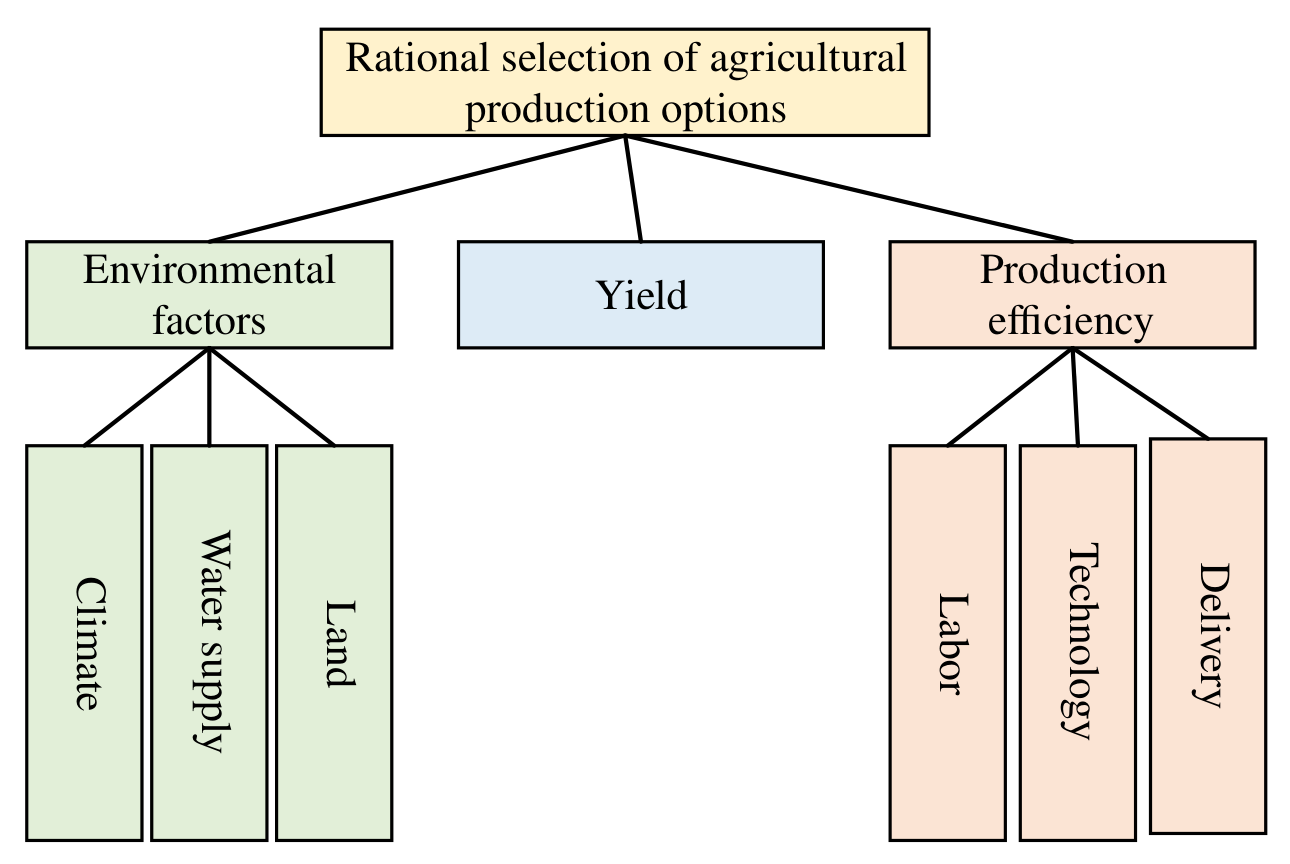
Hierarchical structures, such as those shown in Figure 5, can be employed in biomechanical evaluations to assess the effectiveness of different interventions. For example, a hierarchical model could include levels such as joint kinematics, muscle activation, and overall performance. Each level contributes to a comprehensive evaluation of biomechanical efficiency, enabling targeted interventions for injury prevention or performance enhancement.
Big data also plays a critical role in advancing biomechanics through motion capture technologies and wearable sensors. These tools generate vast amounts of data on human movement, which can be analyzed using algorithms such as the SGA and PSO. For instance, gait analysis datasets can be processed to identify patterns associated with injuries or inefficiencies, guiding the development of personalized rehabilitation programs.
The PSO algorithm evaluates movement strategies based on predefined fitness criteria. A generic fitness function for biomechanical optimization can be expressed as follows:
where \(F(x)\) is the fitness value of a movement strategy \(x\); \(E(x)\) is the metabolic cost of the movement, such as energy expenditure; \(S(x)\) is joint stress, such as the load on the knee or shoulder joints; and \(R(x)\) is the recovery time following the movement, such as the time required to return to the resting heart rate. The weighting coefficients \(w_1\), \(w_2\), and \(w_3\) are adjusted according to biomechanical priorities.
The joint angle \(\theta\) as a function of time in a biomechanical context can be expressed as follows:
where \(\theta(t)\) is the joint angle at time \(t\), \(\theta_0\) is the initial joint angle, \(\omega\) is the initial angular velocity, and \(\alpha\) is the angular acceleration.
For the vertical and horizontal components of the ground reaction force during running or jumping, the following expression is used:
where \(F_{\mathrm{GRF}}\) is the ground reaction force; \(m\) is the individual’s mass; \(g\) is the acceleration due to gravity; \(k\) is the spring constant representing the stiffness of muscles and tendons; \(x\) is the displacement associated with compression or stretching of the spring; \(c\) is the damping coefficient for energy dissipation; and \(v\) is the velocity of the joint or foot.
The activation level of a muscle group can be quantified as follows:
where \(A(t)\) is the muscle activation level, \(EMG(t)\) is the measured electromyographic signal at time \(t\), and \(EMG_{\mathrm{baseline}}\) is the baseline EMG signal at rest.
The energy efficiency of a movement can be expressed as follows:
where \(\eta\) is the energy efficiency ratio, \(W_{\mathrm{useful}}\) is the useful work output associated with the movement, such as the distance covered, and \(E_{\mathrm{total}}\) is the total energy expenditure during the activity.
One significant development of the information age is the application of big data technology. This technology is now widely used at all levels of public governance. Big data is crucial for transforming conventional models of government administration. A big data approach supports the rational allocation of public resources, scientific decision-making, the adoption of more sophisticated administrative management practices, and the provision of more compassionate public services. These applications represent innovative approaches to governance [14]. To maximize the economic benefits of circular agriculture and optimize resource use, this experiment employs the particle swarm optimization method. Figure 4 illustrates the step-by-step procedure of this method.
As shown in Figure 5, the hierarchical structure for the quantitative evaluation of agricultural production is constructed according to the hierarchical analysis procedure used to assess the agricultural production program.
The parallels between agricultural systems and human biomechanics underscore the importance of sustainability in both domains. Just as circular farming seeks to optimize nutrient cycles, sustainable biomechanics aims to optimize energy cycles within the human body. Through the application of computational tools such as the SGA and PSO, both fields can address complex challenges by developing innovative solutions to their respective optimization problems.
Rural revitalization is the ultimate goal of agricultural development, which begins with the realization of agricultural modernization, growth in farmers’ incomes, and the expansion of the rural economy [13], [14]. Figure 6 presents the gross regional product recorded over the preceding years, while Figure 7 presents the composition of the gross regional product in 2006 [15].
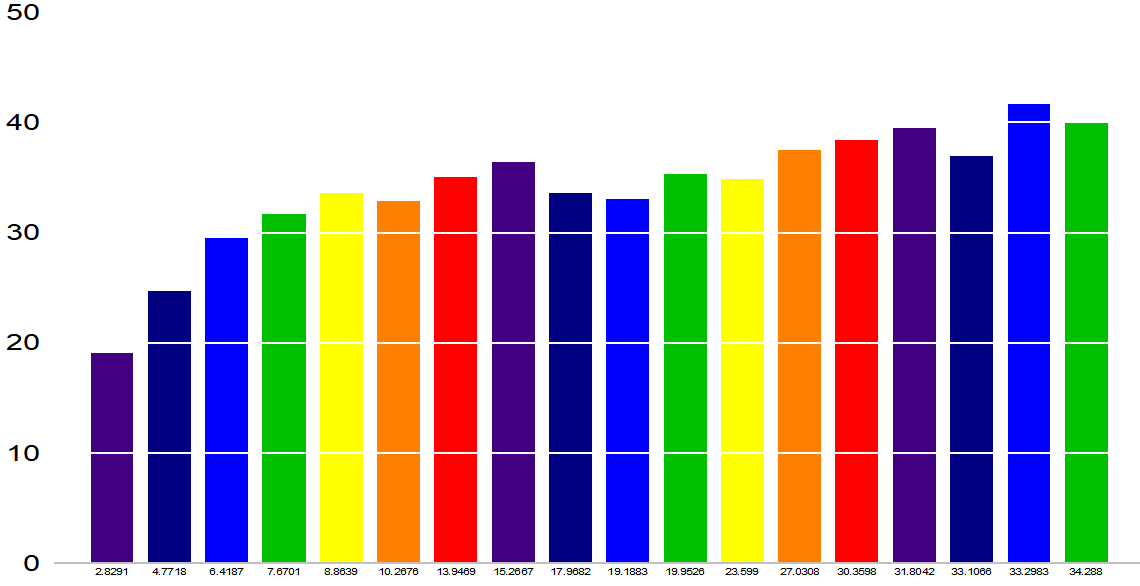
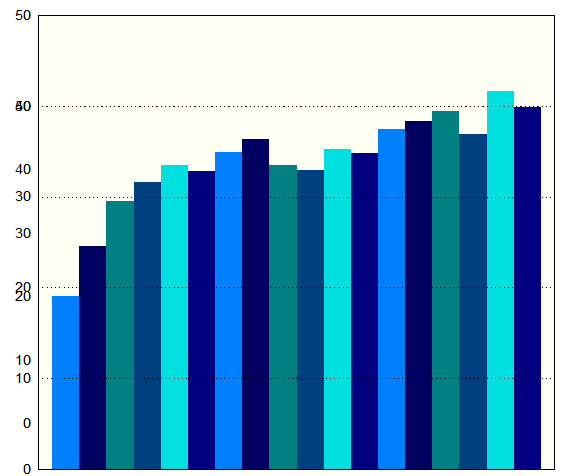
As a result, the new rural collective economy has made it possible to bring together various elements of the community and integrate resources that were previously dispersed within it. Table 1 presents the water consumption figures for 2006, while Figure 8 illustrates the distribution of water consumption across different uses. The following figures present information on total water use and water consumption for agricultural irrigation over the last four years, alongside other agricultural indicators. Figure 9 presents water consumption and total water consumption. Figure 10 illustrates the crop planting layout, Figure 11 presents the cultivation areas of grain and non-food crops, and Figure 12 presents the total agricultural output value.
The new rural collective economy provides competent rural residents and those who are eager to return to their villages with a platform on which to pursue their goals and attract resources that have left the countryside back to their communities. By putting their knowledge and insights into practice, these capable individuals use the new rural collective economy to guide farmers in establishing new industries and developing innovative models of agricultural development. This process allows farmers to recognize the promising future of rural development and encourages more talented young workers to return to their villages and participate in local construction projects.
| Agricultural Irrigation |
Forestry, Animal Husbandry, and Fisheries |
Industry | Domestic Use | Ecological Environment |
Total | |
|---|---|---|---|---|---|---|
| Water consumption (billion m\(^3\)) |
28.42 | 1.80 | 7.91 | 1.55 | 12.18 | 51.85 |
| Share (%) | 54.78 | 3.48 | 15.25 | 2.96 | 23.52 | 100 |
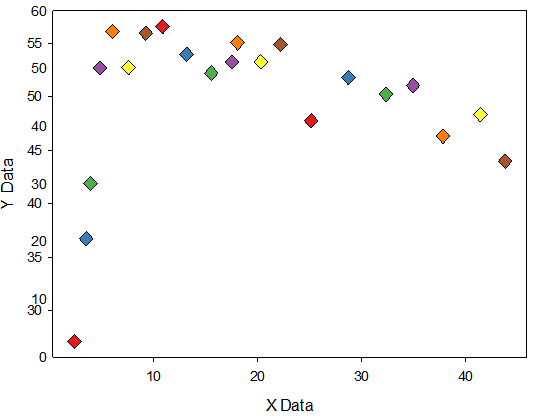
The analysis of rural industries highlights the importance of industrial prosperity from multiple perspectives, including industrial modernization, the development of professional farmers, and agricultural informatization. This approach aligns with China’s overarching strategy of placing “economic development at the core” and addresses the key challenges faced by rural industries. Achieving rural revitalization is a complex task that requires sustained effort and patience, rather than a rush to obtain immediate results. Industrial prosperity is the fundamental prerequisite for rural revitalization because it provides a robust material foundation that supports and drives the development of other sectors, thereby promoting comprehensive and coordinated development throughout rural communities.
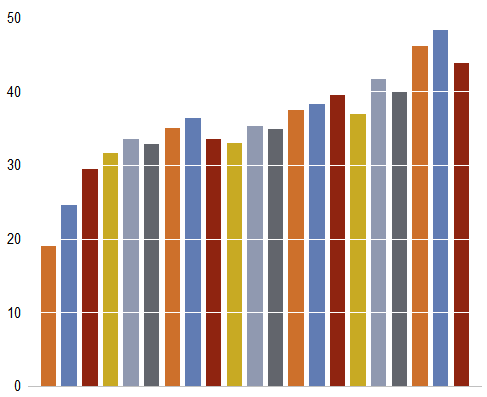
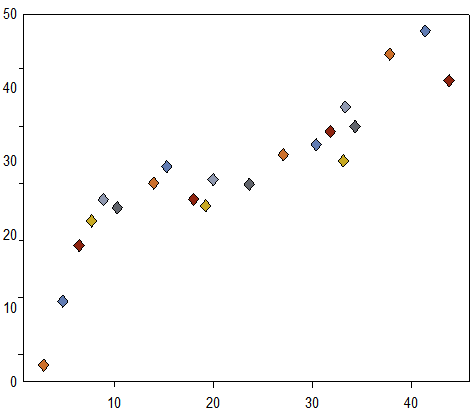
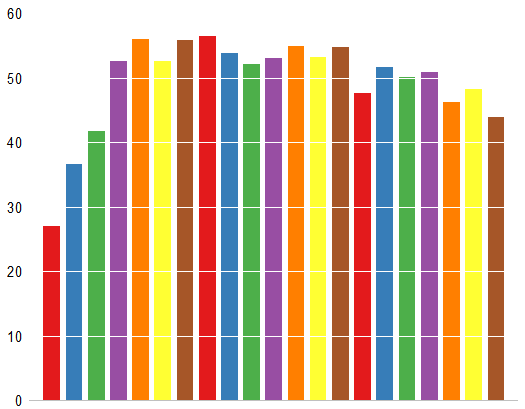
Promoting industrial growth expands employment opportunities for farmers and provides them with a secure means of earning a livelihood. This, in turn, allows greater attention to be given to areas such as spiritual enrichment, cultural advancement, and ecological balance, creating a more holistic development process. Figure 13 presents statistics on the areas of crops affected by disasters in China from 2010 to 2019.
Figure 13 shows that, despite minor increases and decreases occurring every two or three years, the area of crops affected by disasters in China generally declined over the period from 2010 to 2019. Figure 14 presents the direct economic losses associated with natural disasters, providing a related perspective on their economic consequences.
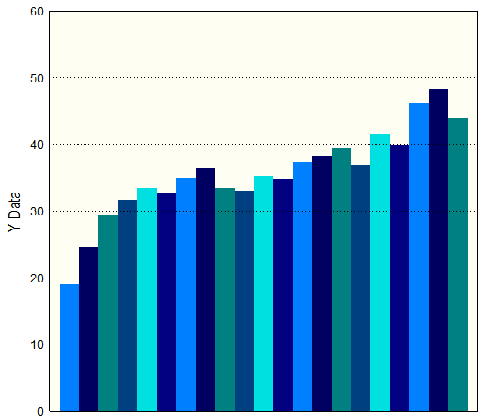
Although the annual grain-sown area in 2019 was 116,064 thousand hectares, the proportion of the area affected by disasters was as high as 21.54%, with the average annual disaster-affected area over the ten-year period from 2010 to 2019 being approximately 25,000 thousand hectares. This percentage remains relatively high, and the considerable extent of the affected area has a major influence on the stability of China’s crop yields. Furthermore, changes in the prices of agricultural products lead to an increase in consumer expenditure and a decrease in consumption levels. Natural disasters caused direct economic losses in China between 2010 and 2018, as shown in Figure 14. The total losses varied considerably over this period, with a slight increase occurring every two or three years, followed by a decline in losses over the subsequent one or two years.
In addition to agricultural loans, investment in agricultural fixed assets is one of the financial inputs through which rural finance supports agricultural development. As shown in Figure 15, the annual growth rate of this investment has fluctuated considerably over the period under consideration, with negative growth recorded in each of the years 2010, 2017, and 2019.
Villagers have recognized the importance of the soft power associated with industry. However, support for resource conservation, environmental protection, and a strong capacity for sustainable development is the lowest among the reported priorities, accounting for 11.63%. This finding indicates that villagers’ awareness of green development is weak and that greater emphasis should be placed on green agricultural development throughout the process of promoting industrial prosperity. Figure 16 illustrates the areas in which government financial support should be allocated to promote industrial prosperity.
This study demonstrates the effectiveness of integrating genetic algorithms and biomechanical optimization to improve nitrogen management within circular agricultural systems. By modeling nitrogen cycles through computational evolution and incorporating biomechanical insights, we developed a multi-level optimization framework that supports resource recycling, energy efficiency, and environmental sustainability. The application of GAs and PSO provided flexible and adaptive strategies for managing complex agricultural processes, significantly reducing nitrogen losses and enhancing crop productivity. Furthermore, the use of big data analytics and hierarchical evaluation revealed key structural patterns in water use, economic investment, and the development of rural industries. The proposed approach connects agricultural engineering with human biomechanical modeling, establishing a unified perspective on the design of sustainable systems. Future work will expand this framework through field validation and more extensive integration with real-time sensing technologies. Overall, this research provides a novel pathway toward achieving ecological intensification and supporting rural revitalization.
Conceptualization, CW and ZL; methodology, CW; software, ZL; validation, CW, ZL, and JY; formal analysis, CW; investigation, CW; resources, ZL; data curation, CW; writing—original draft preparation, CW; writing—review and editing, ZL; visualization, CW; supervision, JY; project administration, JY; funding acquisition, ZL. All authors have read and agreed to the published version of the manuscript.
This research was funded by the Ministry of Education, China, through the 2022 Humanities and Social Sciences Research Planning Fund Project entitled “Research on the Coupling and Coordinated Development of Ecological Protection and Farmers’ Common Prosperity in the Middle and Lower Yellow River Regions” under Grant 22YJA790056 and, in part, by the Shandong Key R&D Plan (Soft Science) Project under Grant 2022RKY06001.
The experimental data used to support the findings of this study are available from the corresponding author upon request.
Not applicable.
The authors declare that they have no conflicts of interest.