
China’s economy is at an important stage of transformation from an “industrialized country” to a “smart industrialized country”, followed by a change in the demand for human resources, that is, from the demand for rough mining talents to the demand for fine talents. However, modern education in China refuses to repeat learning, repels innovation, and does not pursue perfection [1]. Influenced by traditional culture, China’s modern education, especially some higher vocational education, has a utilitarian educational goal, which leads to students’ weak professional awareness, vague goals, lack of motivation to learn, poor habit formation.
Therefore, technical Spirit of Higher Vocational Education is a kind of spiritual concept, which has different connotations in different periods [2]. In the practice of modern reform, in realizing the great rejuvenation of the Chinese nation in all aspects by establishing the vocational education values oriented by higher vocational talents, building the vocational education policy mechanism oriented by higher vocational talents, innovating the school enterprise cooperation system for higher vocational talents cultivation [3]. But few of them can apply the research results to practical teaching. As a result, students who like English learn better, and the polarization is more serious [4], [5]. Multimedia data includes text, image, video and other formats.With the cutting-edge development of brain, more and more interactive computers based on brain and dynamic imagination appear at the moment of history [6].
The brain computer interaction system is used to materialize the students’ motion imagination into the action of a soft robot, give visual feedback to the subjects, enhance the stimulation of the corresponding brain regions, and accelerate the learning speed. Cultivating higher vocational talents is conducive to the systematic reform of modern vocational education. Through strengthening the shaping of vocational spirit and professional character of vocational education students, guide students to establish scientific values and professional outlook, enhance their working thinking of being loyal to the profession, pioneering and innovative, and contributing to society, improve students’ social recognition and professional competitiveness [7]. we can not only seek breakthroughs in theory to make up for the shortcomings of existing research but also can explore new ideas to cultivate more and better vocational talents for the country. Especially in the higher vocational colleges that provide talents for the society, the education requirements are more strict, and the requirements of relevant education methods are also higher and higher [8].
There are more new requirements for teachers, educates and school management. However, according to the traditional teaching mode, it is more difficult to meet the multimedia requirements and standards of teaching to continue teaching English in higher vocational colleges [9]. Therefore, the research in this field will help to explore English innovation. In the context of educational information, especially in teaching methods, higher vocational courses will be of great significance in developing major English languages in higher vocational education. From students’ vocational English learning to constantly changing progress and knowledge, to the development of high-tech, the whole society will enter the stage of rapid employment. The society has the highest requirements and university talent training level [10].
In this process, vocational training colleges specialize in learning English. In order to achieve the goal of employee training, they need to acquire knowledge and skills through more modern learning and information exchange. At present, in terms of talent training methods, classroom teaching has changed from traditional teaching methods to innovative mining methods such as “reverse teaching”, “classroom microbiology” and “school factory”. The realization of these innovative model fulcrums requires the combination of various factors such as the background advantages provided by the social market conditions and the relevant benefit policies, the teaching reform methods of the school, and the specific actual conditions of students, only in this way can its innovation model get practical benefits and social recognition [11]. How vocational English students adapt to and progress in such teaching reform is another significance of this research.
To sum up, english teaching in higher vocational colleges aims and tasks mainly through teaching. Education is the main way of school education and one of the main ways of student development. Teachers should not only understand the teaching of goals and tasks, but also pay attention to whether the teaching has achieved good results.
First, ARCS motivation model has four basic elements: attention, relevance, self-confidence, and satisfaction. These four basic elements are not independent and unrelated, but highly related and progressive. The normalized spatial covariance matrix of data can be expressed as Eq. (1):
Average the covariance matrix of each experiment, and the composite spatial covariance matrix can be decomposed into Eq. (2):
The whitening transformation matrix is obtained as shown in Eq. (3):
We can take the following transformed value of the projected signal as the eigenvalue, as shown in Eq. (4):
Intra group variance and its mean value are calculated, as shown in Eq. (5):
Calculate the relative value of the energy in the motion imagination state and the energy in the reference interval, as shown in Eq. (6):
The concept of ERD/ERS energy coefficient is introduced here, as shown in Eq. (7):
We define the wavelet function as Eq. (8):
Then the continuous wavelet transform integral of the signal is as shown in Eq. (9):
At this point, DWT can be defined as Eq. (10):
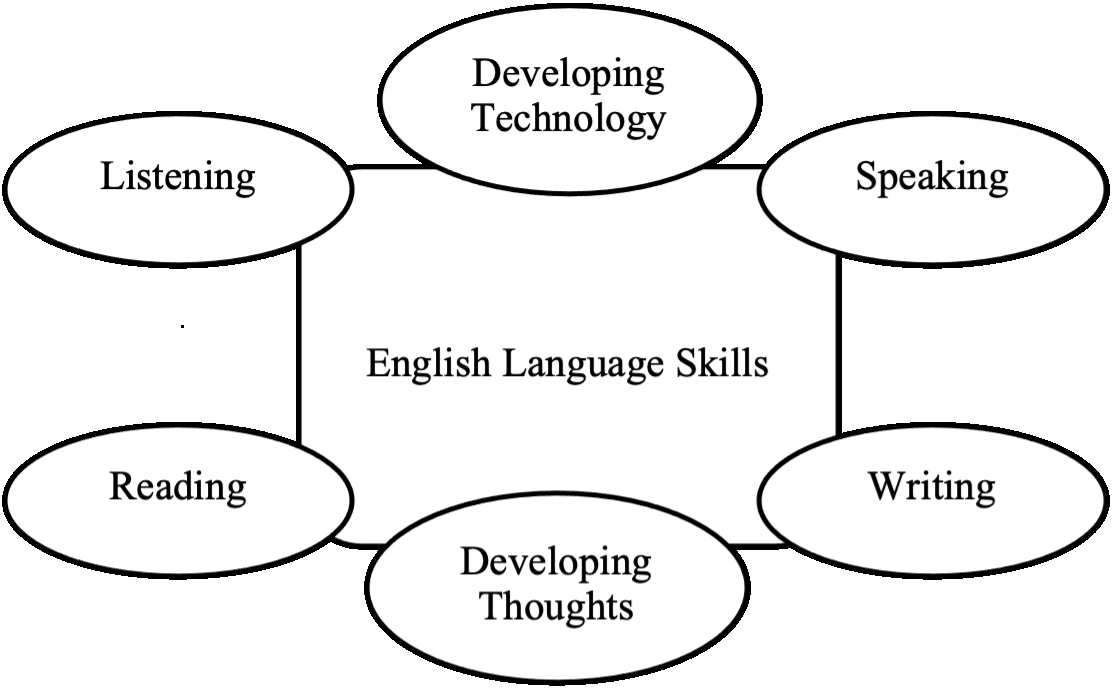
Higher vocational students’ English learning motivation is closely related to English learning effect and has certain guiding significance for the optimization design of English classroom strategies. It can be seen from Figure 1 that the fundamental purpose of English teaching is not to teach grammar knowledge, but to cultivate students’ ability to use language. Language ability is the premise of language use. Without solid language ability, it is impossible to obtain strong language use ability, and it is impossible to use language appropriately and appropriately. The strength of language ability is reflected in the use of language, because having language ability does not mean having the ability to use language. The improvement of language ability promotes the improvement of language application ability, which naturally includes the acquisition and consolidation of language ability. Simply focusing on the mastery of language knowledge will only lead to the neglect of the cultivation and improvement of students’ language application ability.
The ARCS motivation model aims to solve the problem of learners’ learning motivation and specifically focuses on classroom teaching. This document introduces the model into the training design, and proposes the training strategy and training design standardization process. Therefore, this model is also called “incentive arc” to maintain students’ learning motivation. First, students should pay attention before learning. Then, learning motivation is generated through students’ understanding of the relationship between the knowledge they have learned and their own relevance. After completing the learning task, students’ confidence in learning is enhanced and satisfaction is achieved, to achieve a virtuous circle of “excitation maintenance” of learners’ learning motivation, as shown in Figure 2.
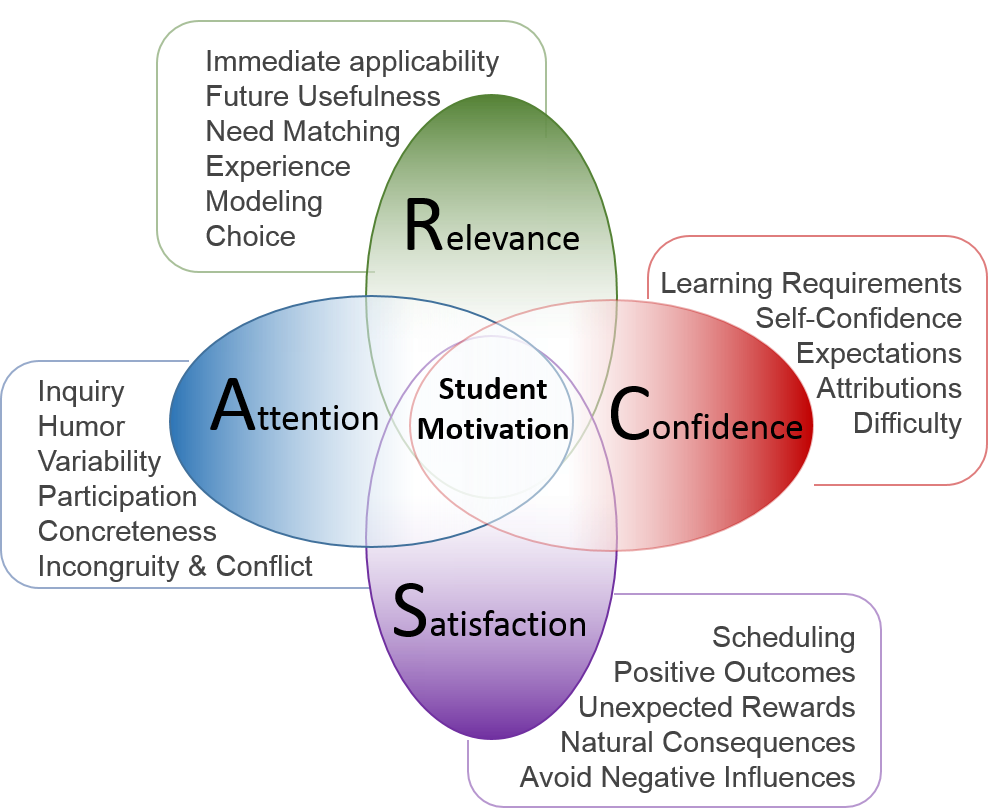
It is divided into four dimensions, and teaching strategies are listed in detail according to sub dimensions under each module. As Table 1, Table 2, Table 3 and Table 4 for details.
| Be Careful | |
|---|---|
| A3 Variability | A3.1 When teaching, use tone change, pause, body language and props |
| A3.2 Change teaching methods according to learners’ attention span (information display, exercise, test, etc.) | |
| A3.3 Change teaching media (forms, films, videos, printing, etc.) | |
| A3.4 Use blank space, graphics, tables, different fonts, etc. to separate printing materials | |
| A3.5 Change the teaching style (humor serious, fast slow, loud low, active passive, etc.) | |
| A3.6 Switch between “teacher student” interaction and “life life” interaction | |
| A4 humor | A4.1 Choose the right time to joke when explaining a lot of information |
| A4.2 Teaching in a humorous way | |
| A4.3 Explain and summarize with humorous analogy | |
| Relevant | |
|---|---|
| R1: experience | R1.1 Clarify how teaching builds on learners’ existing skills |
| R1.2 Use similar experiences of learners in the past to make analogy | |
| R1.3 Identify learners’ interests and connect them with teaching | |
| R2: Future usefulness | R2.1 Clarify the relationship between teaching content and learners’ future activities |
| R2.2 Guide learners to link current learning content with their own future goals (future wheel) | |
| R3: Strengthen contacts | R3.1 Meet students’ emotional needs, increase trust, and establish risk-free opportunities for cooperation and interaction |
| R6.2 Provide a variety of strategies or methods to complete the task | |
| A4.2 Teaching in a humorous way | |
| A4.3 Explain and summarize with humorous analogy | |
| Self-confidence | |
|---|---|
| C1: attribution | Encourage students to speak out the appropriate attribution of success and failure and guide them correctly |
| C2: self-confidence | Learn to maintain a good sense of achievement for the real completion of tasks |
| Satisfied | |
|---|---|
| S1: Natural consequences | S1.1 Let students use the newly acquired skills in the real environment as soon as possible |
| S1.2 Enhance students’ intrinsic pride in completing difficult tasks through oral praise | |
| S2: Positive results | S2.1 Verbally praise learners who have completed tasks or made progress |
| S2.2 Pay attention to individual learners | |
| S2.3 Provide timely and helpful feedback | |
| S2.4 Provide motivational feedback immediately after the task is completed (praise) | |
| S3: scheduling | S3.1 When students learn a new task, they should often provide help |
| S3.2 When students become more motivated to complete a task, they can strengthen it indirectly | |
| S3.3 Adjust the strengthening arrangement in terms of intervals and times | |
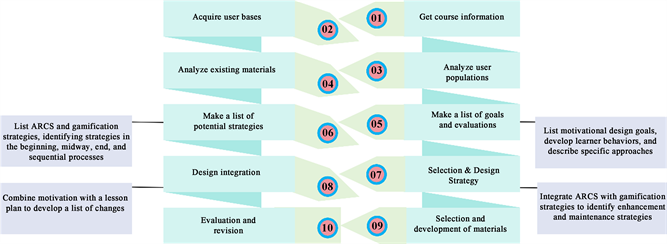
Figure 3 illustrates a systematic instructional design process that integrates the ARCS motivation model with gamification strategies to optimize English teaching in higher vocational education. The process consists of ten interconnected steps across five stages: information acquisition, goal setting, strategy formulation, instructional integration, and evaluation. Steps 01 and 02 involve gathering course information and acquiring user data, while Steps 03 to 05 focus on analyzing learner populations and materials, and establishing instructional goals and evaluation metrics. Steps 06 and 07 propose compiling and selecting motivational strategies tailored to learner behaviors and engagement patterns.
Subsequently, Steps 08 and 09 emphasize integrating these strategies into lesson planning and material development. Finally, Step 10 centers on evaluation and revision to ensure continuous improvement. The design is guided by supporting principles: identifying motivational elements at different instructional phases, aligning learning goals with behavioral outcomes, and applying specific enhancement and maintenance techniques. Through this integrated process, the model provides a robust framework for fostering learner attention, relevance, confidence, and satisfaction, thereby advancing the effectiveness of English instruction in vocational settings.
Figure 4 presents a structured model integrating the ARCS motivational framework with professional competency (PC) assessment in the context of higher vocational English education. The diagram maps four motivational components—Attention, Relevance, Confidence, and Satisfaction—to corresponding instructional strategies and digital tools. Under Attention, methods such as perceptual arousal (e.g., Kahoot, Mentimeter) and variability in delivery (e.g., online classes, flipped classrooms) are employed to engage learners early. Relevance is fostered through familiarity-building tools (e.g., Wikis) and alignment with learner goals via session plans. Confidence is enhanced through clear performance expectations (e.g., whiteboard explanations), success opportunities (e.g., open book tests), and learner control (e.g., faculty feedback). Satisfaction is achieved by combining intrinsic and extrinsic motivators (e.g., Flipgrid, praise) with fairness and transparency in evaluation (e.g., rubrics). These ARCS factors collectively support the development of professional competency, assessed through high-order skills such as critical thinking, digital literacy, and time management, enabled by digital tools like video assignments, HOTS questions, hands-on projects, and quizzes. This integrated model underlines the stepwise progression of learner engagement and skill acquisition across modular units of vocational English teaching, aligning motivational strategies with outcome-based assessments to enhance both instructional quality and learner performance.
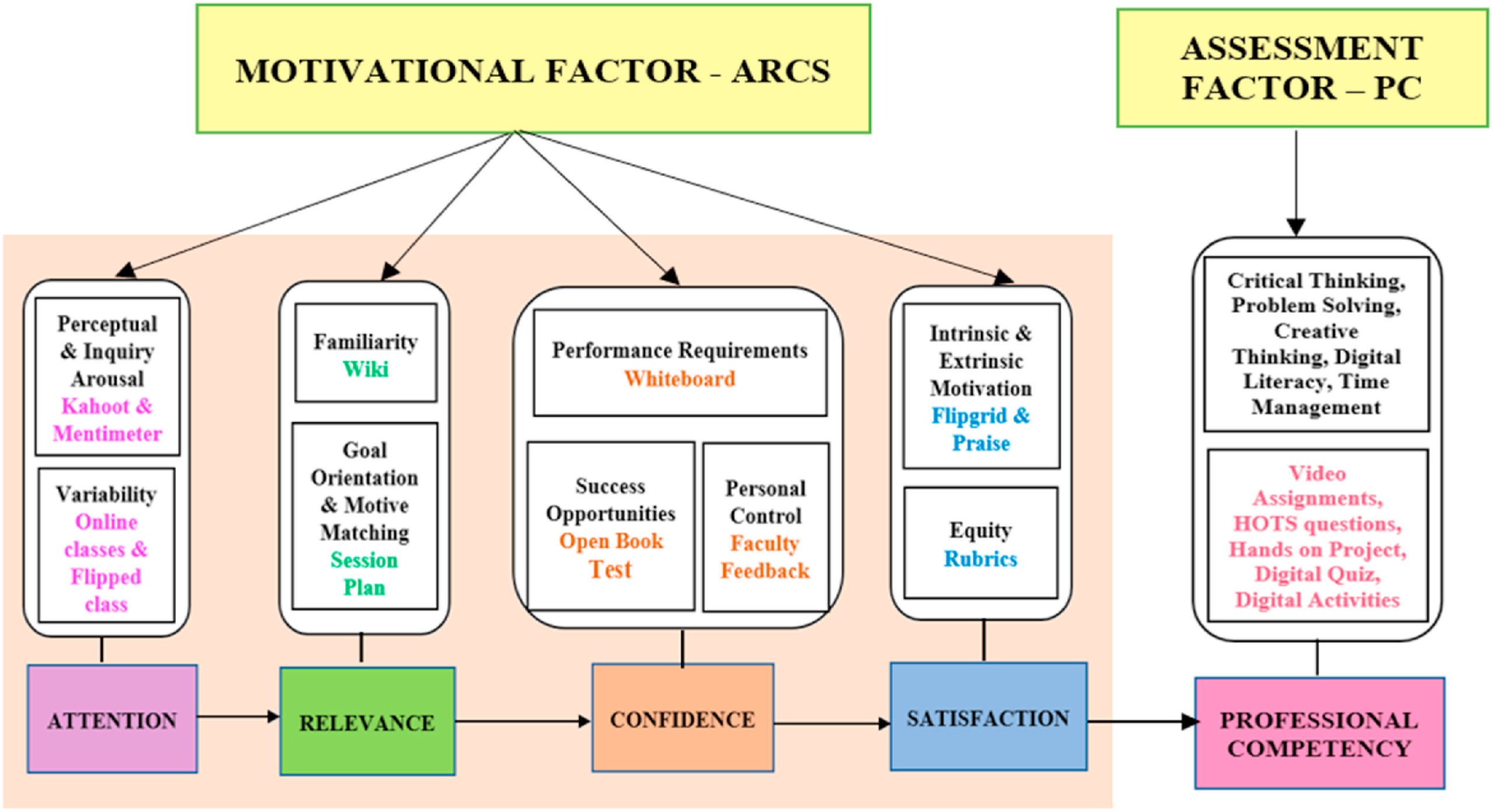
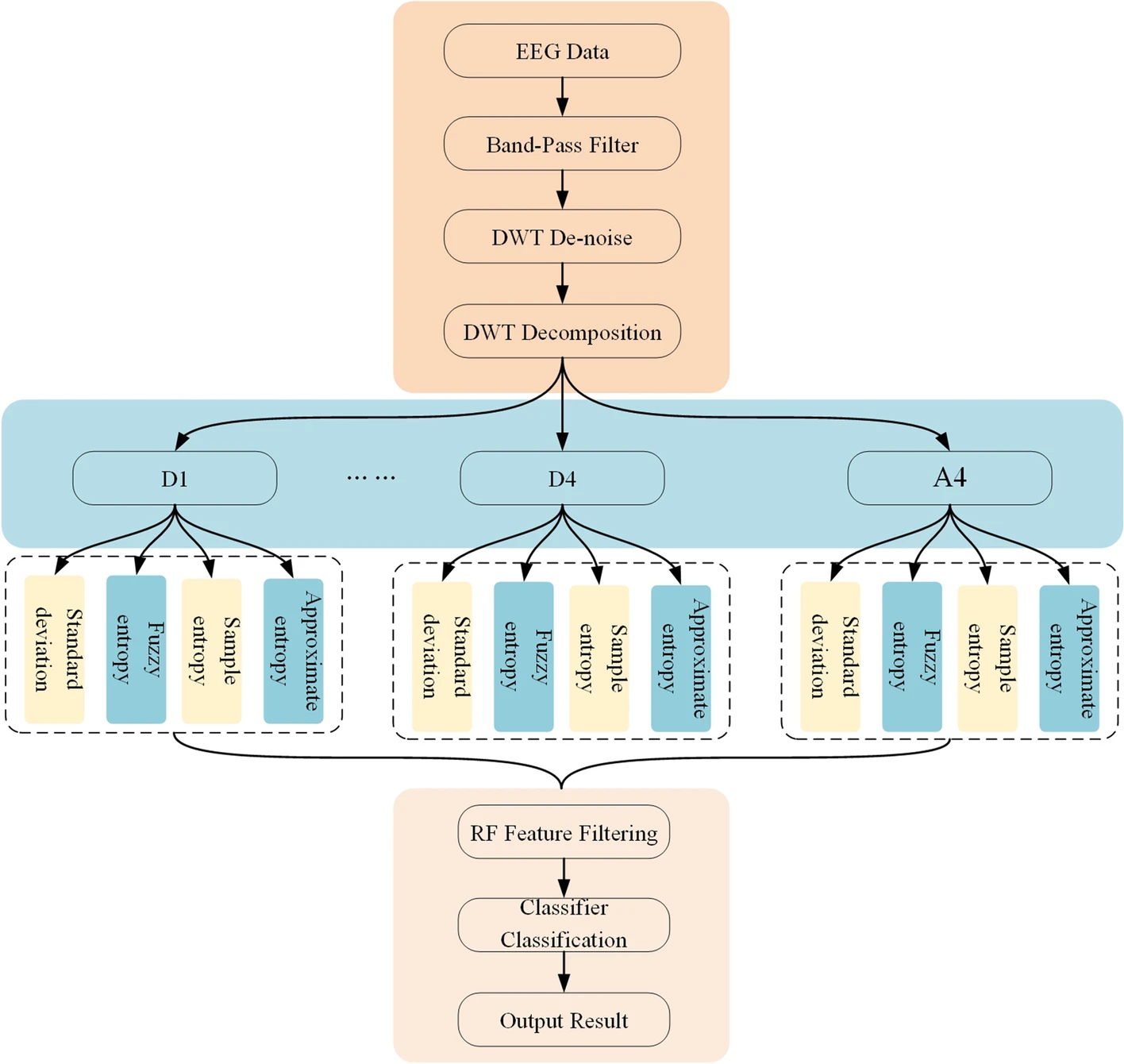
Figure 5 presents an optimized flowchart for classifying EEG signals based on a repeated dichotomy algorithm, where feature extraction is enhanced through Discrete Wavelet Transform (DWT) and classification is performed using Support Vector Machine (SVM). The process begins with raw EEG data undergoing preprocessing steps including band-pass filtering, DWT-based denoising, and signal decomposition into multiple frequency sub-bands (D1–D4 and A4). For each sub-band, four types of entropy-based features—standard deviation, fuzzy entropy, sample entropy, and approximate entropy—are extracted to capture the dynamic complexity of the signal. These multiscale features are then filtered using a Random Forest (RF) method to retain the most relevant attributes, thereby reducing redundancy and improving classification performance. The refined features are subsequently fed into an SVM classifier to produce the final output. This flowchart demonstrates a systematic and noise-resilient approach to EEG-based signal classification, which supports accurate recognition and modeling in cognitive state analysis and intelligent learning environments.
To sum up, the teaching strategies of vocational training schools are relatively independent. The choice of strategies is not always inherent. Therefore, in English teaching and higher vocational research practice, two or more experimental strategies are often used to combine this method. For example, situational teaching strategies have been implemented in the introduction link, text teaching and listening and speaking teaching. The questioning and feedback strategies always run through all aspects of teaching. In short, the improvement of student-centered teaching strategies is closely related to the educational objectives and the effective educational expertise of students in vocational training colleges.
In feature extraction based on CSP, the value of feature logarithm m is extremely important. Too small a value will lead to information loss, thus reducing the classification effect; Too high a value will lead to redundant information and high computational complexity. The value of m generally follows empiricism. Table 3-2 shows the classification results of using CSP for feature extraction from 1 to 10. The classification accuracy rate shows a trend of first rising and then declining. When m=7, the classification accuracy of the training set back generation has reached 100%. However, the classification accuracy on the training set rises first (reaches the maximum when m=5) and then continues to decline, showing a state of constant fluctuation. Using the data in Table 5 to draw a line Figure 11, we can find this trend more clearly. Therefore, we generally select the m value corresponding to the highest classification accuracy of the test set when the training set classification accuracy has not reached 100%.
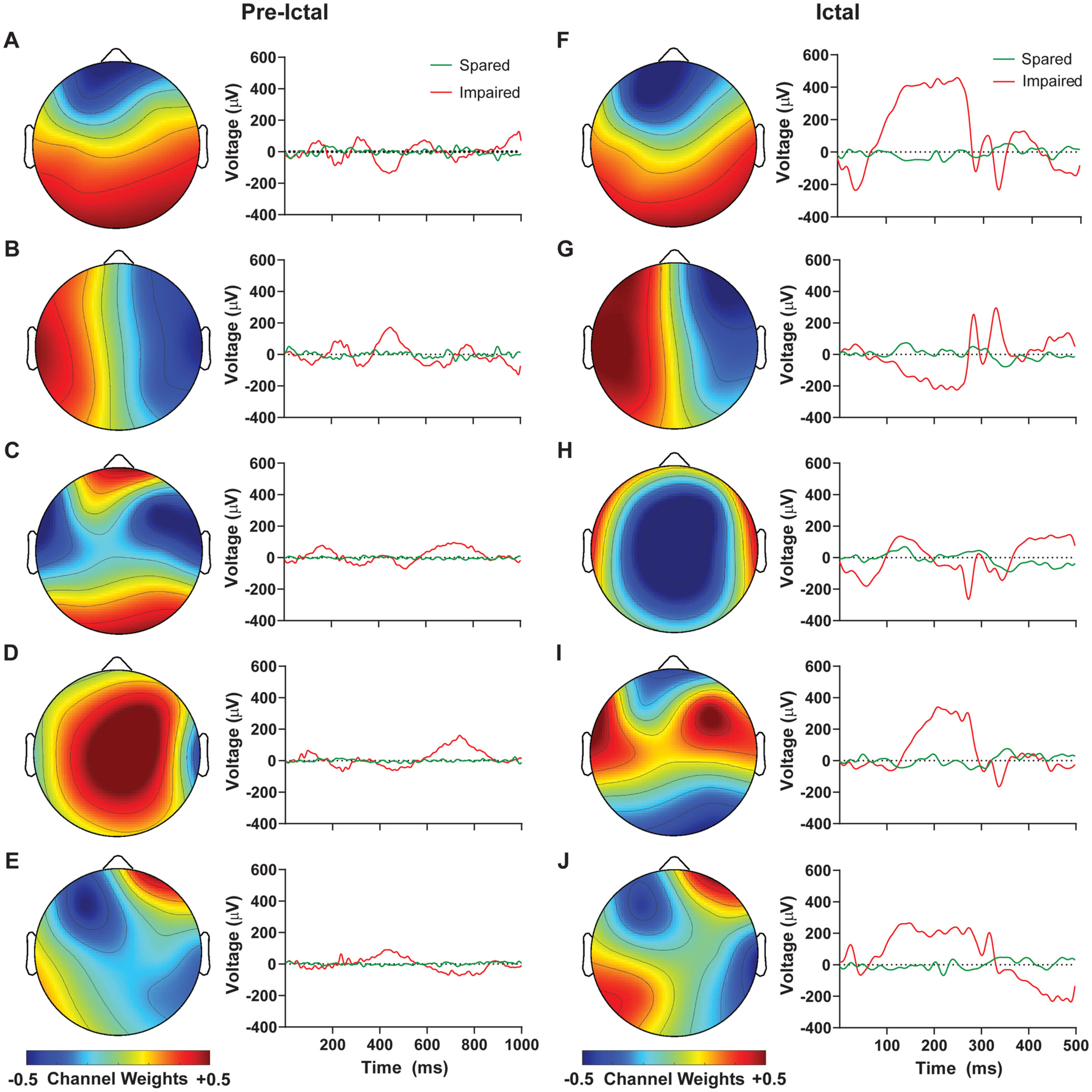
Figure 6 displays the comparative brain activity of students classified as “Spared” versus “Impaired” in terms of their performance in English learning tasks, using EEG topographical maps and time-voltage plots under two distinct cognitive states: Pre-Ictal (left panels A–E) and Ictal (right panels F–J). The topographical heatmaps visualize scalp-wide EEG channel weights, where red indicates high activation and blue indicates low activation. Accompanying each scalp map is a corresponding time-series plot showing voltage fluctuations (in \(\mu\)V) across time (ms) for both groups—green representing the “Spared” (better-performing) learners and red representing the “Impaired” group. In the Pre-Ictal state, EEG patterns reveal relatively stable and low-amplitude activity for both groups, though subtle differences in frontal and parietal regions (Panels A–E) suggest early divergence in cognitive engagement, particularly in learners exhibiting impaired comprehension. In contrast, the Ictal state reveals significantly heightened and spatially differentiated brain activity in the impaired group (Panels F–J), characterized by large voltage shifts and elevated activation in frontal and occipital regions, possibly indicating cognitive overload or neural inefficiency during high-demand English tasks (e.g., listening or grammar integration) [12].
| m | A | B |
|---|---|---|
| 1 | 50.01% | 47.89% |
| 2 | 79.45% | 80.01% |
| 3 | 89.45% | 82.79% |
| 4 | 95.57% | 82.23% |
| 5 | 98.34% | 90.01% |
| 6 | 98.89% | 85.57% |
| 7 | 100% | 86.68% |
| 8 | 100% | 86.62% |
| 9 | 100% | 85.57% |
| 10 | 100% | 84.45% |
Note: A in the table represents the training accuracy in the training data, and B represents the test accuracy in the test data
“Passing CET-4 and CET-6” is the biggest motivation for vocational college students to learn English. “To find a good job” and “to be able to communicate daily” rank second and third respectively, as shown in Figure 7. By improving teachers’ classroom teaching strategies, we can help students master vocabulary learning skills in the classroom, and on this basis, we can take measures to improve students’ listening, writing, reading and translation abilities. In addition, the employer’s expectation of the interviewee’s English is nothing more than that the interviewee can speak English fluently.
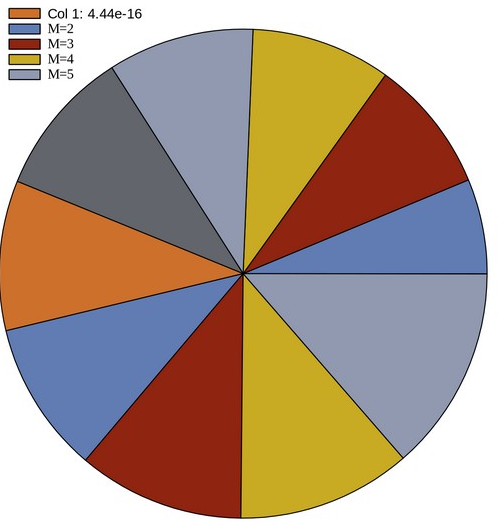
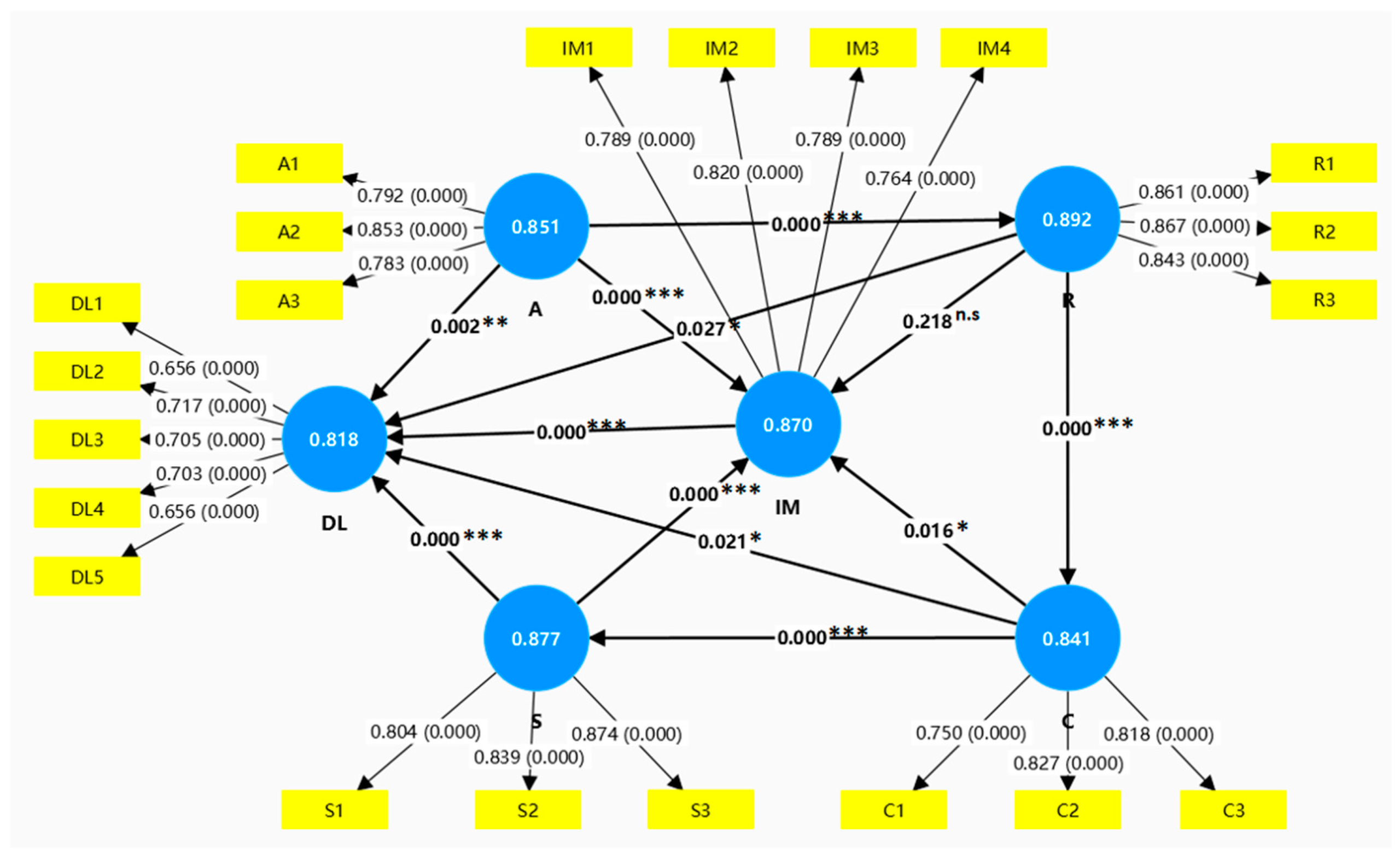
Figure 8 presents a structural equation model (SEM) that explores the interrelationships among key latent variables influencing English learning effectiveness in higher vocational education, including Attention (A), Digital Literacy (DL), Instructional Motivation (IM), Satisfaction (S), and Confidence (C). These latent constructs are linked to multiple observed indicators (e.g., A1–A3, DL1–DL5, IM1–IM4, etc.), reflecting students’ behavioral and attitudinal responses. The model reveals that both attention (\(\beta = 0.851\), \(p < 0.001\)) and digital literacy (\(\beta = 0.818\), \(p < 0.001\)) significantly predict instructional motivation, while digital literacy also strongly impacts satisfaction (\(\beta = 0.877\), \(p < 0.001\)). Instructional motivation serves as a central mediator, exerting significant influence on both satisfaction (\(\beta = 0.870\), \(p < 0.001\)) and confidence (\(\beta = 0.870\), \(p 0.05\)), its effect is channeled through motivation. Confidence is further shaped by satisfaction (\(\beta = 0.841\), \(p < 0.001\)), completing a dynamic feedback loop. This model supports the integrated use of motivational frameworks (e.g., ARCS model), digital tools, and learner-centered design to enhance students' engagement, emotional experience, and English learning outcomes in vocational education contexts.
Figure 9 illustrates the spectral amplitude distributions of EEG signals recorded from six motor-related electrode sites (C3, Cz, and C4 on both left and right hemispheres) during English learning tasks, highlighting neural activity differences in frequency bands relevant to cognitive effort and sensorimotor processing. Subfigure (A) represents data from the left hemisphere (C3, Cz, C4), and Subfigure (B) shows the corresponding right hemisphere signals. Each subplot compares the amplitude spectra across five feature extraction modes—raw power (\(P^x\)), relative power differences (\(P^x – \bar{P}^x\)), additive combinations (\(P^x + \bar{P}^x\)), and baseline means (\(\bar{P}^x\))—to analyze brain activation patterns. Prominent peaks are observed in the 8–13 Hz (alpha) and 13–30 Hz (beta) frequency bands, which are commonly associated with language processing, attention modulation, and motor planning—critical components in receptive and productive English skills (e.g., listening and speaking exercises).
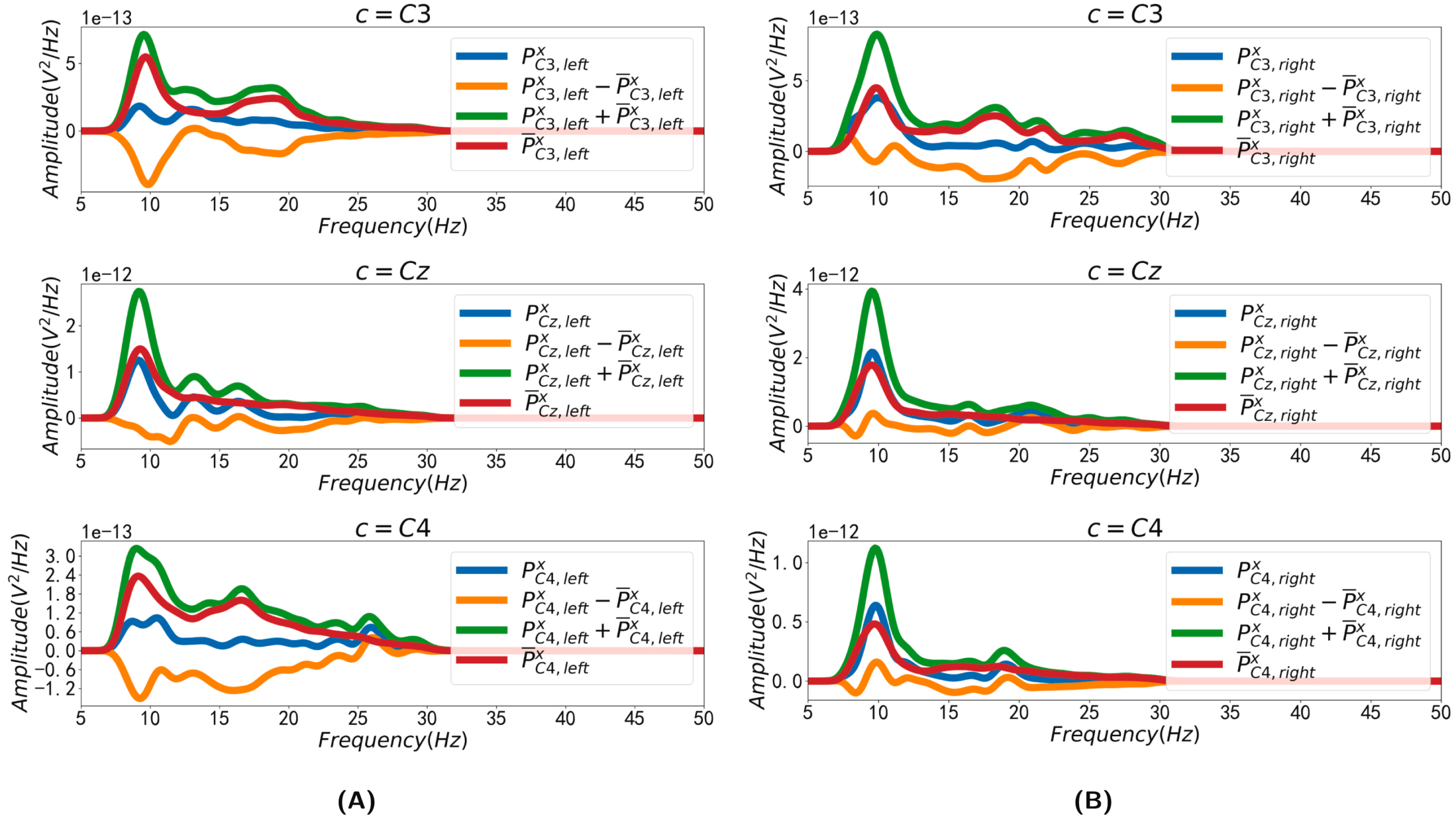
Figure 10 presents a comprehensive frequency-domain analysis of EEG signals collected from motor cortex electrodes (C3, Cz, and C4), comparing left and right hemisphere activity during English learning tasks through four subfigures (A–D). Subfigure (A) displays the spectral amplitude differences between hemispheres (e.g., \(P^X_{\text{left}} – \bar{P}^X_{\text{right}}\)), highlighting dominant alpha-band activity (8–13 Hz) in the left hemisphere, associated with language comprehension and semantic processing. Subfigure (B) illustrates additive combinations of bilateral signals, indicating increased total activation when both hemispheres are engaged, reflecting integrated neural effort during tasks like speaking or reading. Subfigure (C) reverses the subtraction direction to emphasize right-hemisphere contributions, particularly in beta-band responses, which may relate to prosodic or emotional elements of language use. Subfigure (D) reinforces this bilateral activation pattern through combined right+left signal analysis. Together, the four panels demonstrate that English learning engages both hemispheres across multiple frequency bands, especially in tasks requiring attention, memory, and motor coordination.
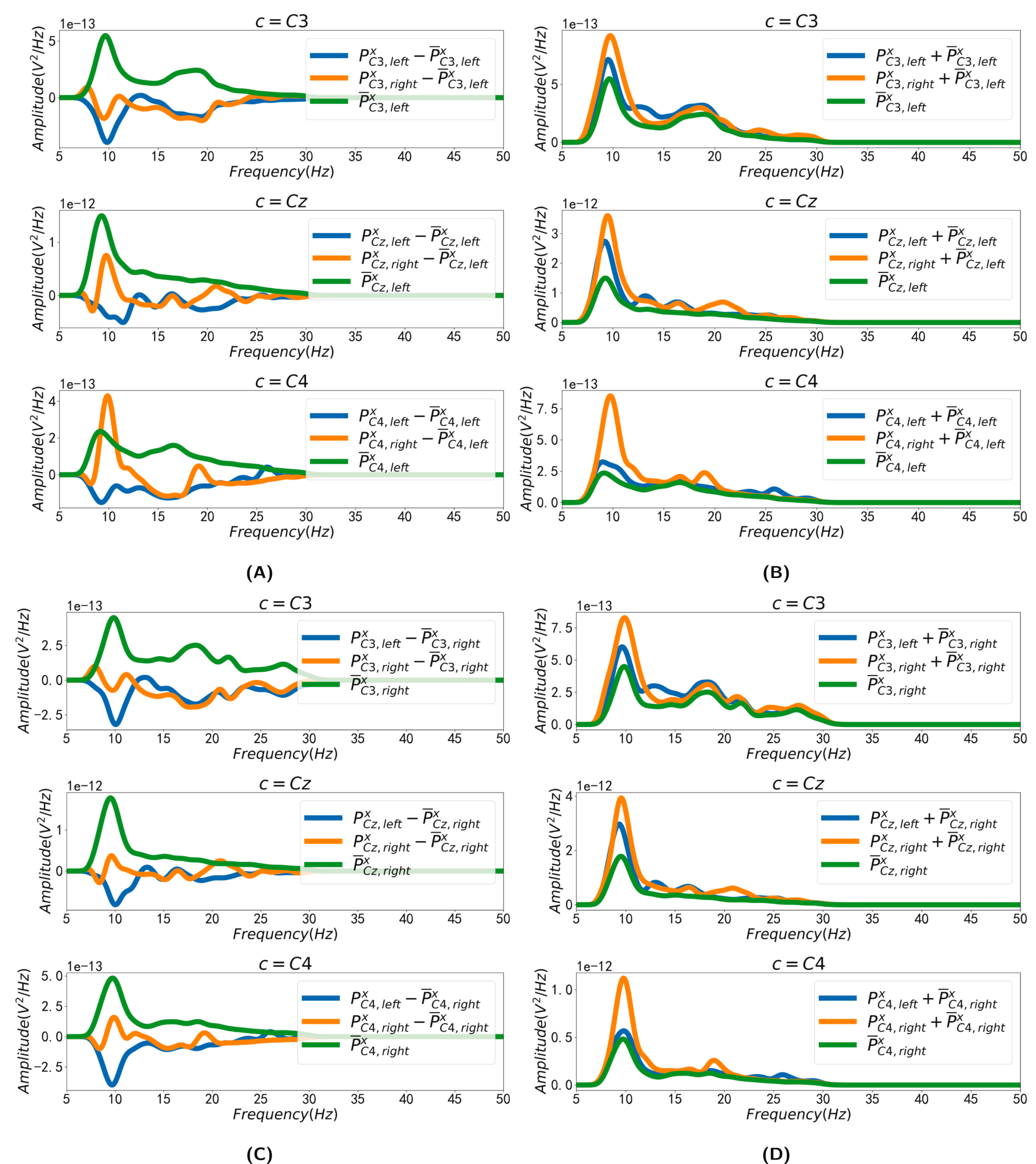
Figure 11 illustrates the distribution of student proficiency levels in six core English language skills—Vocabulary, Writing, Reading, Grammar, Speaking, and Listening—categorized into five levels: Basic, Acceptable, Null, Good, and Excellent. The horizontal stacked bars represent both the count and percentage of students at each level for every skill.The results reveal that the majority of students rate themselves as either “Good” or “Excellent” in Vocabulary (28.21% Good, 40.17% Excellent), Writing (17.95% Good, 36.75% Excellent), and Grammar (14.53% Good, 37.61% Excellent), indicating relatively strong lexical and structural competence. Speaking and Listening also show encouraging levels, with 32.48% and 33.33% of students, respectively, identifying as “Good,” and an even higher percentage identifying as “Excellent” (38.46% and 29.06%). Notably, Reading has the highest combined percentage of “Acceptable” and “Good” responses (30.77% and 26.50%), reflecting a balanced yet slightly less confident skill set compared to others.Across all skills, the “Null” level remains consistently low (between 1.71% and 11.11%), suggesting a generally active engagement with English learning among the surveyed population.
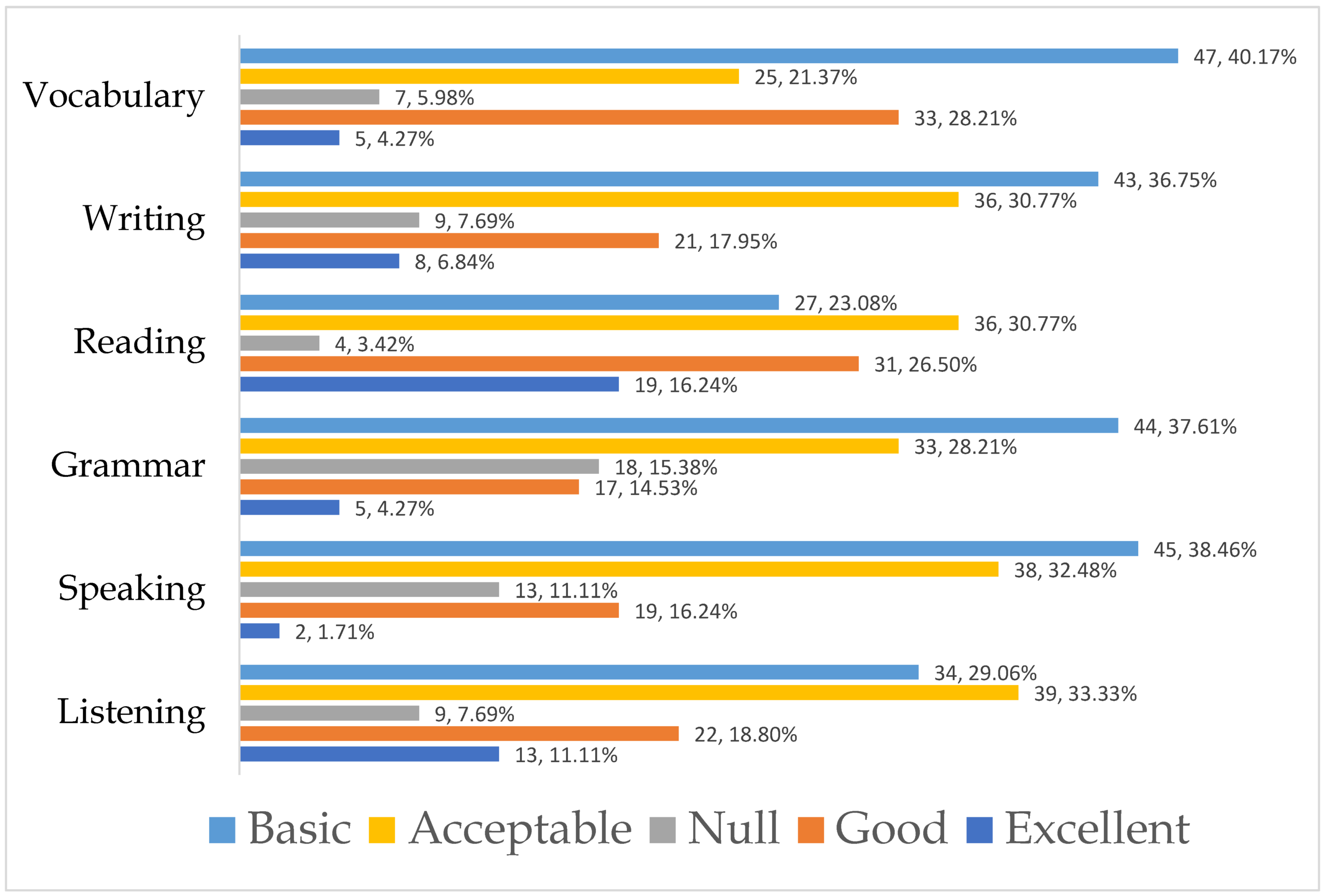
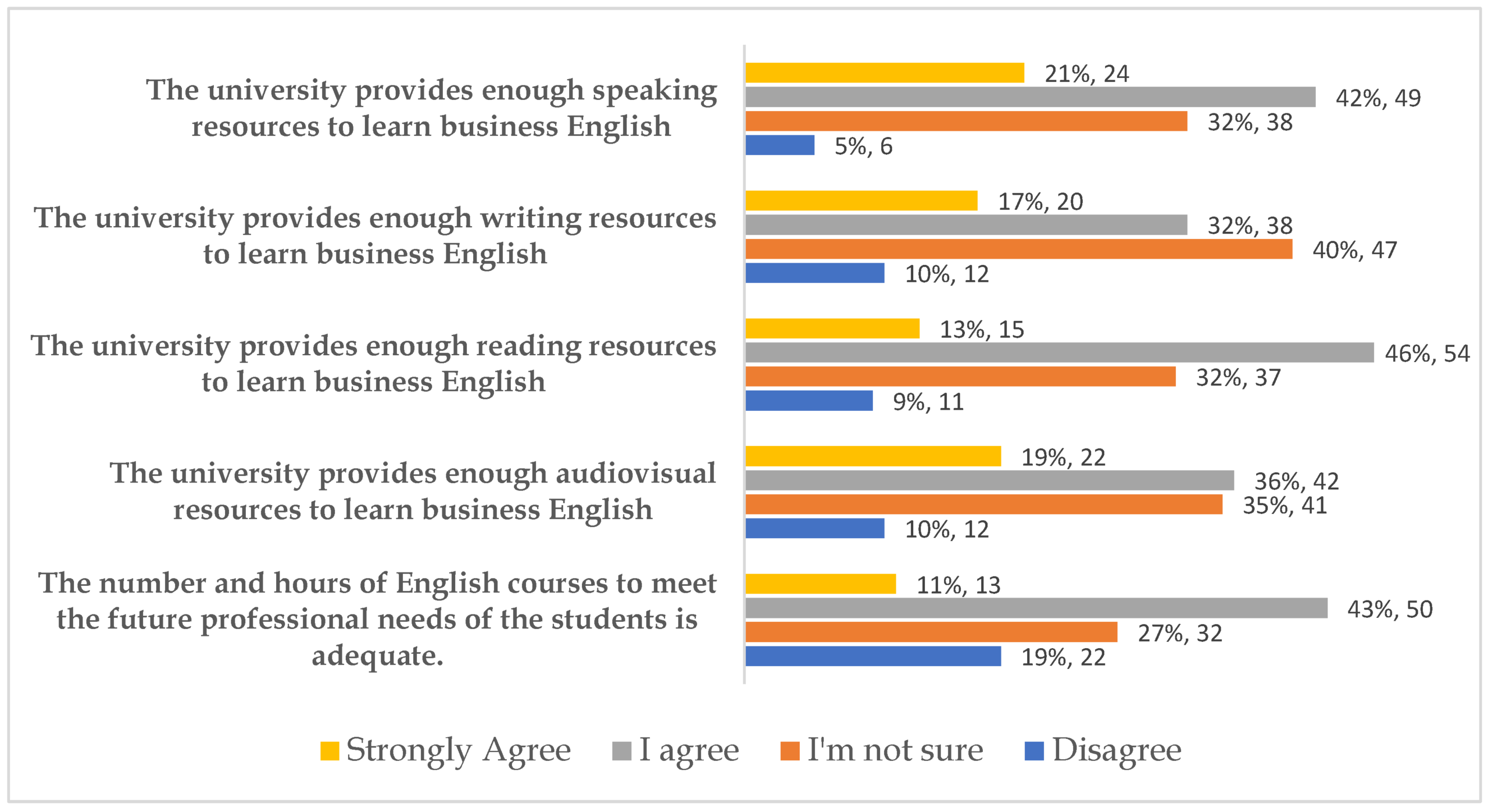
Figure 12 presents a survey-based evaluation of students’ perceptions regarding the adequacy of university-provided resources and course hours for learning business English. Responses are categorized into four options: Strongly Agree, Agree, I’m Not Sure, and Disagree, covering five core aspects: speaking, writing, reading, audiovisual resources, and overall course sufficiency. The data reveal that while 21% of students strongly agree and 32% agree that there are sufficient speaking resources, a notable 42% still disagree, suggesting a significant perceived shortfall in oral practice opportunities. Similarly, for writing resources, 17% strongly agree and 32% agree, but 40% disagree, indicating that writing support is also seen as inadequate. The trend continues in reading resources, where despite 13% strong agreement and 32% agreement, nearly 46% of students disagree, marking reading as the area with the highest dissatisfaction. For audiovisual resources, responses are slightly more balanced, with 19% strongly agreeing and 36% agreeing, yet 35% still express disagreement. Notably, when asked about whether the overall number and hours of English courses meet future professional needs, only 11% strongly agree and 27% agree, while 43% disagree—revealing the highest level of concern among all items surveyed.
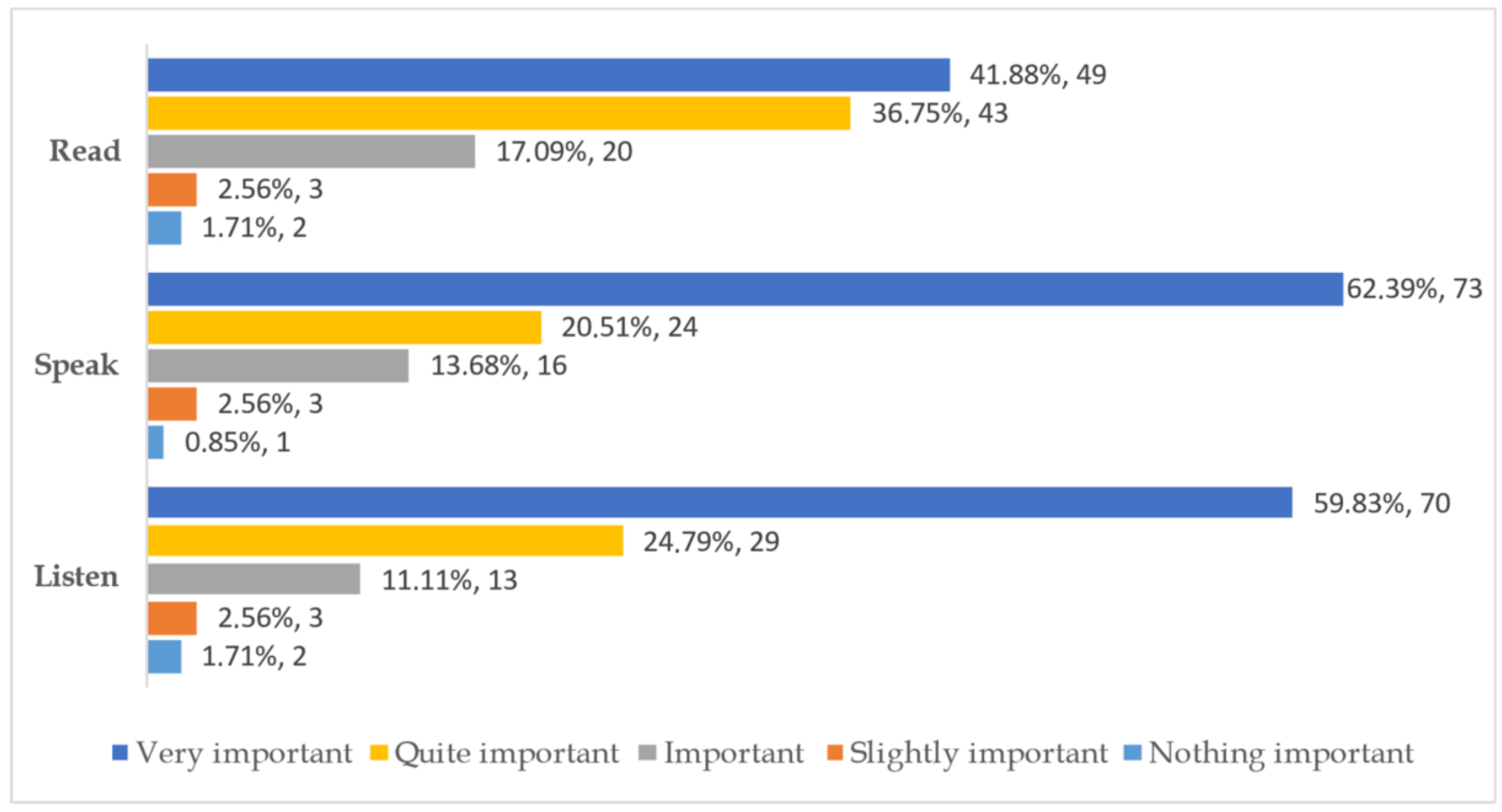
Figure 13 illustrates students’ perceptions of the importance of three fundamental English language skills—Reading, Speaking, and Listening—within the context of their higher vocational education and professional development needs. Responses are categorized into five levels: Very Important, Quite Important, Important, Slightly Important, and Nothing Important. Among the three skills, Speaking is perceived as the most crucial, with 62.39% of respondents rating it as “Very Important” and another 20.51% rating it as “Quite Important,” highlighting the critical role of oral communication in workplace-oriented English use, such as interviews, presentations, and client interactions. Listening follows closely, with 59.83% identifying it as “Very Important” and 24.79% as “Quite Important,” underscoring the need for effective comprehension of spoken English in real-time professional contexts like meetings or training sessions. Although slightly lower, Reading is still highly valued, with 41.88% considering it “Very Important” and 36.75% “Quite Important,” reflecting its relevance in understanding business reports, instructions, and technical documents. Across all three skills, very few students marked them as “Slightly Important” or “Nothing Important,” indicating a general consensus on the necessity of language proficiency for vocational success.
Through the above experiments, we found that the classification effect of feature extraction using CSP is the best, up to 93%. However, it is highly dependent on the frequency bandwidth, so the choice of frequency domain is extremely important. The ERD/ERS phenomenon is the most obvious feature of motor imagery EEG signals, which can also be used to complete classification. To explore the classification effect of using WPECSP for feature extraction and SVM for classification, the experimental results of three methods, namely, directly using common space pattern (CSP), combining wavelet packet decomposition to extract approximate entropy with common space pattern (WPDCSP), extracting approximate entropy feature after wavelet packet decomposition, and combining CSP feature with ERD/ERS energy coefficient feature (WPECSP), are compared. The results are shown in Table 6.
| m | Four level wavelet packet decomposition | Six layer wavelet packet decomposition | CSP | ||
|---|---|---|---|---|---|
| WPDCSP | WPECSP | WPDCSP | WPECSP | ||
| 1 | 91.12% | 88.34% | 94.45% | 93.34% | 43.89% |
| 2 | 92.79% | 92.23% | 92.79% | 92.23% | 73.89% |
| 3 | 92.23% | 91.68% | 93.89% | 93.89% | 77.79% |
| 4 | 93.89% | 93.89% | 93.89% | 93.89% | 86.12% |
| 5 | 95.57% | 96.12% | 96.68% | 97.23% | 89.45% |
| 6 | 95.57% | 95.57% | 96.12% | 95.57% | 92.79% |
| 7 | 93.89% | 95.01% | 96.12% | 96.12% | 91.12% |
| 8 | 93.89% | 93.89% | 95.57% | 95.01% | 90.57% |
| 9 | 93.34% | 93.84% | 95.01% | 94.45% | 89.45% |
| 10 | 93.34% | 93.34% | 95.01% | 92.79% | 88.34% |
| 11 | 93.34% | 93.89% | 94.45% | 94.45% | 89.45% |
| 12 | 93.89% | 93.89% | 94.45% | 93.34% | 89.45% |
| 13 | 93.89% | 93.89% | 93.89% | 92.79% | 88.99% |
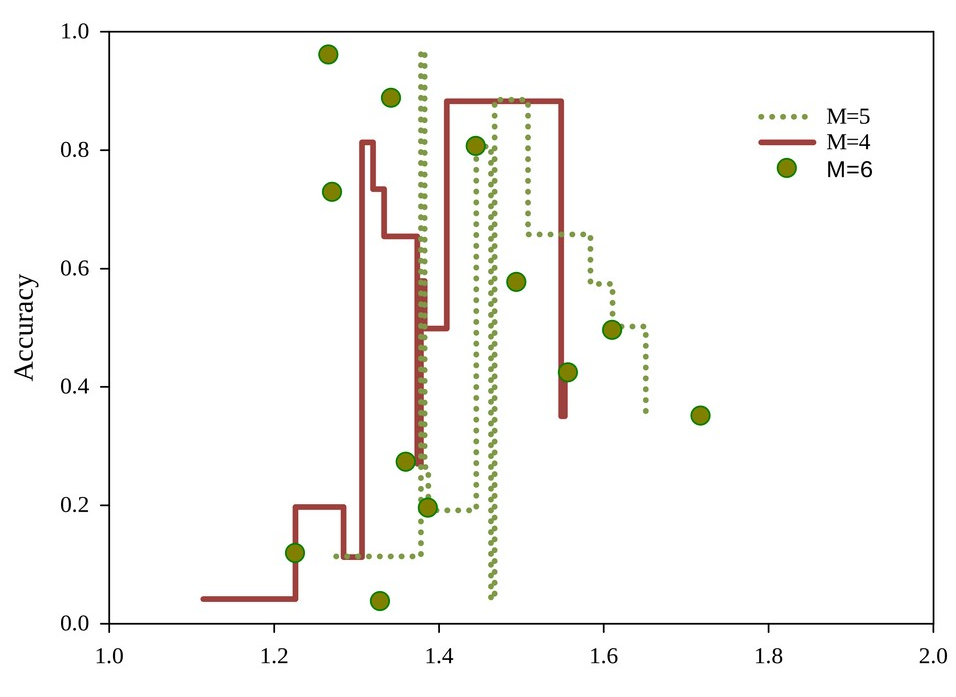
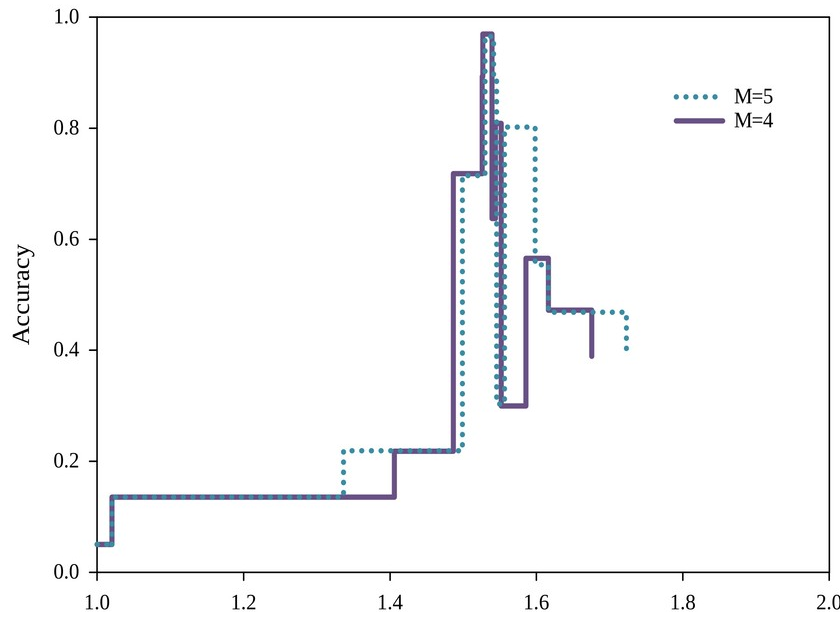
Comparing WPDCSP and WPECSP, the difference between the two methods is whether the ERD/ERS energy coefficient feature is introduced. The results show that the overall classification accuracy of WPECSP is slightly higher than that of WPDCSP, which further proves the effectiveness of adding ERD/ERS energy coefficient feature. Figure 14 can more clearly reflect the differences between several methods.
The experimental results are as Table 7. Before implementing effective teaching strategies, t-values’ understanding of problems, teachers’ attitude towards problems and English teaching were<0.05-1.415-0.040 and 0.833 respectively. These results show that there is no significant statistical difference in these three aspects before the implementation of effective teaching strategies.
After implementing the improvement strategy, a separate sample was used for testing to control the differences in three aspects and one category of behavior in the experimental stage. As shown in Table 8, the production results are English values at the experimental stage. The teachers’ attitudes towards questions and English teaching are 8.461.421 and 5.230 respectively, both below 0.01. This shows that after the implementation of effective teaching strategies, the two categories have very different attitudes towards teacher problems and English teaching. On average, the second questionnaire is higher than the three aspects in the experimental stage.
| class | Number of people | Average | standard deviation | T | P | |
|---|---|---|---|---|---|---|
| Recognition of English classes | Experimental class | 93 | 7.28 | 2.463 | 1.415 | .159 |
| Control class | 96 | 6.85 | 1.889 | |||
| Attitude towards teachers’ questions | Experimental class | 93 | 7.41 | 3.557 | -.041 | .969 |
| Control class | 96 | 7.43 | 3.619 | |||
| Learning attitude in English class | Experimental class | 93 | 7.78 | 2.405 | -.834 | .407 |
| Control class | 96 | 8.07 | 2.449 |
| class | Number of people | Average | standard deviation | T | P | |
|---|---|---|---|---|---|---|
| Recognition of English classes | Experimental class | 93 | 10.52 | 3.113 | 8.462*** | .000 |
| Control class | 96 | 7.19 | 2.264 | |||
| Attitude towards teachers’ questions | Experimental class | 93 | 10.09 | 4.433 | 3.422** | .001 |
| Control class | 96 | 8.15 | 3.439 | |||
| Learning attitude in English class | Experimental class | 93 | 10.11 | 3.533 | 5.231*** | .000 |
| Control class | 96 | 7.83 | 2.407 |
Teachers’ teaching methods have improved students’ English classroom learning behavior. Through two experiments, the corresponding P value had a significant difference. First, in the teaching strategy optimization practice of the experimental class, the teaching strategy is always optimized with the purpose of inspiring students and promoting students’ thinking. Constructivism theory emphasizes that teachers should help students actively understand new knowledge and construct new cognition based on their existing knowledge structure through corresponding means. The recognition accuracy of the three methods for judging the final output category of the test data set is converted into a line chart as shown in Figure 15, so that the three methods can be compared intuitively. We can compare the three methods more intuitively.
During the research, it was observed that in the group discussion or question answering link, the later the study, the higher the students’ enthusiasm. After optimizing the strategy, the students who always waited for the teacher to release the answers began to think with their brains; Some students who were originally silent began to participate in group discussions. The students’ classroom learning behavior has undergone positive changes, and the learning atmosphere in the whole English classroom has become active. Building a team of “teachers’ higher vocational technology” is a necessary condition for vocational education to cultivate “higher vocational technology oriented” skilled talents. As the cultivator of “higher vocational technology oriented” skilled talents, the implementer and promoter of vocational education teaching, we should first have all the elements contained in “higher vocational technology spirit”, and earnestly assume the responsibility and mission of education, guidance, and demonstration. The construction of vocational education curriculum system is an important link for vocational colleges to cultivate modern “higher vocational technical” skilled talents. In the design of vocational education curriculum system and teaching practice, the concept of “higher vocational technical spirit” should be injected, and the combination of practicality, progressiveness, interest, and interaction should be adhered to. The goal of cultivating “higher vocational technical” skilled talents should run through the whole process of vocational education and teaching.
Vocational English education is an important part of China’s education system of education closely related to enterprise development, scientific and technological progress, and social prosperity. This study builds a model of English teaching optimization and colleges under the application of multimedia analysis and brain computer interaction and carries out parameter optimization and regression analysis on the model. The results show that the results of the effective teaching classroom contrast experiment of two classes in one semester are positively related to the optimization of teaching strategies. The accuracy of the model experiment is greater than 93.89%. T-values Independent English Test Example, attitude when facing teachers’ questions, and learning attitude are respectively 8.461, 3.421, and 5.230. The value below 0.01 indicates that the best bracket model can effectively improve students’ professional skills.
Xi’an Fanyi University Key Research Project: A Comparative Study on the Poetic Aesthetics of Edgar Allan Poe and Emily Dickinson (Grant Number: 23A02].
All authors reviewed the results, approved the final version of the manuscript and agreed to publish it.
The experimental data used to support the findings of this study are available from the corresponding author upon request.
The authors declared that they have no conflicts of interest regarding this work.