
I. Introduction
Obesity is characterised by abnormal or excessive fat accumulation that poses a health concern and is defined as a body mass index of 30 or higher. Globally, the proportion of children and adolescents aged 5 to 19 quadrupled from 2% to 8% between 1990 and 2022, while the proportion of adults aged 18 and over more than doubled from 7% to 16% (https://www.who.int/health-topics/obesity#tab=tab_1). In 2016, the World Health Organisation (WHO) developed a global action plan to halt the rise in obesity prevalence by 2025 [1]. Although these conditions were previously considered exclusive to high-income nations, they are now found in every region, with the highest prevalence in some middle-income nations (https://www.who.int/health-topics/obesity#tab=tab_1). The prevalence of obesity in Bangladesh increased from 1.7% to 25.6% among adolescents and from 1% to 23% among children since 1998 [2]. Genetic factors account for just around 33% of the variation in body weight [3], while environmental factors, including lifestyle and socioeconomic influences, play a significant role. Obesity is becoming increasingly common in cities of Bangladesh due to a lack of playgrounds, a decline in physical exercise, a sedentary lifestyle, and changes in dietary habits, particularly an increase in energy-rich fast-food consumption [4]. It is a significant public health concern, contributing to the development of numerous non-communicable diseases such as hypertension, diabetes, asthma, arthritis, and degenerative diseases, which affect various health impairments, including cardiovascular disease, Type 2 diabetes, musculoskeletal conditions, and an increased risk of dying from cancers of the colon, rectum, oesophagus, liver, gallbladder, pancreas, and kidney [5]. Obesity and overweight significantly impact healthcare systems, and obese individuals incur 30% more medical expenses than those of normal weight [6].
Bariatric surgery, medication, behavioural modifications, and dietary changes are some ways to address obesity issues. Glucagon-like peptide-1 (GLP-1) receptor agonists, selective serotonin reuptake inhibitors (SSRIs), serotonin receptor agonists, and cannabinoid receptor type 1 (CB1) antagonists are just a few of the medications identified to facilitate weight loss [7]. However, these drugs may cause negative side effects such as headache, nausea, drowsiness, asthenia, diarrhoea, insomnia, anxiety, depression, sweating, tremors, and sexual dysfunction, including erectile dysfunction, anorgasmia, and decreased libido, along with an increased risk of cardiovascular diseases [7], [8]. Furthermore, anti-obesity drugs often have limited accessibility and high costs [6]. Therefore, having alternative options or co-adjuvants is crucial, as the anti-obesogenic effects of natural compounds have not yet exhibited side effects. Plants are the most commonly utilised natural sources of local biodiversity, closely linked to people’s daily needs. Dietary phytochemicals have recently drawn considerable attention as potential therapeutic agents for promoting health and mitigating obesity and related conditions. Obese patients frequently perceive herbal medicine as natural and safe, as these treatments are easily accessible and innocuous to use without a doctor’s supervision [9]. Natural resources serve as viable bases for developing novel anti-obesity products, such as functional foods and dietary supplements, including fruit extracts, vegetables, and herbal substances, to prevent obesity and metabolic syndrome [5]. Plants are abundant in diverse compounds belonging to four biochemical classes: alkaloids, glycosides, polyphenols, and terpenes. The anti-obesity mechanisms of medicinal plants include decreased lipid absorption, reduced energy intake, increased energy expenditure, decreased pre-adipocyte differentiation and proliferation, enhanced lipolysis, and reduced lipogenesis [10].
Numerous reviews on the use of medicinal plants in anti-obesity medications have been published to date for example, [5], [7], [11]–[15]. Bangladesh is rich in (medicinal) plant genetic resources and possesses a long history of using plants for different disease therapies as a part of the Indian subcontinent’s traditional medicine [16]. However, little is known about the anti-obesogenic effects of Bangladeshi medicinal plants [17]–[20]. Hitherto, the solitary review paper by Rahman and Rahman [18] identified only twenty-three plant species of Bangladesh having anti-obesity properties. This study aims to provide a comprehensive review of the availability of natural medicinal agents, their potential for assisting weight loss in Bangladesh, and their conservation status at the Bangladesh Agricultural University Botanical Garden, hereafter “garden” only.
II. Methodology
The prospect of treating obesity in Bangladesh with medicinal plants was examined through an exhaustive literature review published during 2010-2025. Various electronic databases, including PubMed, Springer, MDPI, ResearchGate, Google and Google Scholar, ScienceDirect, and others, were searched for this publication. Bangladeshi publications were found in the BanglaJol database, a database exclusively for Bangladeshi journals, using a combination of keywords, for example, “obesity”, “medicinal plants”, “traditional medicine”, “plant extracts”, “Bangladesh”, etc. Editorials and comments without peer review and articles published in languages other than English were excluded. Information regarding the anti-obesity activity, plant parts used, and active constituents was taken from the selected publications. Nomenclature is updated by consulting with Plants of the World Online (https://powo.science.kew.org/), the International Plant Names Index (https://www.ipni.org/), and World Flora Online (https://www.worldfloraonline.org/), and the present global status with IUCN Red List (https://www.iucnredlist.org/search) and national status with “Encyclopedia of Flora and Fauna of Bangladesh” [21], [22].
III. Results and Discussion
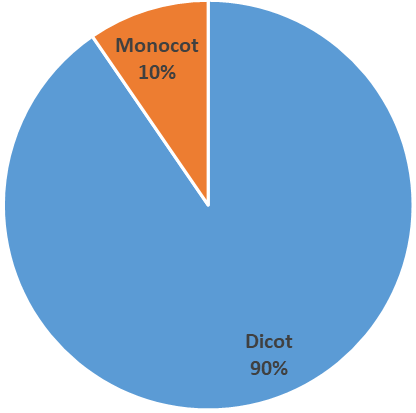
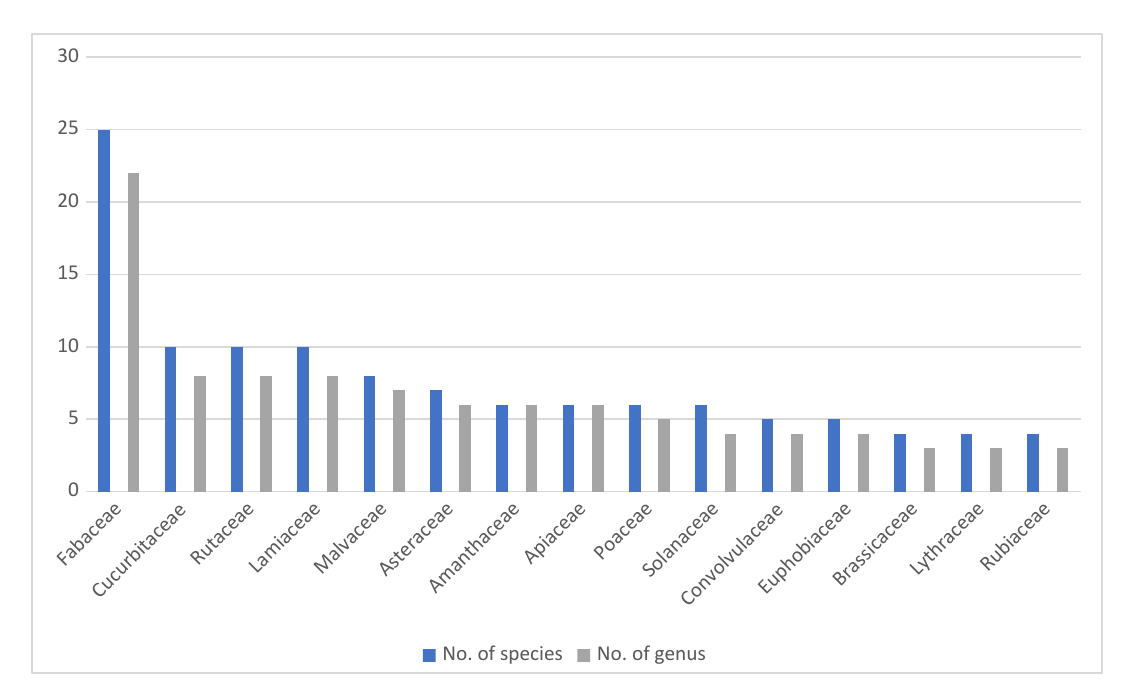
Anti-obesity activities are observed in 188 medicinal plant species from 157 genera and 62 families (Table 1). Among these, only 18 species, representing 10% of the total, are monocotyledons, while the remainder are dicotyledons (Figure 1). A significant increase in the number of Bangladeshi medicinal plant species used to treat obesity is reported here compared to the previous figure, which is only 23 [18]. Some of these species have extensive global use for anti-obesity management; for example, Carica papaya, Zingiber officinale, Hibiscus sabdariffa, Foeniculum vulgare, Zea mays, Bauhinia variegata, Citrus medica, etc. [14]. Fabaceae (syn. Leguminosae) is the largest family with 25 species, followed by Cucurbitaceae (11 species) and Lamiaceae and Rutaceae (10 species each) (Figure 2). Citrus is the largest genus with seven species, followed by Piper and Solanum, each with three. The numerous reports from the Fabaceae family may be attributed to its vast number of species (https://powo.science.kew.org/), making it more likely to be used in Bangladesh and globally than other families with fewer species. Aumeeruddy and Mahomoodally [14] recorded 451 plant species from 110 families and 329 genera traditionally utilised to treat obesity.
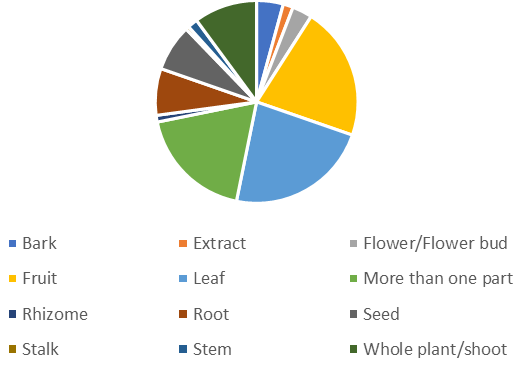
Among the plant parts used, leaves are the most common (n = 43; 23.0% of the total), followed by fruits (n = 40; 21.0%) and multiple parts (n = 35; 19.0%) (Figure 3). The biological potency and bioactive substances of various plant sections vary, which must be emphasised. For example, different parts of one of the most common medicinal plants, Boerhavia diffusa, are used for managing different diseases—roots serve as a laxative and for the management of inflammation and urinary illnesses; seeds and petals function as contraceptives; leaves lower blood glucose levels by increasing insulin release from pancreatic cells, etc. [23]. The abundance of active ingredients in leaves may explain their widespread use. Leaf harvesting is a sustainable practice due to its rich and easily collected active constituents. Underground harvesting, such as that of roots, can lead to plant death and threaten the survival of rare and slow-replicating plants, making leaves a more sustainable alternative to traditional harvesting methods [24].
Plant secondary metabolites, including acids, alkaloids, terpenoids, saponins, glycosides, tannins, carboxylic acids, (poly)phenols, and flavonoids, can serve as effective interventions in a complex systems approach to obesity [25]. Phytochemicals found in plants are known to exhibit anti-obesity effects, including phenolic acids, curcuminoids, flavonols, flavones, flavan-3-ol, isoflavonoids, lignans, phytosterols, anthocyanins, and alkaloids [5]. Natural remedies derived from medicinal plants function as anti-obesogenic agents through various mechanisms, including metabolic and thermogenic stimulants, appetite regulators, pancreatic lipase, and amylase inhibitors—improving insulin sensitivity, inducing hypoglycaemia, inhibiting adipogenesis, and promoting adipocyte apoptosis [7], along with weight loss effects. Hasani-Ranjbar et al. [10] reported that the anti-obesity mechanisms of herbal plants can be broadly categorised into four types: decreased lipid absorption, reduced energy intake, increased energy expenditure, and decreased pre-adipocyte differentiation and proliferation. For instance, Camellia sinensis, Morinda citrifolia, Momordica charantia, Centella asiatica, and other species exhibit anti-obesity potential through inhibitory effects on pancreatic lipase (PL) and/or lipoprotein lipase (LPL) activities [3]. Moreover, in obese rat models, the combination of these plants effectively reduced body weight and food intake compared to individual species, enhancing thermogenesis, antioxidative effects and inhibiting adipocyte proliferation [3]. The anti-obesity effects were attributed to the inhibition of carbohydrate and lipid absorption from the small intestine by certain medicinal plants such as Hibiscus sabdariffa, Perilla frutescens, Momordica charantia, Centella asiatica, and others.
Bangladeshi medicinal plants are natural sources of anti-obesogenic substances, including alkaloids, polyphenols, terpenes, and saponins (Table 1). Hossain et al. [26] discussed the advancements in our knowledge of the anti-obesity potential of natural flavonoids and their molecular mechanisms for preventing and/or treating obesity. Some effects have been assessed at a molecular level, particularly those related to adipogenesis and the functions and homeostasis of adipose tissue cells. Anti-obesity compounds target lipase inhibition, regulation of adipogenesis, thermogenesis, and appetite suppression, with molecular effects focusing on adipogenesis and adipose tissue cell functions and homeostasis [6]. Polyphenols exhibited increased levels of adipohormones regulating hunger and satiety, anorexigenic hormones, and decreased levels of ghrelin, suggesting that AMP-activated protein kinase may regulate energy homeostasis, daily energy expenditure, and lipid metabolism. Alkaloids, like polyphenols, have been found to possess anti-obesogenic properties due to their structure, which facilitates interaction with molecules and receptors, particularly those of the nervous system [6]. Saponins, known for their anti-obesogenic effects, inhibit lipid digestion and absorption at the intestinal level. Two saponins, saikosaponin A and saikosaponin D, were isolated and evaluated on adipocytes. Results showed that these saponins suppress adipogenic genes, viz. CCAAT/enhancer-binding protein alpha (C/EBP\(\alpha\)), peroxisome proliferator-activated receptor gamma (PPAR\(\gamma\)), sterol regulatory element-binding protein-1c (SREBP- 1c), and adiponectin, and downregulate lipogenic genes, such as fatty acid-binding protein (FABP 4), fatty acid synthase (FAS), and lipoprotein lipase (LPL), preventing obesity development in key organs like adipose and hepatic tissues [6]. Terpenes from plants modulate lipid metabolism receptors such as PPARs and LXRs (liver X receptors), which are crucial in adipogenesis and cholesterol metabolism. PPARs express AP 2, adiponectin, FABP 4, glucose transporter type 4 (GLUT 4), LPL, and phosphoenolpyruvate carboxykinase (PEPCK), while LXRs regulate ATP-binding cassette transporters and cholesterol transport and elimination.
A. Anti-Obesity Therapeutic Plant Genetic Resources Conservation at Bangladesh Agricultural University Botanical Garden (24°43’27.9″N, 90°26’28.2″E)
The Bangladesh Agricultural University (BAU) campus has become a conservatory of agricultural and forest plant genetic resources, collected from home and abroad, along with the BAU Botanical Garden, hereafter referred to as the garden, and BAU Germplasm Centre [28]. The garden was established in 1963 to collect and conserve the country’s and surrounding areas’ plant genetic resources, as well as their multiplication and relocation in natural habitats. It has become a unique hub for plant conservation, education, scientific research, and knowledge about plant biodiversity on a national and regional scale [29]. Approximately 1800 plant species (including Pteridophytes, Gymnosperms, and Angiosperms), both native and foreign, can be found here [30], conserving more than 20% of the total flora (Spermatophyte) of Bangladesh [15], [31]. Plant collections in botanical gardens aid in ex-situ conservation of threatened species and habitat restoration and are the focus of research on population genetics, climate change responses, pest and disease susceptibility, and plant adaptive capacity [32]. Thus, the garden plays a vital role in preserving and investigating ex-situ preservation and investigation of the world’s plant biodiversity. In terms of species collection, the garden is the country’s second-largest and oldest botanical garden after the National Botanical Garden (Mirpur, Dhaka; established in 1961). Botanical gardens focus on plant study, conservation, and public awareness of plant species diversity while serving human needs and promoting well-being [33]. Among Bangladeshi plants with anti-obesity potentials, 110 species are conserved in the garden, and more than 50 species are cultivated in different farms and homestead gardens at the BAU campus. Twenty species, viz. Mangifera indica, Annona squamosa, Areca catechu, Aloe vera, Cosmos bipinnatus, Helianthus annuus, Stevia rebaudiana, Ananas comosus, Ipomoea batatas, Merremia hirta, Mentha arvensis, Punica granatum, Moringa oleifera, Psidium guajava, Cymbopogon citratus, Ziziphus jujuba, Aegle marmelos, Citrus limon, C. aurantiifolia and C. sinensis, were dual conservation, i.e., conserved in the garden and cultivated as field/horticultural crops and ornamentals (Table 1). We should take the initiative to collect other species with anti-obesity potentials for conservation purposes and ensure proper maintenance of plant species at the BAU campus. Replicating collections across institutions is crucial as a backup measure in case of loss due to attrition, closure, pests, disease outbreaks, natural disasters, or theft [32].
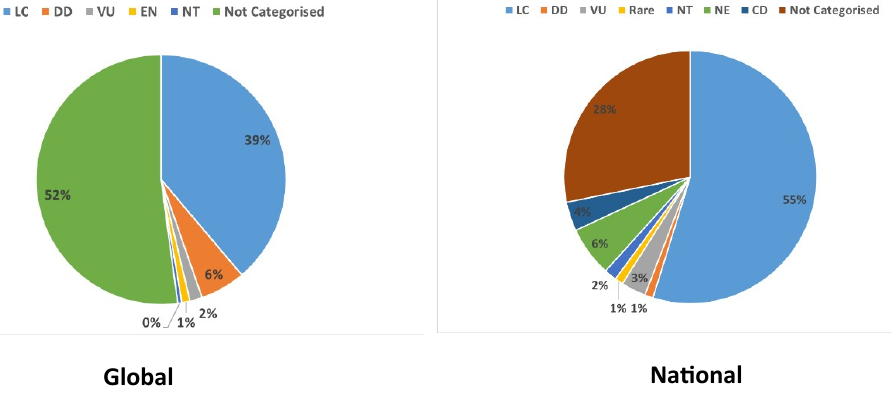
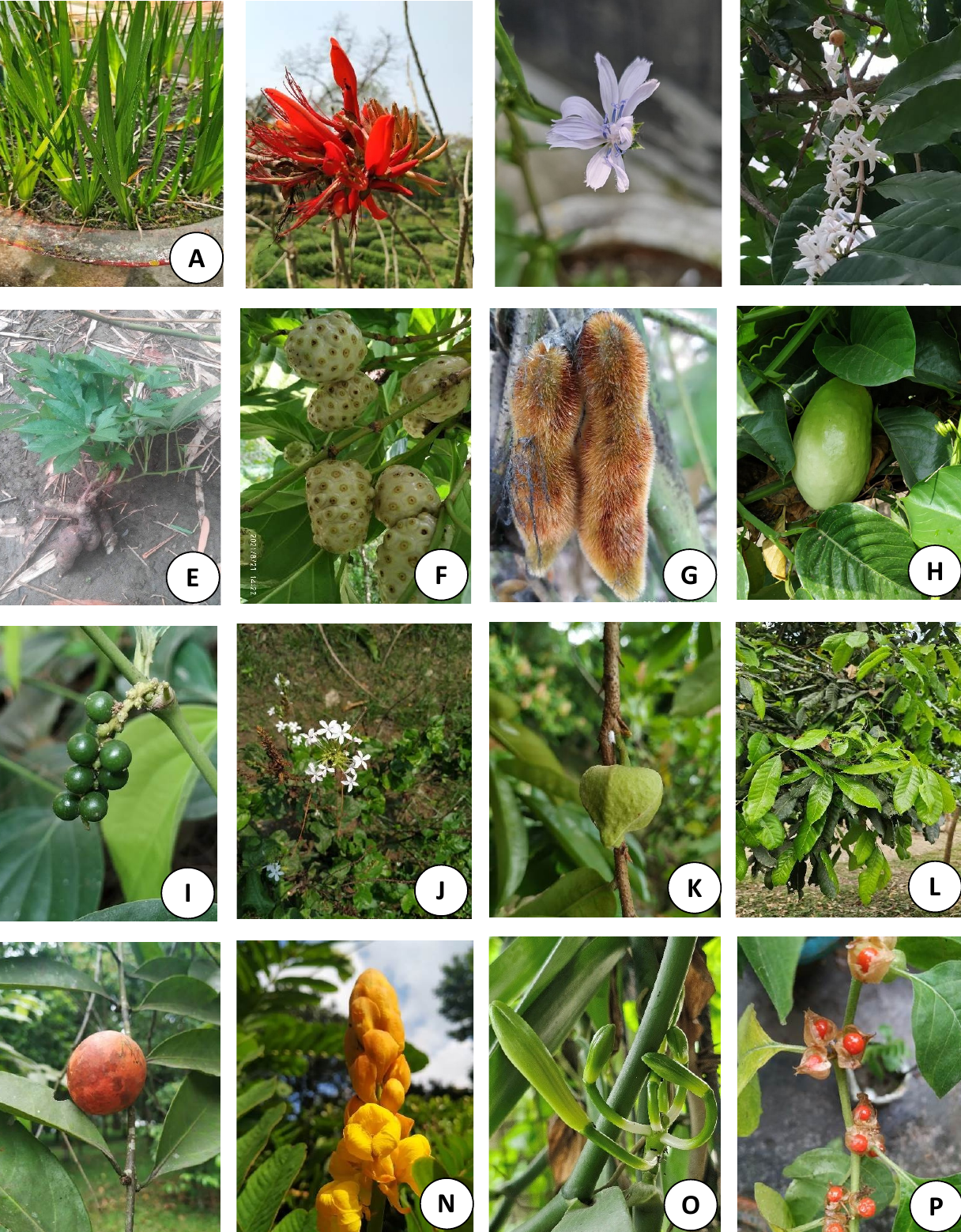
According to the IUCN Red List of Threatened Species, the current status of these species is globally categorised as data deficient (DD) for 11 species, least concern (LC) for 73 species, near threatened (NT) for 1 species, vulnerable (VU) for 3 species, endangered (EN) for 2 species, and for 98 species, an assessment has not yet been conducted, or information is unavailable (Table 1). Even rare plants often face exclusion from assessment or classification as “Data Deficient” due to insufficient information on species distributions, population decline rates, and threats. Moreover, the status of some species can differ from the global status when these species are assessed locally. For example, Acorus calamus and Terminalia chebula are assessed as globally LC but as VU at the national level in Bangladesh. In contrast, Cinnamomum verum was assessed as VU globally but as LC at the national level (Table 1; [21], [22]). A brief comparative assessment of anti-obesity plant species is presented in Figure 4, along with photographs of some threatened species preserved at the garden in Figure 5. Conservation dependent (CD), an additional status, was used in the national assessment. This category was part of the IUCN 1994 Categories & Criteria (version 2.3), which is no longer used in the evaluation of taxa.
Botanical gardens frequently engage in a wide range of scientific endeavours, including public education, restoration ecology, taxonomy, systematics, genetics, horticulture, seed science, propagation, conservation, and more [33]. Currently, the garden has conserved 527 medicinal and aromatic plant species from 101 families used in traditional medicine to treat various illnesses, and this number is constantly growing [16]. Other notable collections include minor fruits (108 species), hydrophytes (70 species), orchids (35 species), cacti and succulents (175 species), gymnosperms (13 species), palms (42 species), Ficus (24 species), pteridophytes (24 species), mangroves (18 species), bamboos (17 species), and others [28], [30], [34]–[36]. Approximately 100,000 visitors, including students, researchers, forest officials, international visitors, and others, visit the garden each year for recreation, plant identification/studies, expert consultation, and more. Gardens provide urban green spaces that may be the only access to plants and nature for many people [32]. Based on this garden collection, several academic research studies (leading to MS or PhD), such as [37]–[40] and others, have been conducted, and popular newspaper articles and YouTube videos have been published. Recently, a herbarium was established on the garden premises (Prof. Arshad Ali Herbarium, named after the first garden curator) to enhance taxonomic research activities; approximately 5,000 dried plant samples are housed here. The plants conserved in the garden provide food and shelter for birds, lizards, insects, herbivores, and others, playing an important role in achieving sustainable development goals (SDGs). Plant conservation actions by botanical gardens have close links to SDG 15, with clear connections to Life on Land and goals to end poverty, hunger, and ensure good health (SDGs 1, 2, and 3), as well as those focusing on clean water, renewable energy, sustainable cities, responsible consumption, and climate action (SDGs 6, 7, 11, 12, and 13) (https://www.bgci.org/).
IV. Conclusion and Future Perspectives
Bangladeshi medicinal plants demonstrate great potential for treating obesity. The garden plays a vital role in conserving plant genetic resources, conducting research, and promoting citizen science education. The rising global prevalence of obesity, along with its financial burden and fatalities, highlights the urgent need for improved herbal treatments and preventive strategies. Future research should focus on understanding preparation methods, treatment dosages, frequency, duration, and side effects of traditional (herbal) anti-obesity medicines. The pharmaceutical industry needs anti-obesity drugs that are more effective and have fewer side effects. Additional clinical, in vivo, and in vitro studies should aim to identify safe and potent extracts and bioactive compounds from traditional medicinal plants.
Acknowledgements
The present and previous Curators, who have enriched the collection and curated the plant genetic resources of this botanical garden, are thankfully acknowledged.
Ethics statement
This study did not involve human participants, animals, or the collection or processing of personal or sensitive data. The research was based exclusively on publicly available digital artifacts. Therefore, ethical approval and informed consent were not required.
Consent for publication
Not applicable.
Competing interests
The authors declare no competing interests.
Funding
There is no specific funding to support this research.
Data Availability
No original datasets were generated or analyzed in this study. The research is based exclusively on a systematic review and qualitative analysis of publicly available scientific literature and published sources. The sources reviewed are accessible through their respective publishers and academic databases.
| Sl. No. | Bangla/Common name | Scientific name | Family | Parts used | Conservation status | Active constituents | Reference |
|---|---|---|---|---|---|---|---|
| 1 | Kalmegh | Andrographis paniculata (Burm.f.) Wall. ex Nees* | Acanthaceae | Leaf | (LC) | Diterpenoids | [41] |
| 2 | Calamas/Botch | Acorus calamus L.* | Acoraceae (M) | Rhizome, Leaf, root | LC (VU) | Asarone | [42] |
| 3 | Prickly chaff flower | Achyranthes aspera L.* | Amaranthaceae | Stem, Seed | (LC) | Triterpenoid saponin | [7] |
| 4 | Red Spinach** | Amaranthus tricolor L. | Amaranthaceae | Stem | (LC) | Flavonoid, Saponins, Tannins | [43] |
| 5 | Dysphania ambrosioides (L.) Mosyakin & Clemants | Amaranthaceae | Leaf | – | [14] | ||
| 6 | Botam phul | Gomphrena globosa L.* | Amaranthaceae | Flower | (LC) | – | [14] |
| 7 | Ouret lanata (L.) Kuntze | Amaranthaceae | Whole plant | – | [14] | ||
| 8 | Spinach** | Spinacia oleracea L. | Amaranthaceae | Whole plant | Cinnamic acid | [7] | |
| 9 | Onion** | Allium cepa L. | Amaryllidaceae (M) | Bulb, Peel | (LC) | Allicin | [7] |
| 10 | Garlic** | Allium sativum L. | Amaryllidaceae (M) | Bulb, Root | (LC) | Allicin | [7] |
| 11 | Mango** | Mangifera indica L.* | Anacardiaceae | Fruit, Leaf | DD (LC) | Mangiferin | [7] |
| 12 | Soursop | Annona muricata L.* | Annonaceae | Fruit, Leaf | LC (NE) | Phenols, Flavonoids, Tannins | [44] |
| 13 | Custard apple** | Annona squamosa L.* | Annonaceae | Fruit, Leaf | LC (LC) | Phenols, Flavonoids, Tannins | [44] |
| 14 | Celery | Apium graveolens L. | Apiaceae | Whole shoot | LC | Cinnamic acid | [7] |
| 15 | Spade leaf | Centella asiatica (L.) Urb.* | Apiaceae | Leaf | LC (LC) | Asiatic acid, Madecassic acid | [15] |
| 16 | Coriander** | Coriandrum sativum L. | Apiaceae | Whole shoot | (LC) | – | [14] |
| 17 | Cumin** | Cuminum cyminum L. | Apiaceae | Whole shoot | – | [5] | |
| 18 | Wild coriander | Eryngium foetidum L.* | Apiaceae | Root | (NE) | – | [14] |
| 19 | Fennel** | Foeniculum vulgare Mill. | Apiaceae | Whole shoot | LC (LC) | – | [13] |
| 20 | Anantamul/Karāla | Hemidesmus indicus (L.) R.Br.* | Apocynaceae | Extract | 2-hydroxy 4-methoxy benzoic acid | [45] | |
| 21 | Indrajau | Wrightia tinctoria (Roxb.) R.Br.* | Apocynaceae | Bark | LC | – | [14] |
| 22 | Supāri** | Areca catechu L.* | Arecaceae (M) | Fruit | LC (LC) | – | [42] |
| 23 | Gurmar | Gymnema sylvestre (Retz.) R.Br. ex Sm. | Asclepiadaceae | Leaf | Gymnemic acid | [42] | |
| 24 | Aloe vera** | Aloe vera (L.) Burm.f.* | Asphodelaceae (M) | Leaf | (LC) | Gallic acid, Quercetin | [15] |
| 25 | Safflower** | Carthamus tinctorius L. | Asteraceae | Flower, Seed | (LC) | Saffron, Crocin | [46] |
| 26 | Kasni/Chikory | Cichorium intybus L. | Asteraceae | Leaf | LC (NE) | Tanins | [47] |
| 27 | Cosmos** | Cosmos bipinnatus Cav.* | Asteraceae | Leaf | (LC) | – | [47] |
| 28 | Sunflower** | Helianthus annuus L.* | Asteraceae | Seed | LC (LC) | – | [13] |
| 29 | Lettuce** | Lactuca sativa L. | Asteraceae | Root, Leaf | (LC) | Esculin, Chlorogenic acid | |
| 30 | Mundorokha | Pluchea indica (L.) Less. | Asteraceae | Leaf | (DD) | – | [29] |
| 31 | Stevia** | Stevia rebaudiana (Bertoni) Bertoni* | Asteraceae | Shoot | Glucosides | [6] | |
| 32 | Malabar spinach | Basella alba L. | Basellaceae | Flower | (LC) | – | [14] |
| 33 | Lipstick tree | Bixa orellana L.* | Bixaceae | Seed | LC (LC) | – | [14] |
| 34 | Wild cabbage | Brassica oleracea L. | Brassicaceae | Leaf | (LC) | Cinnamic acid | [7] |
| 35 | Mustard** | Brassica rapa L. | Brassicaceae | Root | (LC) | – | [13] |
| 36 | Shepperd’s purse | Capsella bursa-pastoris (L.) Medik. | Brassicaceae | Leaf | LC (NE) | – | [14] |
| 37 | Radish** | Raphanus sativus L. | Brassicaceae | Whole plant | (LC) | – | [12] |
| 38 | Pineapple** | Ananas comosus (L.) Merr.* | Bromeliaceae (M) | Fruit | (LC) | Bromelain | [48] |
| 39 | Fonimanasa | Opuntia ficus-indica (L.) Mill.* | Cactaceae | Fruit | DD | – | [10] |
| 40 | Fonimanasa | Opuntia monacantha Haw.* | Cactaceae | Fruit | LC | – | [14] |
| 41 | Red pitaya | Selenicereus monacanthus (Lem.) D.R.Hunt | Cactaceae | Fruit | Betacyanin’s | [15] | |
| 42 | Asian lobelia | Lobelia chinensis Lour. | Campanulaceae | Whole plant | (NE) | Polysaccharides | [5] |
| 43 | Hemp | Cannabis sativa L.* | Cannabaceae | Leaf | (LC) | – | [14] |
| 44 | Papaya** | Carica papaya L. | Caricaceae | Leaf | DD (LC) | Flavonoids | [29] |
| 45 | Salacia fruticosa Wall. ex M.A.Lawson | Celastraceae | Whole plant | Mangiferin, Epicatechin | [49] | ||
| 46 | Brindleberry | Garcinia cowa var. cowa* | Clusiaceae | Fruit | LC (LC) | Hydroxycitric acid | [15] |
| 47 | Arjun | Terminalia arjuna (Roxb. ex DC.) Wight & Arn.* | Combretaceae | Bark | (VU) | – | [14] |
| 48 | Bahera | Terminalia bellirica (Gaertn.) Roxb.* | Combretaceae | Fruit | LC (LC) | – | [47] |
| 49 | Horitoki | Terminalia chebula Retz.* | Combretaceae | Fruit | LC (VU) | – | [14] |
| 50 | Sweet potato** | Ipomoea batatas (L.) Lam.* | Convolvulaceae | Leaf, Root | DD (LC) | – | [17] |
| 51 | Vuikumra kalmi | Ipomoea mauritiana Jacq.* | Convolvulaceae | Leaf | (VU) | – | [14] |
| 52 | Goat’s foot creeper | Ipomoea pes-caprae (L.) R.Br.* | Convolvulaceae | Leaf | LC (LC) | – | [14] |
| 53 | Kalmi** | Merremia hirta (L.) Merr.* | Convolvulaceae | Leaf | (LC) | Total Phenolics, Flavonoids | [50] |
| 54 | Indian Jalap | Operculina turpethum (L.) Silva Manso* | Convolvulaceae | Root | (LC) | – | [42] |
| 55 | White gourd** | Benincasa hispida (Thunb.) Cogn. | Cucurbitaceae | Fruit | (LC) | – | [25] |
| 56 | Bitter Cucumber | Citrullus colocynthis (L.) Schrad. | Cucurbitaceae | Seed | (LC) | – | [13] |
| 57 | Watermelon** | Citrullus lanatus (Thunb.) Matsum. & Nakai | Cucurbitaceae | Fruit | (LC) | – | [14] |
| 58 | lvy Gourd/Telakucha | Coccinia grandis (L.) Voigt | Cucurbitaceae | Fruit | (LC) | \(\beta\)-sitosterol | [17] |
| 59 | Musk melon/Bangi** | Cucumis melo L. | Cucurbitaceae | Fruit peel | (LC) | – | [17] |
| 60 | Cucumber** | Cucumis sativus L. | Cucurbitaceae | Fruit | (LC) | Saponin | [51] |
| 61 | Crookneck squash | Cucurbita moschata Duchesne | Cucurbitaceae | Stalk | (LC) | Terpenes | [47] |
| 62 | Bottle gourd** | Cucurbita pepo L. | Cucurbitaceae | Fruit | LC (LC) | – | [14] |
| 63 | Sweet tea vine | Gynostemma pentaphyllum (Thunb.) Makino | Cucurbitaceae | extract | Actiponin, Saponins | [20] | |
| 64 | Bottle gourd** | Lagenaria siceraria (Molina) Standl. | Cucurbitaceae | Fruit | (LC) | – | [14] |
| 65 | Bitter melon** | Momordica charantia L. | Cucurbitaceae | Fruit | (LC) | – | [42] |
| 66 | Nut Grass | Cyperus rotundus L.* | Cyperaceae (M) | Whole plant | LC (LC) | Cyperine | [42] |
| 67 | Yam | Dioscorea alata L.* | Dioscoreaceae (M) | Root | (LC) | Dioscin, Diosgenin | [24] |
| 68 | Bitter yam | Dioscorea bulbifera L.* | Dioscoreaceae (M) | Root | (LC) | Dioscin, Diosgenin | [25] |
| 69 | Sal, Gajari | Shorea robusta Gaertn.* | Dipterocarpaceae | Leaf | LC (LC) | – | [17] |
| 70 | Snake weed | Euphorbia hirta L.* | Euphobiaceae | Whole plant | (LC) | – | [14] |
| 71 | Rangchita | Euphorbia tithymaloides L. | Euphobiaceae | Leaf | LC (LC) | – | [14] |
| 72 | Verenda/Poison nut | Jatropha curcas L.* | Euphobiaceae | Leaf | LC (LC) | – | [17] |
| 73 | Dati Bura, Jhakura | Macaranga denticulata (Blume) Müll.Arg.* | Euphobiaceae | Bark | LC (LC) | – | [17] |
| 74 | Verenda | Ricinus communis L.* | Euphobiaceae | Leaf | (LC) | – | [14] |
| 75 | Shirish | Albizia lebbeck (L.) Benth.* | Fabaceae | Root | LC | – | [14] |
| 76 | Groundnut** | Arachis hypogaea L. | Fabaceae | Fruit | (LC) | Resveratrol | [7] |
| 77 | Raktokanchan | Bauhinia variegata L.* | Fabaceae | Bark, Flower | LC | – | [13] |
| 78 | Pigeon pea** | Cajanus cajan (L.) Millsp. | Fabaceae | Leaf, Seed | (LC) | – | [19] |
| 79 | Sonalu/ Bandarlathi | Cassia fistula L.* | Fabaceae | Leaf | LC | – | [14] |
| 80 | Pig’s senna | Chamaecrista absus (L.) H.S.Irwin & Barneby | Fabaceae | Seed | LC | – | [14] |
| 81 | Sensitive pea | Chamaecrista nomame (Makino) H.Ohashi | Fabaceae | Seed | – | [47] | |
| 82 | Sun hemp** | Crotalaria juncea L. | Fabaceae | Leaf | (LC) | – | [13] |
| 83 | Cluster bean | Cyamopsis tetragonoloba (L.) Taub. | Fabaceae | Stem | (CD) | Guar gum | [11] |
| 84 | Sitshal | Dalbergia latifolia Roxb. | Fabaceae | Bark | VU (NE) | \(\beta\)-sitosterol | [52] |
| 85 | North Indian rosewood | Dalbergia sissoo Roxb. ex DC.* | Fabaceae | Leaf | LC (VU) | – | [53] |
| 86 | Mandar | Erythrina suberosa Roxb.* | Fabaceae | Bark | LC (NT) | – | [14] |
| 87 | Soybean** | Glycine max (L.) Merr. | Fabaceae | Fruit | (LC) | Daidzein | [8] |
| 88 | Licorice | Glycyrrhiza glabra L.* | Fabaceae | Root | LC | Flavonoid oil | [42] |
| 89 | Horse gram | Macrotyloma uniflorum (Lam.) Verdc. | Fabaceae | Leaf, Seed | LC (LC) | – | [5] |
| 90 | Alfalfa | Medicago sativa L.* | Fabaceae | Whole plant | LC (LC) | – | [14] |
| 91 | Mimosa rubicaulis Lam. | Fabaceae | Leaf, Flower, Bark | – | [14] | ||
| 92 | Alkushi | Mucuna pruriens (L.) DC. | Fabaceae | Seed | LC (LC) | – | [14] |
| 93 | Kidney bean** | Phaseolus vulgaris L. | Fabaceae | Fruit | LC (LC) | Phytohemagglutinin | [25] |
| 94 | Dad mordon | Senna alata (L.) Roxb.* | Fabaceae | Leaf | LC | – | [14] |
| 95 | Tanner’s Cassia | Senna auriculata (L.) Roxb.* | Fabaceae | Leaf | LC | – | [14] |
| 96 | Cassia tree | Senna siamea (Lam.) H.S.Irwin & Barneby | Fabaceae | Root | LC | – | [17] |
| 97 | Sickle senna | Senna tora (L.) Roxb.* | Fabaceae | Leaf, Seed | – | [14] | |
| 98 | Tamarind | Tamarindus indica L.* | Fabaceae | Fruit, Bark, Root | LC | Tartaric acid | [17] |
| 99 | Fenugreek** | Trigonella foenum-graecum L. | Fabaceae | Stem, Leaf | (LC) | Steroidal sapogenins | [7] |
| 100 | Loha Kat/Burma Ironwood | Xylia xylocarpa (Roxb.) Taub.* | Fabaceae | Bark, Seed | LC | – | [14] |
| 101 | Glorybower | Clerodendron glandulosum L. | Lamiaceae | Leaf | – | [42] | |
| 102 | Clerodendrum phlomidis L.f.* | Lamiaceae | Root | LC | – | [14] | |
| 103 | Indian Coleus | Coleus barbatus (Andrews) Benth. ex G.Don var. barbatus* | Lamiaceae | Root | Forskolin | [7] | |
| 104 | Pudina** | Mentha arvensis L.* | Lamiaceae | Leaf | LC (LC) | – | [14] |
| 105 | Deshi pudina | Mentha spicata L.* | Lamiaceae | Leaf | LC (LC) | – | [14] |
| 106 | Sada tulsi | Ocimum basilicum L.* | Lamiaceae | Leaf | (NE) | Ursolic acid | [7] |
| 107 | Perilla** | Perilla frutescens (L.) Britton | Lamiaceae | Seed | LC (LC) | \(\alpha\)-Linolenic acid | [3] |
| 108 | Ganiari | Premna serratifolia L. | Lamiaceae | Root | LC | [54] | |
| 109 | Chia** | Salvia hispanica L. | Lamiaceae | Seed | – | [14] | |
| 110 | Nishinda | Vitex negundo L.* | Lamiaceae | Leaf | LC | – | [17] |
| 111 | Cinnamomum | Cinnamomum burmanni (Nees & T.Nees) Blume* | Lauraceae | Bark, Leaf, Root | LC | Camphor, Eugenol, Cinnamaldehyde | [7] |
| 112 | Darchini/Cinnamon | Cinnamomum verum J.Presl* | Lauraceae | Bark, Leaf, Root | VU (LC) | Camphor, Eugenol, Cinnamaldehyde | [7] |
| 113 | Avacado | Persea americana Mill.* | Lauraceae | Fruit | LC (CD) | – | [14] |
| 114 | Tishi/Linseed** | Linum usitatissimum L. | Linaceae | Seed | (LC) | – | [14] |
| 115 | Cuphea carthagenensis (Jacq.) J.F.Macbr. | Lythraceae | Leaf | – | [47] | ||
| 116 | Queen’s flower | Lagerstroemia speciosa (L.) Martyn | Lythraceae | Extract | LC (LC) | Corosolic acid | [9] |
| 117 | Mehedi | Lawsonia inermis L.* | Lythraceae | Leaf | LC (LC) | Polyphenols | [29] |
| 118 | Pomegranate/Dalim** | Punica granatum L.* | Lythraceae | Fruit, Leaf | LC | – | [14] |
| 119 | Baobab | Adansonia digitata L.* | Malvaceae | Root, Bark | (Rare) | Flavonoids, Phenolic acids, Tannins | [14] |
| 120 | Cotton tree | Bombax ceiba L.* | Malvaceae | Leaf, Bark | LC | Mangiferin | [7] |
| 121 | Silk Cotton Tree | Ceiba pentandra (L.) Gaertn.* | Malvaceae | Bark | LC | – | [14] |
| 122 | Tosha jute** | Corchorus olitorius L. | Malvaceae | Leaf | – | [5] | |
| 123 | Tamthar | Grewia villosa Willd.* | Malvaceae | Fruit | LC | – | [14] |
| 124 | China rose | Hibiscus rosa-sinesis L.* | Malvaceae | Leaf | (LC) | – | [5] |
| 125 | Roselle/Lalmesta | Hibiscus sabdariffa L.* | Malvaceae | Flower, Leaf | (NE) | Hydroxycitric acid, Anthocyanins | [9] |
| 126 | Napa | Malva parviflora L. | Malvaceae | Aerial parts | (CD) | – | [14] |
| 127 | Neem | Azadirachta indica A.Juss.* | Meliaceae | Leaf | LC (LC) | Total Phenolics, Flavonoids | [14] |
| 128 | Spanish-cedar | Cedrela odorata L. | Meliaceae | Bark | VU (NE) | – | [14] |
| 129 | Gurjo or Guduchi | Tinospora cordifolia (Willd.) Hook.f. & Thomson* | Meliaceae | Stem | (NT) | – | [14] |
| 130 | Bread fruit | Artocarpus altilis (Parkinson) Fosberg* | Moraceae | Bark | (Rare) | – | [14] |
| 131 | Tut/Mulberry | Morus alba L.* | Moraceae | Fruit, Leaf | (LC) | Quercetin, Hesperetin | [12] |
| 132 | Tut/Black Mulberry | Morus nigra L.* | Moraceae | Fruit, Leaf | DD | Quercetin, Hesperetin | [13] |
| 133 | Drumstick tree** | Moringa oleifera Lam.* | Moringaceae | Fruit, Root | LC (LC) | Fitotesrol (\(\beta\)-sitosterol) | [47] |
| 134 | Nutmeg | Myristica fragrans Houtt.* | Myristicaceae | Whole plant | DD | – | [42] |
| 135 | Viḍaṅga | Embelia ribes Burm.f. | Myrsinaceae | Fruit | (CD) | Embelin | [42] |
| 136 | Guava** | Psidium guajava L.* | Myrtaceae | Leaf | LC (LC) | – | [14] |
| 137 | Clove | Syzygium aromaticum (L.) Merr. & L.M.Perry* | Myrtaceae | Flower bud | Eugenol | [17] | |
| 138 | Jam/Java plum | Syzygium cumini (L.) Skeels* | Myrtaceae | Leaf, Seed, Root | LC (LC) | – | [14] |
| 139 | Indian lotus/Poddo | Nelumbo nucifera Gaertn.* | Nelumbonaceae | Whole shoot | DD (LC) | Phenolic compounds | [7] |
| 140 | Punarnava | Boerhavia diffusa L.* | Nyctaginaceae | Root | (LC) | Punarnavine, Boeravinone B | [23] |
| 141 | Beli | Jasminum sambac (L.) Aiton* | Oleaceae | Flower | (LC) | – | [13] |
| 142 | Kuding tea | Ligustrum robustum (Roxb.) Blume | Oleaceae | Leaf | LC (DD) | Ohenylpropanoid glycosides | [5] |
| 143 | Vanilla | Vanilla planifolia Andrews* | Orchidaceae (M) | Whole plant | EN | – | [14] |
| 144 | Opium poppy | Papaver L.* | Papaveraceae | Stem, Flower | LC (NE) | – | [14] |
| 145 | Passion fruit | Passiflora edulis Sims* | Passifloraceae | Fruit | (LC) | – | [5] |
| 146 | Giant Gandalia | Passiflora quadrangularis L. | Passifloraceae | Fruit | (NE) | – | [14] |
| 147 | Sweet leaf bush | Breynia androgyna (L.) Chakrab. & N.P.Balakr. | Phyllanthaceae | Fruit | LC | – | [42] |
| 148 | Indian gooseberry | Phyllanthus emblica L.* | Phyllanthaceae | Fruit | LC | Terpenoids | [15] |
| 149 | Pan/Betel vine | Piper betle L.* | Piperaceae | Leaf | (LC) | – | [29] |
| 150 | Long pepper | Piper longum L.* | Piperaceae | Fruit | (LC) | Piperlongumine | [9] |
| 151 | Black pepper | Piper nigrum L.* | Piperaceae | Fruit | (LC) | Piperine | [9] |
| 152 | Chitrak | Plumbago zeylanica L.* | Plumbaginaceae | Root | (NE) | – | [42] |
| 153 | Oat** | Avena sativa L. | Poaceae (M) | Seed | (CD) | \(\beta\)-glucan | [13] |
| 154 | Dedhaan | Coix lacryma-jobi L.* | Poaceae (M) | Seed | (LC) | – | [47] |
| 155 | Lemon grass** | Cymbopogon citratus (DC.) Stapf* | Poaceae (M) | Leaf | (CD) | – | [14] |
| 156 | Durba ghass | Cynodon dactylon (L.) Pers.* | Poaceae (M) | Whole plant | (LC) | – | [19] |
| 157 | Shama grass | Echinochloa crus-galli (L.) P.Beauv.* | Poaceae (M) | Seed | LC (LC) | – | [13] |
| 158 | Maize** | Zea mays L. | Poaceae (M) | Leaf, Style | LC (CD) | – | [14] |
| 159 | Water-pepper | Persicaria hydropiper (L.) Delarbre* | Polygonaceae | Leaf | LC (LC) | Flavonoids | [47] |
| 160 | Fennel** | Nigella sativa L. | Ranunculaceae | Fruit, Leaf | (LC) | Polyphenols | [11] |
| 161 | Jujube/Boroi** | Ziziphus jujuba Mill.* | Rhamnaceae | Leaf, Fruit, Root | LC (LC) | – | [14] |
| 162 | Mountain pomegranate | Catunaregam spinosa (Thunb.) Tirveng. | Rubiaceae | Whole plant | LC (LC) | Flavonoids, Alkaloids, Tannins | [14] |
| 163 | Coffea | Coffea arabica L.* | Rubiaceae | Seed extract | EN (NE) | Caffeine | [7] |
| 164 | Papra | Gardenia latifolia Aiton* | Rubiaceae | Leaf | LC (VU) | – | [14] |
| 165 | Noni | Morinda citrifolia L.* | Rubiaceae | Fruit, Leaf | LC (LC) | Catechin | [8] |
| 166 | Bel** | Aegle marmelos (L.) Corrˆea* | Rutaceae | Unripe fruit, Leaf | NT (LC) | Umbelliferone, Esculetin | [14] |
| 167 | Kagagilebu/Lime** | Citrus aurantiifolia (Christm.) Swingle* | Rutaceae | Fruit | (LC) | Essential oils | [13] |
| 168 | Pumelo | Citrus aurantium L. | Rutaceae | Fruit | (LC) | Sinefrin, Oktopamine | [11] |
| 169 | Lemon** | Citrus limon (L.) Osbeck* | Rutaceae | Fruit | (LC) | Polyphenols | [17] |
| 170 | Pomelo | Citrus maxima (Burm.) Merr.* | Rutaceae | Leaf, Fruit peel | LC (LC) | Hesperidin | [47] |
| 171 | Citron | Citrus medica L. | Rutaceae | Fruit | LC (LC) | – | [14] |
| 172 | Marsh/Grapefruit | Citrus paradisi Macfad. | Rutaceae | Fruit | – | [14] | |
| 173 | Malta** | Citrus sinensis (L.) Osbeck* | Rutaceae | Fruit | – | [14] | |
| 174 | Chhoto Kamini | Murraya koenigii (L.) Spreng.* | Rutaceae | Leaf | LC (LC) | – | [14] |
| 175 | Gaira/Tejovati | Zanthoxylum armatum DC. | Rutaceae | Seed | LC | – | [14] |
| 176 | Ashphal, Katlitchu | Dimocarpus longan Lour.* | Sapindaceae | Fruit | DD (NT) | Polysaccharides | [55] |
| 177 | Green peper** | Capsicum spp. | Solanaceae | Fruit | LC (LC) | Capsaicin, Capsaicinoids | [7] |
| 178 | Tobacco** | Nicotiana tabacum L. | Solanaceae | Leaf | (LC) | – | [14] |
| 179 | Tomato** | Solanum lycopersicum L. | Solanaceae | Fruit | (LC) | Tomatine | [17] |
| 180 | Brinjal** | Solanum melongena L. | Solanaceae | Fruits | (LC) | Flavonoids | [45] |
| 181 | Kata Begun | Solanum nigrum L.* | Solanaceae | Whole plant | (NE) | – | [14] |
| 182 | Ashvagandhā | Withania somnifera (L.) Dunal* | Solanaceae | Leaf, Root | DD (CD) | Withaferin A | [42] |
| 183 | Tea | Camellia sinensis (L.) Kuntze* | Theaceae | Leaf | DD (LC) | Catechins, Cinnamic acid | [7] |
| 184 | Agnimanthā | Clerodendrum multiflorum (Burm. f.) Kuntze* | Verbenaceae | Stem, Leaf | (LC) | – | [42] |
| 185 | Harjora/Veld Grape | Cissus quadrangularis L.* | Vitaceae | Fruit | (LC) | CQR-300 | [45] |
| 186 | Grapevine | Vitis vinifera L.* | Vitaceae | Fruit/Seed | LC | Total Phenolics, Flavonoids | [42] |
| 187 | Turmeric** | Curcuma longa L. | Zingiberaceae (M) | Root | DD (LC) | Curcumin | [7] |
| 188 | Ginger** | Zingiber officinale Roscoe | Zingiberaceae (M) | Rhizome | DD (LC) | Gingerols | [42] |
* Conserved at BAU Botanical Garden; ** Cultivated on BAU campus; (M) Monocotyledons